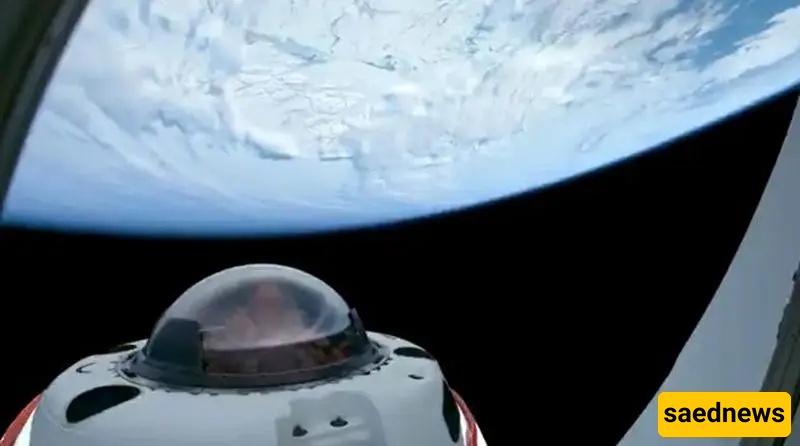
SAEDNEWS: The year 2025 saw unprecedented achievements in spaceflight. From the successful landing of a private spacecraft on the Moon and a full test flight of Starship to record-breaking spacewalks and the first astronaut flights over the poles, this year marked a historic leap in space exploration.

According to Saed News’ science desk, spaceflights remain a vital and inseparable part of space exploration. The year 2025 hosted numerous missions, and this report highlights 10 of the most notable.
Breaking New Ground on the Moon
On March 2, Firefly Aerospace’s robotic spacecraft Blue Ghost successfully landed on the Moon. Remaining operational for about two weeks, it allowed its scientific instruments to complete their planned tasks. This achievement marked a historic first for private industry in space exploration. Previously, Houston-based Intuitive Machines landed its Odysseus lunar probe in February 2024, but it quickly toppled, shortening its mission. The company’s second probe, Athena, met a similar fate shortly after landing on March 6, 2025.
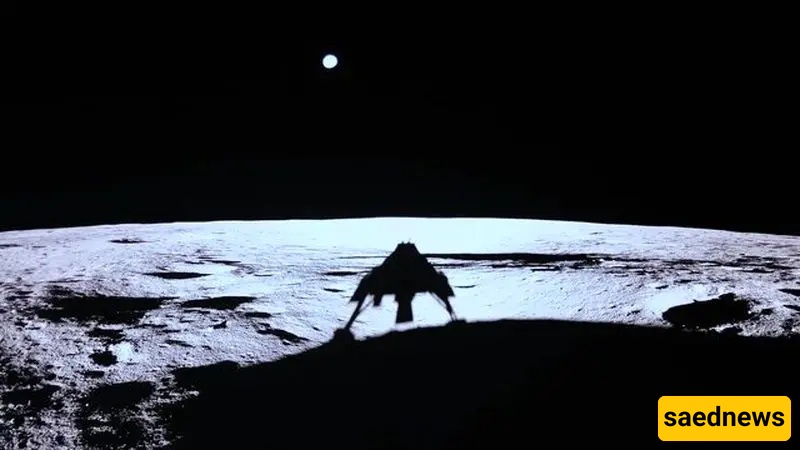
Blue Ghost’s success was also a victory for NASA, which had booked these missions through its Commercial Lunar Payload Services (CLPS) program. More CLPS missions by Firefly Aerospace, Intuitive Machines, Astrobotic, and others are scheduled to launch, paving the way for further lunar research, human exploration, and possibly future settlements.
Two Successful Starship Test Flights
SpaceX’s massive Starship, a fully reusable vehicle, conducted five test flights in 2025. While the first three medium-range flights lost at least one of the two stages, the August and October launches were unqualified successes. Both missions saw the Super Heavy booster return safely to the Gulf of Mexico, while the upper stage reached orbit, deployed Starlink prototype satellites, and landed as planned in the Indian Ocean.
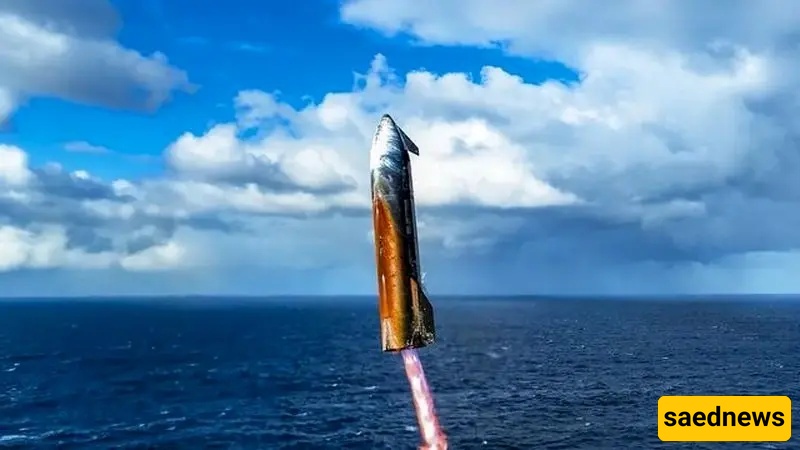
As the largest and most powerful rocket ever built, Starship still has milestones to achieve, including orbital refueling for its upper stage—critical for Moon and Mars missions—but it enters 2026 with significant momentum.
New Glenn Takes Flight
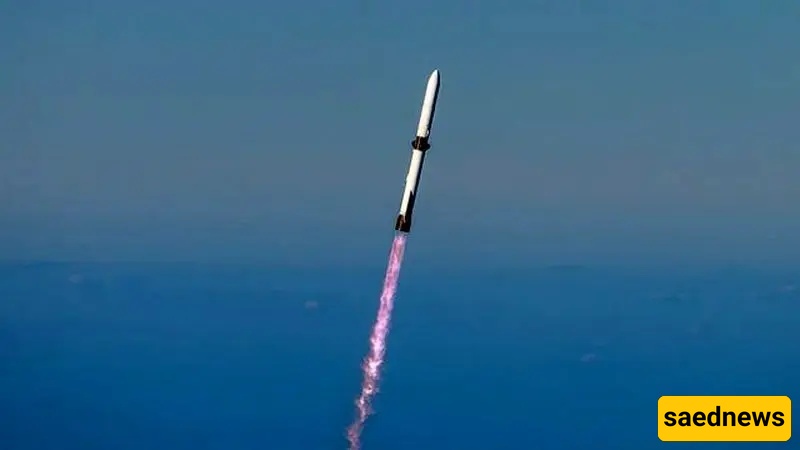
Blue Origin’s heavy-lift New Glenn rocket, partially reusable, reached orbit on January 16 with a test payload from its Blue Ring spacecraft. While the first booster landing attempt at sea failed, a second attempt on November 13 succeeded. That same day, the rocket completed its primary mission, delivering NASA’s twin Mars probes, ESCAPADE, to their final trajectory. Each New Glenn first stage is designed for at least 25 flights, potentially enabling major future achievements if reuse matches SpaceX levels.
China’s First Reusable Rocket Launch
Chinese company Landspace developed Zhuque-3, a reusable first-stage rocket inspired by SpaceX’s Falcon 9, powered by nine engines. On December 3, it successfully reached orbit, although the first stage crashed and burned after engine failure during landing. Future missions may see Zhuque-3 or alternatives like Space Pioneer’s Tianlong-3 or CASC’s Long March 12A achieving full reusability.
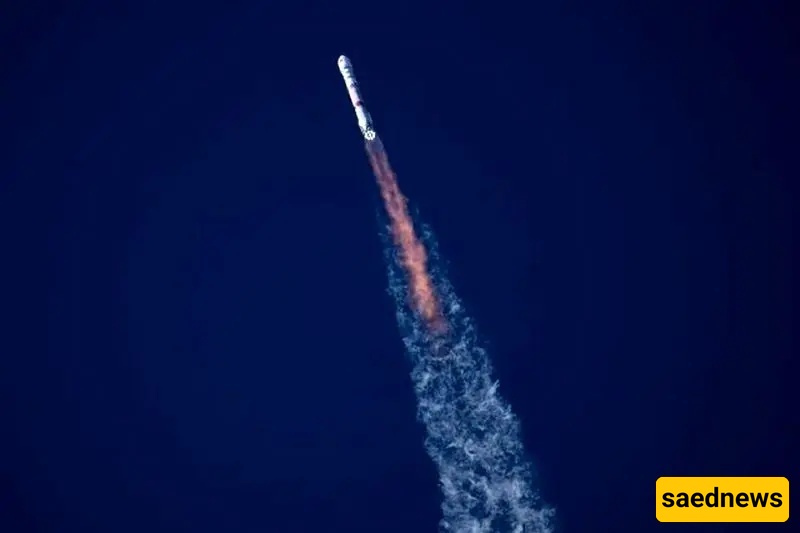
SpaceX Breaks Annual Launch Records
SpaceX set a new annual launch record in 2025 with 170 missions: 165 Falcon 9 launches and five suborbital Starship tests. Over 70% of Falcon 9 launches deployed Starlink satellites, contributing to the company’s operational constellation of over 9,000 satellites. This marks the sixth consecutive year SpaceX has set a new launch record.
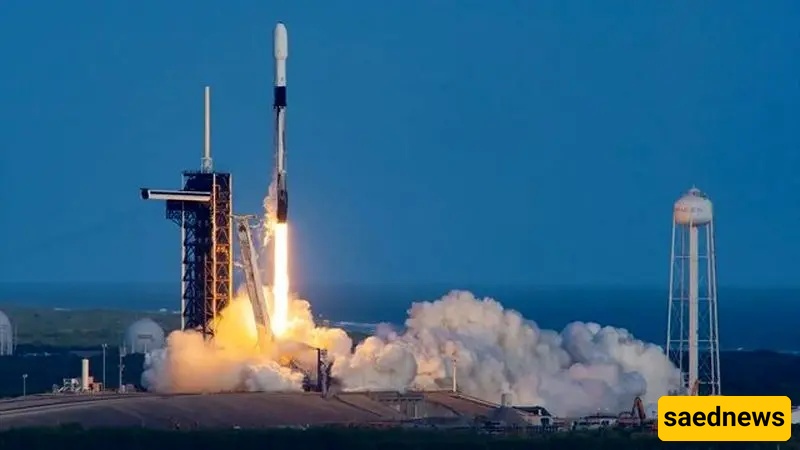
China’s Asteroid Sample Mission
China advanced boldly with its first asteroid sample mission, Tianwen 2, targeting asteroid Kamo’oalewa (2016 HO3), which may be a lunar fragment. Launched on May 28, the mission aims to return samples in 2027, providing scientists their first close look at this unusual quasi-satellite of Earth.
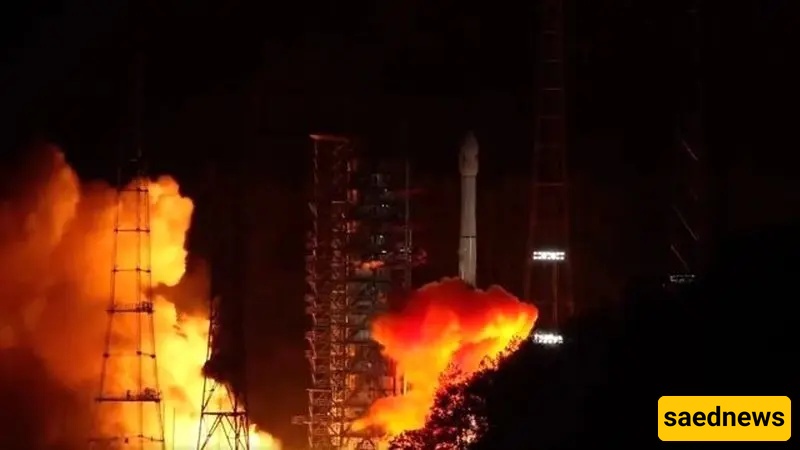
Breaking the Spacewalk Record
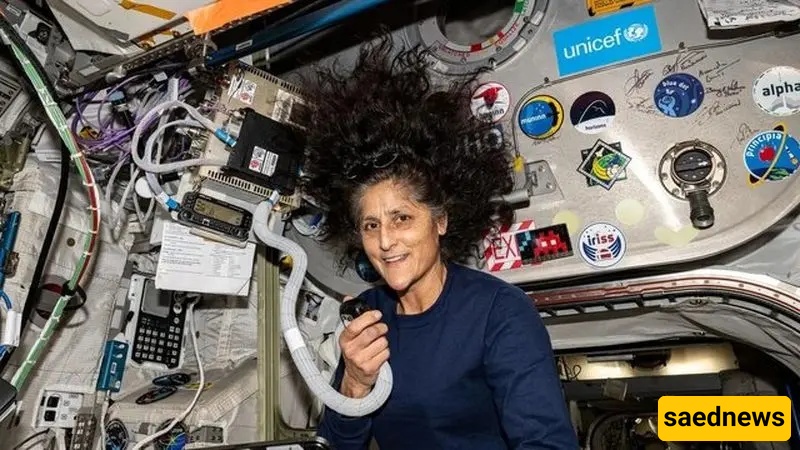
NASA astronaut Suni Williams’ extended stay aboard the ISS allowed her to set a new record for female spacewalk time. Alongside astronaut Butch Wilmore, she conducted nine extravehicular activities, totaling 62 hours and 6 minutes, surpassing Peggy Whitson’s previous record. Williams has spent 608 days in space to date.
Europe Creates Its First Artificial Eclipse
ESA’s Proba-3 mission, launched in December 2024, successfully generated an artificial solar eclipse on May 23, 2025. By precisely flying two satellites in tandem, one blocked the Sun for the other, enabling unprecedented studies of the Sun’s corona.

India Achieves Its First Space Docking
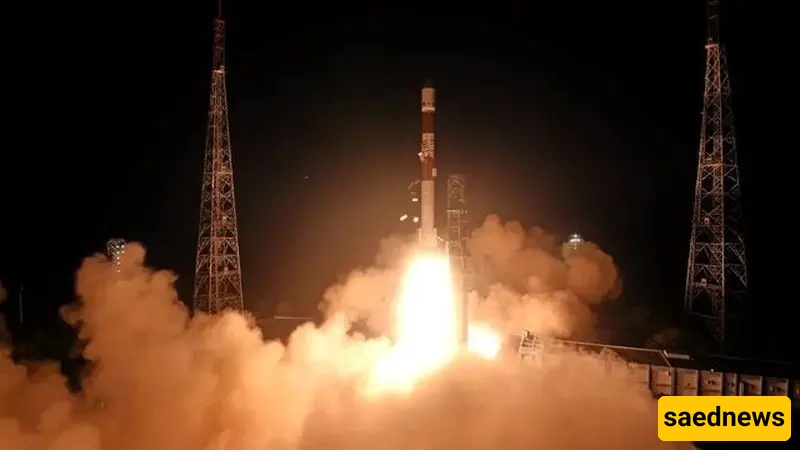
On January 15, 2025, India’s SpaDex spacecraft successfully docked in orbit, making India the fourth country—after the USSR, the USA, and China—to achieve space docking. Mastery of docking technology is critical for future milestones like space station construction and lunar sample return missions.
First Polar-Orbit Crewed Flight
On March 31, SpaceX launched the private Fram2 mission, sending four astronauts on a 3.5-day journey in a Dragon capsule over Earth’s poles—a first in human spaceflight. The crew, led by mission financier Chun Wang, conducted dozens of scientific experiments and shared unique views of Earth’s polar regions.