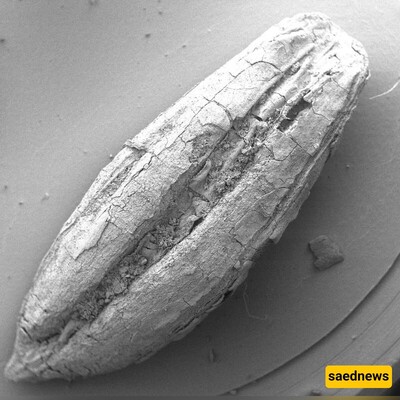
SAEDNEWS: Archaeologists have recently discovered massive fortifications in northwestern Saudi Arabia, in a region known as Khaybar, dating back about 4,000 years. The findings indicate that the Khaybar oasis was once entirely enclosed by a monumental wall during that period.
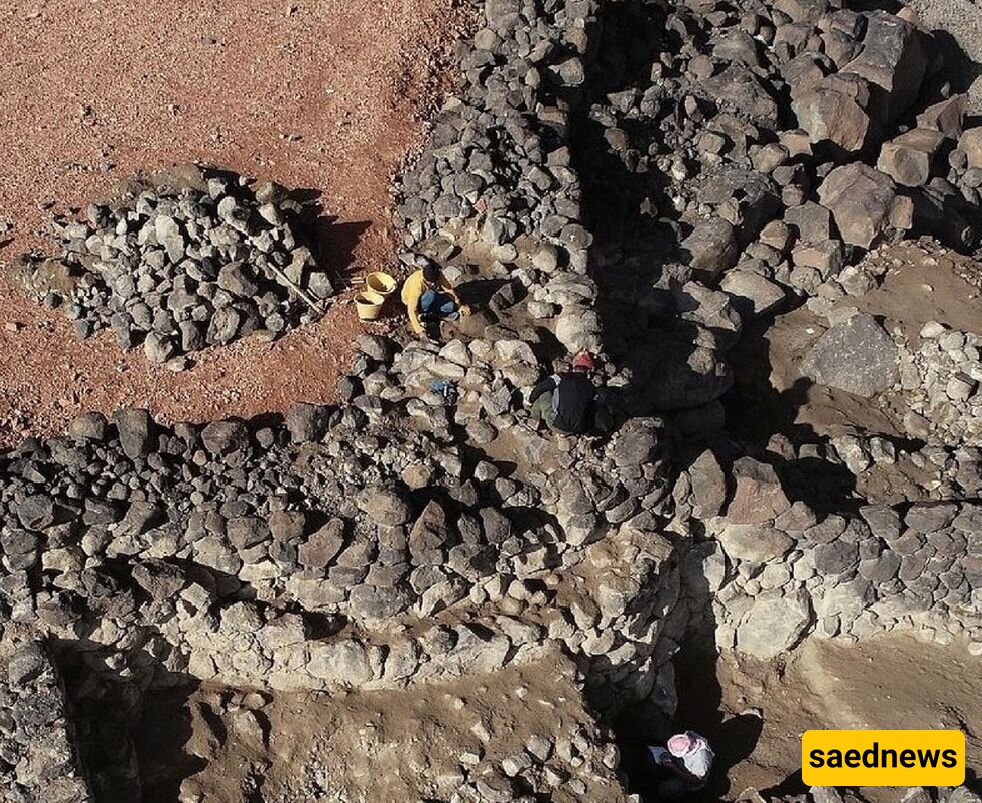
Archaeologists have uncovered remains of massive fortifications surrounding the Khaybar Oasis in northwestern Saudi Arabia, shedding new light on human settlement in the region nearly 4,000 years ago. The discovery was made by a joint team from France’s National Center for Scientific Research (CNRS) and the Royal Commission for AlUla.
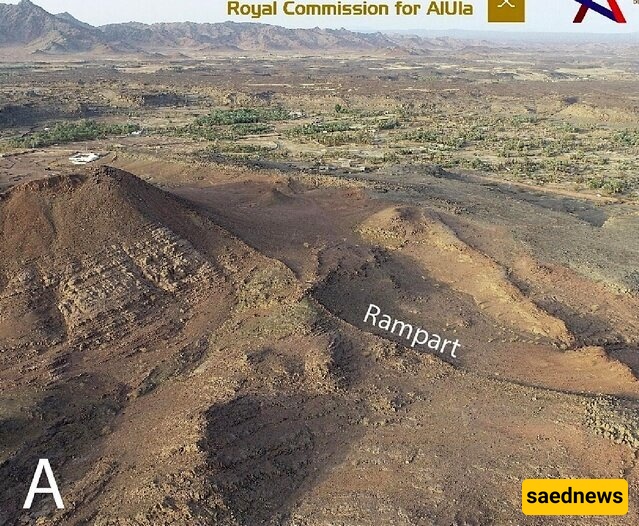
During the third and fourth millennia BCE, non-migratory populations established permanent settlements in the oases of northern Arabia. While some walled Bronze Age oases had been previously documented, the newly discovered Khaybar fortifications—among the longest known from this period—offer unprecedented insight into the social and economic organization of ancient desert communities.
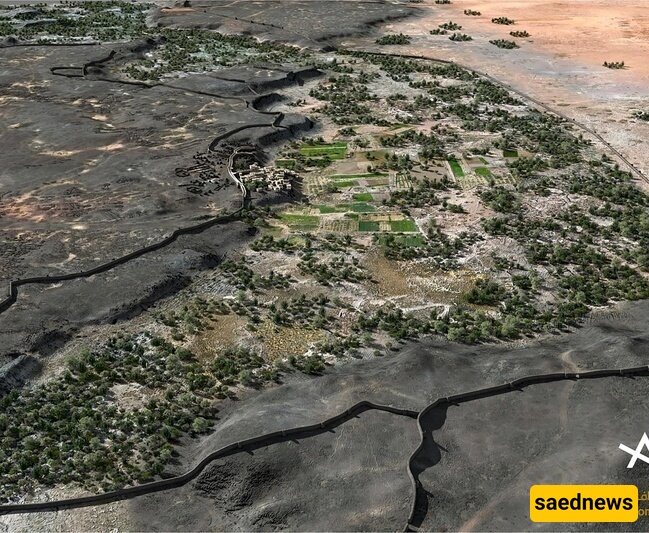
The remains reveal a monumental wall encircling Khaybar Oasis, one of Saudi Arabia’s two largest oases alongside Tayma. Archaeologists studying the wall’s architecture and layout hope to learn more about ancient social structures, military strategies, and economic activities. These findings help reconstruct daily life and interactions with neighboring civilizations.
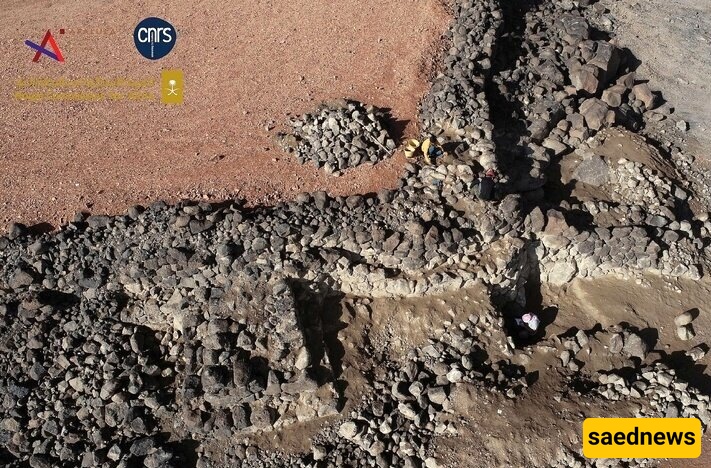
Using advanced methods such as aerial surveys and 3D scanning, the research team created detailed digital models of the walls, allowing for deeper analysis of construction techniques and architectural features. Fieldwork combined with remote sensing and architectural studies suggests the fortifications spanned 14.5 kilometers in length, ranged from 1.7 to 2.4 meters in thickness, and reached up to five meters high. Today, just under half of the original structure—5.9 kilometers and 74 watchtowers—remains. The walls enclosed a sedentary rural settlement covering roughly 1,100 hectares. Radiocarbon dating of samples collected during excavations places the construction of the walls between 2250 and 1950 BCE.
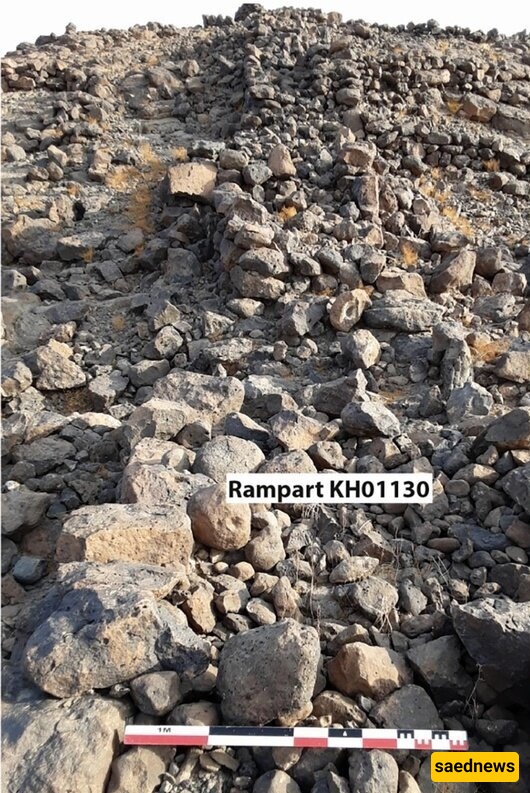
The discovery confirms that Khaybar was part of a broader network of walled oases in northwestern Arabia. However, the scale of the fortifications raises questions about why they were built and the nature of the communities that constructed them, including their interactions with populations beyond the oasis.
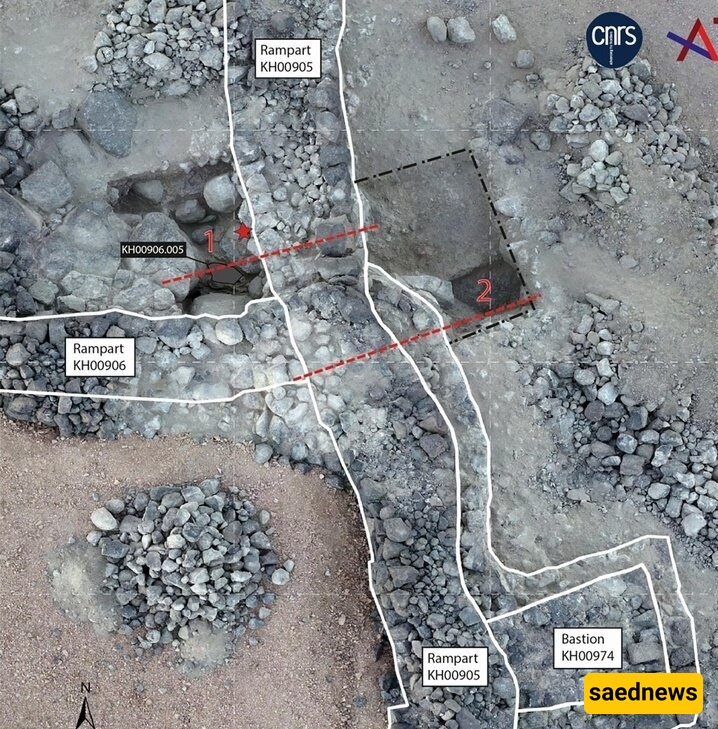
The find opens new avenues for archaeological research, including further exploration for additional sites and artifacts that could deepen our understanding of the prehistoric, pre-Islamic, and early Islamic history of northwestern Arabia.