SAEDNEWS: Traditional Iranian Physicians Emphasized Treating Postnasal Drip, Now Known as Allergy and Sinusitis

According to Saed News, Somayeh Zakeri discussed post-nasal drip and phlegm accumulation at the back of the throat, explaining that traditional Iranian medicine placed special emphasis on treating these conditions. Today, they are commonly recognized as allergies or sinusitis.
She added that, according to Hakim Arzani, one of the great physicians of traditional Iranian medicine, complications from post-nasal drip and phlegm can include eye and ear disorders, stomach pain, excessive hunger, diarrhea, gastrointestinal ulcers, lung infections, intestinal inflammation, colic, or inflammatory bowel disease.
The Iranian medicine specialist noted that post-nasal drip falling from the throat can cause disease in any organ it reaches. Depending on the quantity and thickness of the discharge, it can contribute to migraines, dizziness, epilepsy, melancholy, joint disorders, and more, making it a primary focus for traditional medicine practitioners.
Zakeri emphasized that people should avoid self-medicating with antihistamines to stop runny noses or allergies. Instead, the root treatment—strengthening digestion and brain function—should be addressed.
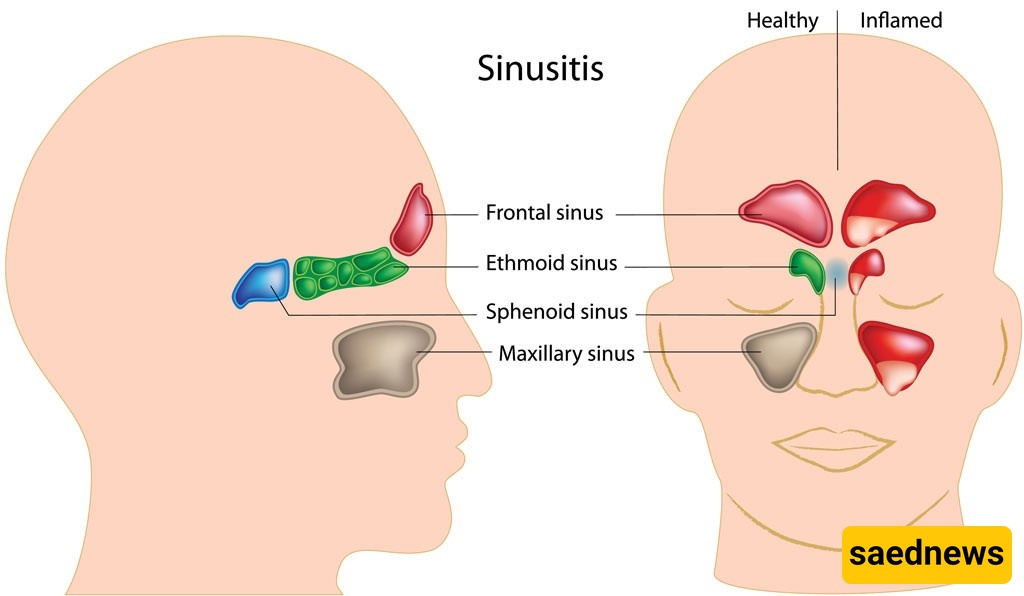
She highlighted that post-throat discharge often stems from weak stomach digestion and diminished brain strength. Some eye diseases that gradually lead to blindness, such as retinal degeneration and retinitis pigmentosa (RP), show a history of long-term post-nasal drip, which unfortunately has often gone untreated.
Zakeri also advised that people with post-nasal drip or throat phlegm should avoid citrus fruits at night, as they can worsen morning phlegm. While some believe consuming citrus during a cold helps provide vitamin C and fight infection, the moisture and cold effect of citrus can sometimes prolong or exacerbate a cold.