SAEDNEWS: Long valued for its healing properties, lemon balm contains essential minerals like zinc, iron, calcium, manganese, potassium, and phosphate, and is a key source of vitamin K.

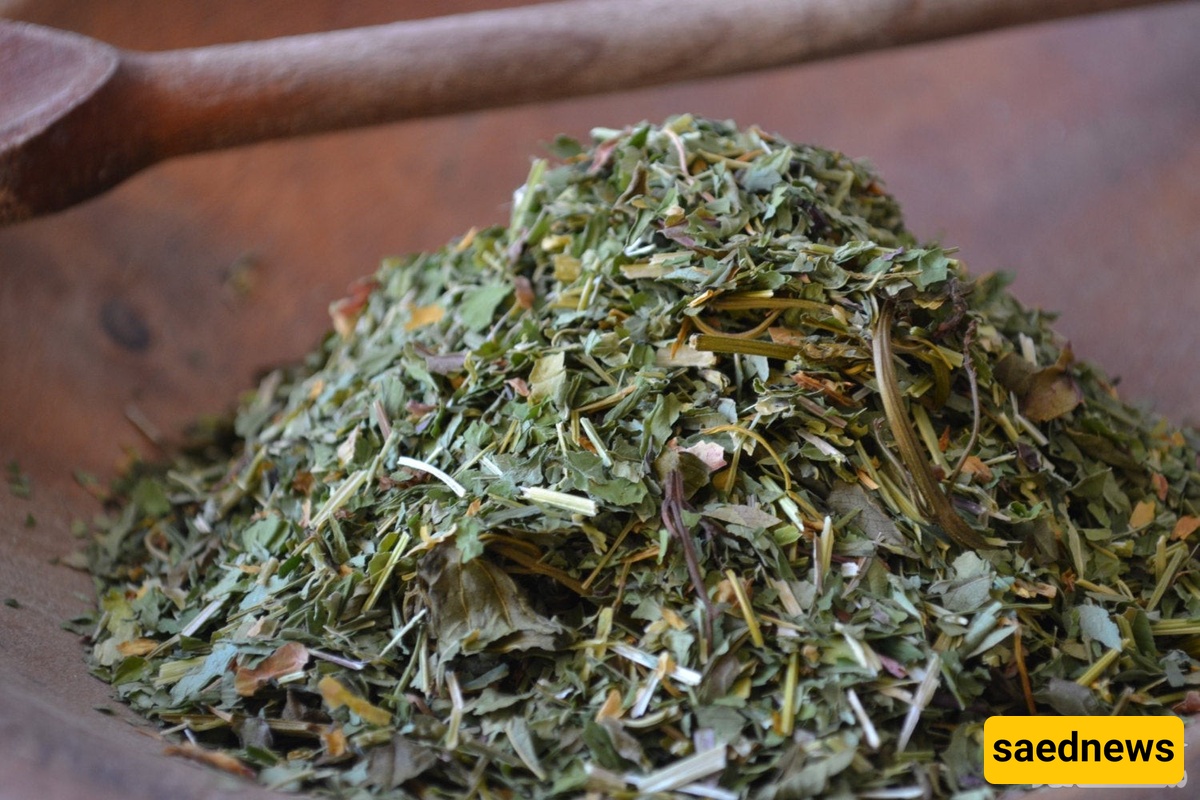
Scutellaria lateriflora, commonly known as skullcap, is a perennial herb from the mint family and a well-known medicinal plant. It is also referred to as franjamushk, afranjamshk, clove basil, leopard musk, and barnjamshk in Persian. In traditional medicine, it has been prescribed as a carminative, antispasmodic, digestive tonic, diaphoretic, and a promoter of bile secretion. Additionally, it is recommended for relieving dizziness, nausea in pregnant women, insomnia, and general weakness.
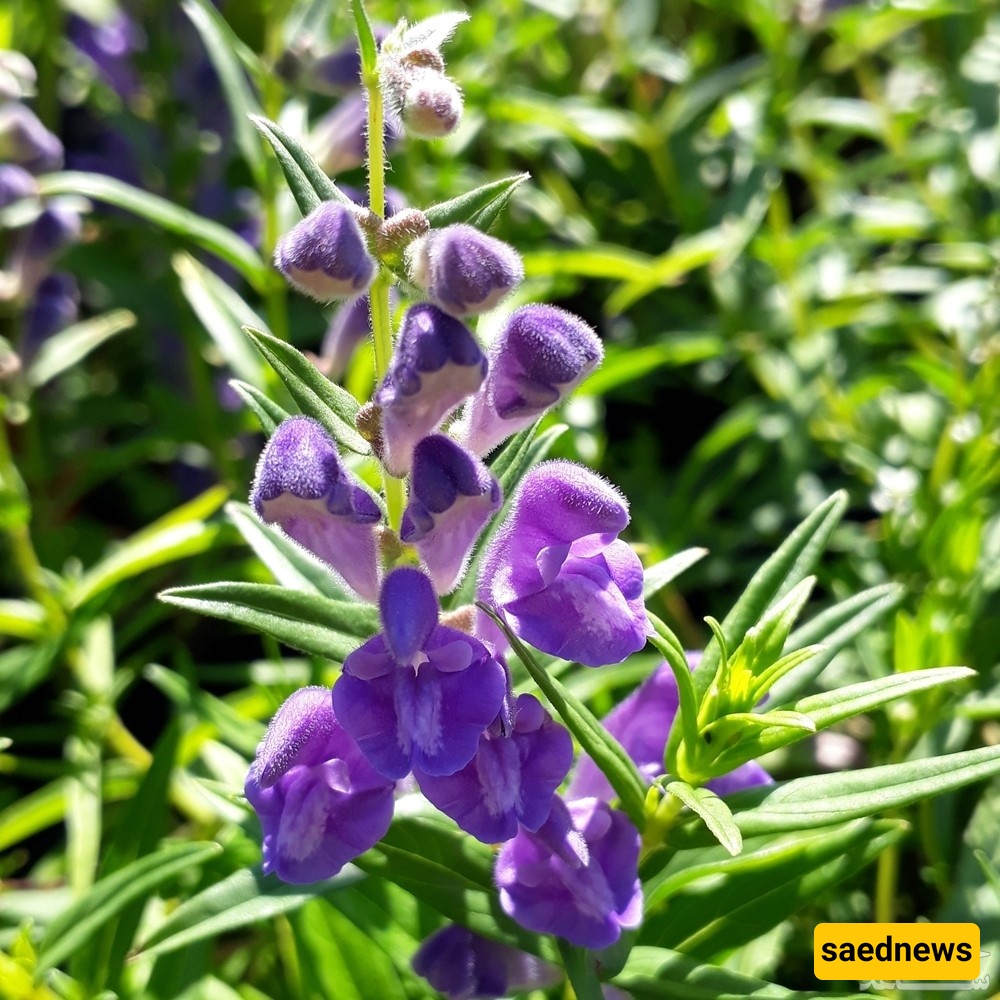
Native to Europe, skullcap is now cultivated worldwide. It is a perennial plant growing 30–120 cm tall, with curved, multi-angled, hairy, and branched stems. The plant has dense and numerous branches. Its leaves are opposite, oval to heart-shaped, and serrated. The roots are small, cylindrical, firm, and branched. Skullcap flowers are white or pinkish, grouped in clusters of 6–12 along the leaf margins, with short pedicels forming mostly unilateral whorls.
Skullcap has remarkable effects in relieving stomach pain, bloating, insomnia, menstrual cramps, and various headaches. It is beneficial for the nervous system, creating relaxation and reducing mental stress and anxiety. Its fruit is a small, brown nutlet. When flowering, the plant emits a lemon-like scent, and its seeds are brown. Rubbing the leaves between your fingers produces a mildly sweet and sour taste reminiscent of lemon.
In Iran, skullcap grows in Golestan Forest, Gonbad, Haraz Valley near Amol, Tonekabon, Bakhtaran, and Lorestan, and can also be found around Tehran.

Stress Reduction
Skullcap is believed to reduce stress symptoms, promote calmness, and enhance mood. A 2004 study showed that participants consuming skullcap experienced increased relaxation and reduced alertness under laboratory-induced psychological stress. Although promising, this study involved only 18 participants, so further research is required.
Dosage: 300 mg of skullcap in capsule form, twice daily. For intense stress, a single 600 mg capsule may be used.
Anxiety Relief
Skullcap may help alleviate anxiety symptoms such as nervousness and irritability. A 2014 study examined the effects of skullcap-containing foods on mood and cognitive function, reporting positive effects including reduced anxiety levels. More research is needed to confirm these results.
Dosage: 300–600 mg, three times daily. Higher doses may be used during severe anxiety episodes.
Cognitive Function Support
The same 2014 study indicated that skullcap might improve cognitive performance, memory, and concentration. Participants consuming skullcap performed better in cognitive tasks, although fatigue may develop over time. Combining skullcap with food can affect absorption and efficacy.
Dosage: 300–600 mg, three times daily.
Sleep Disorders Relief
When combined with valerian, skullcap may help relieve restlessness and sleep disorders such as insomnia. A 2006 study on children showed 70–80% improvement in symptoms. Both researchers and parents rated it as a good or very good remedy.
Dosage: Brew a cup of tea with valerian and skullcap before bedtime.
Cold Sore Treatment
At the first sign of cold sores, skullcap can be applied topically. A 1999 study showed that applying a skullcap cream four times daily over five days reduced symptoms and accelerated recovery compared to placebo.
Dosage: Apply a skullcap cream several times daily to affected areas. Test a small patch on the inner forearm for 24 hours to check for reactions.
Digestive Aid
Skullcap may help alleviate digestive discomfort. A 2010 study assessed the effects of a cold dessert containing skullcap on indigestion. While all desserts improved symptoms, those containing skullcap were more effective.
Dosage: Add a teaspoon of skullcap powder to ice cream or smoothies.
Nausea Relief
Skullcap may positively affect the digestive system and help reduce nausea. A 2005 review of multiple studies indicated potential benefits for gastrointestinal symptoms, although more research is needed to isolate its effects.
Dosage: Drink a cup of skullcap tea at the first sign of nausea.
Potential side effects of skullcap include:
Headache
Painful urination
Elevated body temperature
Nausea and vomiting
Stomach pain
Dizziness
Wheezing
Skin irritation
Allergic reactions
Taking skullcap with food may reduce side effects. Daily intake should not exceed 2 grams, and it should be used only short-term. A common guideline is three weeks of use followed by a one-week break. Avoid continuous use beyond four months without interruption.
Consult a doctor before use if taking:
Glaucoma medications
Thyroid medications
Barbiturates
Sedatives
Serotonin-affecting drugs
Also consult a doctor if:
Pregnant or breastfeeding
Planning to give skullcap to a child under 12
Undergoing surgery