SAEDNEWS: For many women, gold is more than an accessory—it reflects identity and style, boosts confidence, and often serves as a family financial asset. However, claims about its “healing properties” or special energies are mostly unproven and lack scientific support.

According to SaedNews Family Magazine, we examine the benefits of gold for women in a realistic and practical way. This means looking at the real advantages of gold for skin and the body, its psychological and social effects, as well as its economic and security value. At the same time, we also carefully explain safety considerations and possible side effects such as sensitivity to alloys, so that choosing gold becomes an informed decision rather than a general belief.
Gold is a very stable metal chemically. In simple terms, it does not rust easily and has low reactivity. This property makes it less likely to irritate the skin compared to many other metals.
However, there is an important point: jewelry we call “gold” is not always pure gold.
Pure gold (24 karat) is soft and not suitable for most everyday jewelry, so it is usually alloyed with other metals to increase durability. This is where some sensitivities may occur, because added metals like nickel or copper can cause contact dermatitis. So when we talk about the benefits of gold, we must understand that sometimes the issue is not gold itself, but the alloys mixed with it.
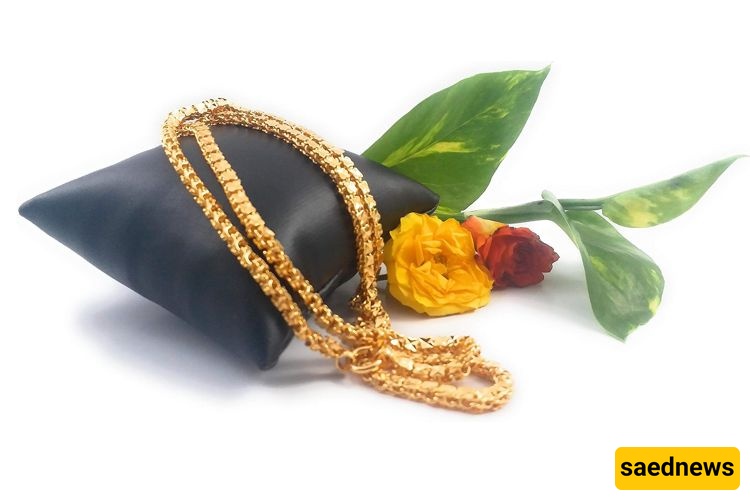
One of the most important benefits of gold for women is its general compatibility with the skin. Compared to costume jewelry or cheaper metals, gold is less likely to cause itching, redness, or inflammation because it does not oxidize easily and produces fewer irritating compounds on the skin.
For sensitive skin, higher karat gold is usually recommended, since it contains fewer other metals. Yellow gold is often less risky than some white gold types, because certain white gold alloys contain nickel. If you have a history of allergies, being “nickel-free” is more important than the color of the gold itself.
Although gold is suitable for many people, it is not completely hypoallergenic for everyone. Jewelry allergies are usually related to alloy metals, especially nickel, one of the most common causes of contact allergy.
Symptoms may include itching, redness, peeling, burning, or even small blisters at the contact site.
If you experience these symptoms after wearing rings, necklaces, or earrings, consider whether the gold is low karat or contains nickel or other sensitizing metals. Switching to higher karat gold or safer alloys may help. For some people, even copper can cause irritation, especially in rose gold with higher copper content.
It is sometimes claimed that gold “rejuvenates the skin” or “improves skin energy.” In reality, wearing gold does not directly affect biological skin processes.
However, there is an indirect benefit: using gold instead of irritating jewelry can reduce inflammation and skin irritation, which may improve the appearance of the skin at the contact site.
Gold is also stable and less likely to discolor the skin (such as turning it green), which can happen with cheaper alloys. These are not medical treatments, but practical benefits in daily use.

Some beliefs suggest that gold can treat joint pain or diseases. Medically, certain gold compounds were once used for conditions like rheumatoid arthritis, but this is unrelated to wearing gold jewelry.
Those medical treatments had specific formulations and dosages and are rarely used today due to side effects.
Therefore, claims that wearing a gold bracelet can cure joint pain are not scientifically reliable. Gold may be skin-friendly, but it is not a medical treatment.
One of the most real effects of gold is psychological. For many women, gold jewelry creates a sense of elegance, improves appearance, and boosts confidence in social situations.
When a person feels their appearance matches their personal taste, they often communicate more comfortably and feel less anxious in social settings. This is not a biological effect, but it does meaningfully improve quality of life.
For many women, choosing gold is not just about metal—it is about style identity.
Yellow gold: classic and warm
White gold: modern and minimalist
Rose gold: soft and romantic
Jewelry can highlight facial features, balance proportions, and enhance overall style. These are aesthetic benefits that influence everyday life.
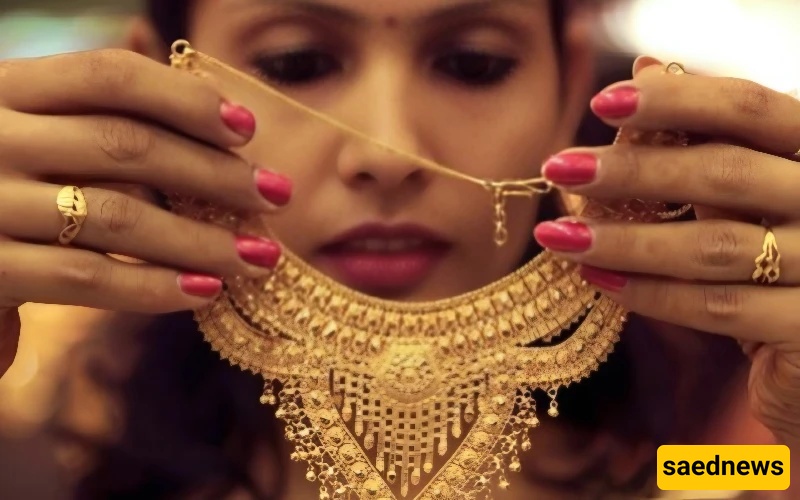
Gold is a portable and liquid asset in many cultures. For women, it has two main meanings:
Financial security: A portion of savings in gold can be helpful in emergencies.
Decision-making power: Financial backing can reduce stress in life decisions, education, work, and family management.
However, gold also carries risks. Prices fluctuate, and there are costs such as making fees and buying/selling spreads. It is important to distinguish between jewelry gold and investment-grade gold.
For many women, gold has emotional meaning. It is often given as a gift to mark important life events and strengthen relationships.
In many families, gold is passed down from generation to generation. In this way, it becomes both a financial asset and a symbolic carrier of memories and family stories.
To make gold comfortable for daily wear:
Higher karat gold generally reduces allergy risk
For white gold, check for nickel-free alloys
Plated jewelry may cause more reactions if the coating wears off
Choose certified hypoallergenic materials for newly pierced ears
Even good-quality gold can irritate the skin if not properly maintained. Sweat, creams, perfumes, and chemicals can build up between the skin and jewelry.
It is better to remove jewelry during bathing, swimming, cleaning, or exposure to harsh chemicals.
For cleaning, use mild soap, lukewarm water, and a soft cloth, then dry thoroughly.
If your skin is inflamed, for example due to eczema or irritation, it is better to reduce direct contact with jewelry.
If redness and itching repeatedly occur after wearing gold, the cause should be investigated. A simple allergy test can help identify the responsible metal.
Does wearing gold have real healing properties?
No, it does not have proven medical healing effects and should not replace medical treatment.
What type of gold is best for sensitive skin?
Higher karat gold and nickel-free alloys are usually safer.
Why do some people still react to gold?
Most reactions are caused by alloy metals like nickel, not pure gold.
Is yellow gold better than white gold?
Often yes for sensitive skin, but nickel-free composition is more important than color.
What is the economic benefit of gold for women?
It can act as a portable, transferable asset and provide financial security.
The benefits of gold for women can be viewed in three layers:
Skin compatibility and comfort, depending on karat and alloy quality
Psychological and social effects, including confidence and style expression
Economic value and financial security, as a portable asset
Ultimately, the best results come from informed choices, avoiding exaggerated health claims, and paying attention to proper care and maintenance.