Saed News: One of the most effective lifestyle changes you can make to prevent symptoms of gastroesophageal reflux disease (GERD) is ensuring that your diet and eating habits do not trigger symptoms.
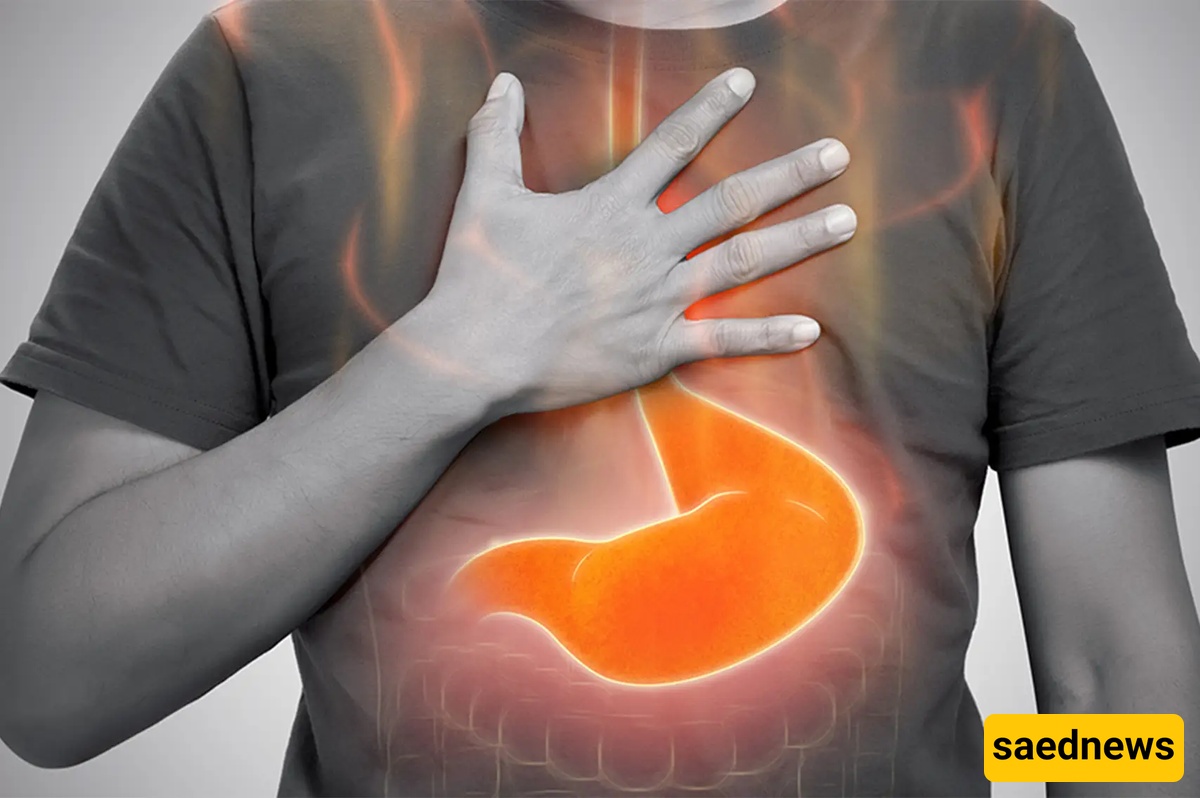
According to SAEDNEWS, acid reflux occurs when stomach acid flows back into the esophagus, the tube that connects the mouth and stomach. This usually happens because the ring-shaped muscles that prevent backflow do not function properly.
In this case, you may experience a burning sensation in your stomach or chest. In addition, reflux may cause nausea, a sour taste in the mouth, difficulty swallowing, sore throat, cough, and chest congestion.
People with acid reflux used to be advised to eat bland foods, but there are many healthy and tasty foods you can still enjoy if you have GERD.
Non-citrus fruits: While you should reduce or avoid citrus fruits, you can enjoy other fruits such as bananas, melons, apples, pears, etc.
Vegetables: Try eating your vegetables raw. While tomato sauce may irritate you, fresh tomatoes may not.
Lean meats: Lean meats that are grilled, boiled, roasted, or baked are the best options. Try using fresh herbs instead of spices for flavoring.
Oatmeal, whole grain bread, and brown rice: These are good sources of healthy complex carbohydrates and fiber.
Unsaturated fats from plants and fish: Replace saturated fats with oils such as olive, sesame, canola, sunflower, soybean, and safflower oils, as well as avocado, nuts and seeds, and fatty fish such as salmon and trout.
Fatty and fried foods that stay longer in the stomach and increase the likelihood of stomach acid leaking into the esophagus. These foods can trigger uncomfortable reflux symptoms.
Spicy foods, citrus fruits, tomato sauce, and vinegar may worsen heartburn.
Chocolate, caffeine, onions, mint, carbonated drinks, and alcohol often aggravate heartburn symptoms.
Eat smaller and more frequent meals. Eating large meals can increase stomach pressure and lead to acid reflux.
Do not lie down after eating. This does not mean taking a nap immediately after lunch. When you are standing or sitting, gravity helps keep acid in the stomach where it belongs.
Avoid intense exercise for a few hours after eating. Intense workouts can push acid into the esophagus.
Do not eat 3 to 4 hours before bedtime. Late dinners or midnight snacks are not recommended.
Sleep on your left side. Due to the anatomy of the esophagus and stomach, lying on the left side often causes less acid reflux than lying on the right side.