SAEDNEWS: Couples Are Less Inclined to Have Children Than in the Past

According to the Family Magazine section of SaedNews, when we learn that a couple has decided not to have children, it’s natural to wonder if they feel incapable of taking on the responsibility of raising another human being. Of course, there are many people who, due to issues like addiction, depression, or other mental health challenges, genuinely feel that their environment isn’t suitable for a child’s growth. But interestingly, choosing not to have children can have a variety of reasons—and this is just one of them.
There are also many couples who are financially stable, patient, and emotionally capable of loving others—people who would likely make wonderful parents—yet they still choose not to bring a child into the world. What motivates their decision? Here are some common reasons.

You don’t have to be a parent to understand how demanding it is. The early years consume nearly all your time and energy. Nights are spent waking up to a crying baby, diapers need constant changing, children must be cared for during sickness, and later come the expenses of school and other needs. Many people simply prefer not to take on these responsibilities, choosing instead to invest their time and energy in personal growth, careers, travel, hobbies, and other pursuits.
Couples in this category often prefer the term “childfree” over “childless,” believing it carries less judgment from others. It’s a deliberate, rational choice they make for how they want to live.

Some couples consider broader societal problems, such as overpopulation, poverty, or children going hungry. They don’t want to contribute to these challenges or perpetuate them, especially if they feel unable to provide solutions. For them, having a child in the current world feels unjust.
Others worry about how children are treated in society, believing that some children are denied the opportunity to grow into healthy, capable adults due to neglect or harmful social practices.
Historically, women faced many restrictions compared to men, with societal expectations focusing on staying at home and raising children—a role once considered their primary purpose. This limited women’s access to education, careers, and personal development.
Today, women pursue education and careers just like men, and both partners contribute to household resources. Many traditional expectations for women are gradually fading, allowing couples to reconsider whether having children aligns with their goals.
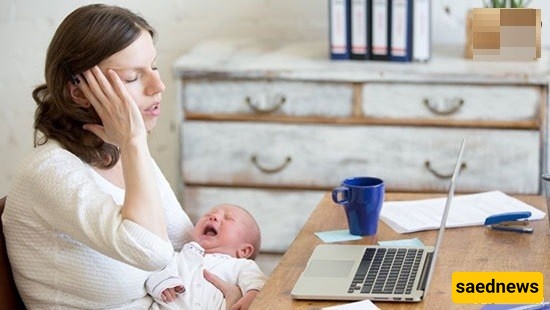
Some people’s expectations of family life differ from reality. They may have imagined joyful, harmonious households but see firsthand the stress, pressure, and daily struggles parents face. Research supports this: parents often experience higher levels of stress and emotional strain compared to others. Witnessing these challenges can make couples hesitant to take on parenthood themselves.
Many people are drawn to parenting by the desire to experience the deep love that comes with raising a child. However, some couples prefer to dedicate all their time, energy, and affection to each other, choosing to nurture their partnership rather than take on the responsibilities of child-rearing.