SAEDNEWS: There’s no doubt that soaking beans has benefits, but it also comes with its own hassles. In this article, experts weigh in on the question: should beans really be soaked before cooking?
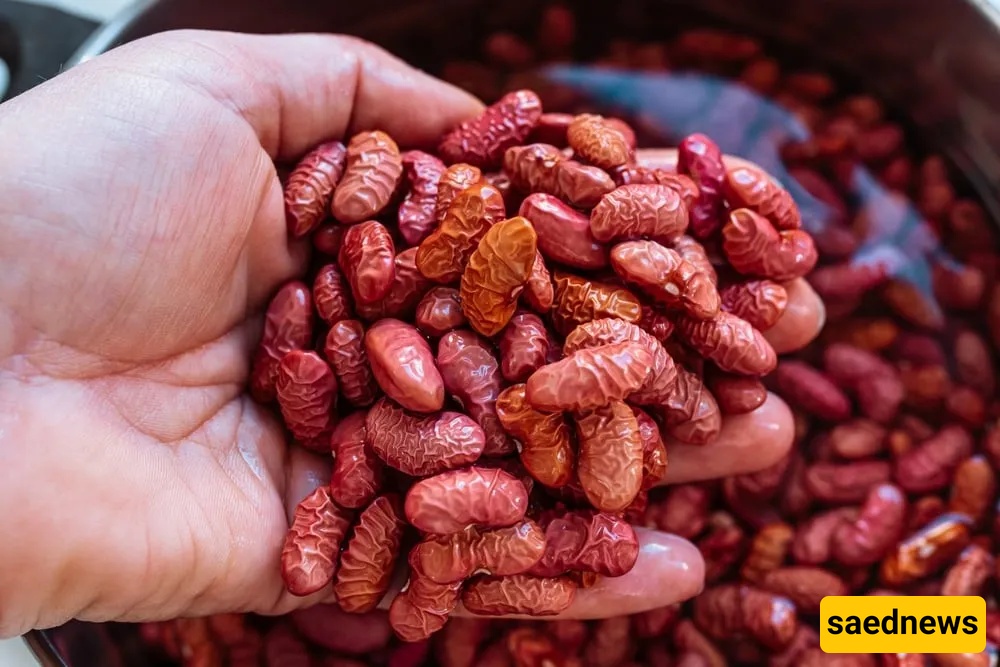
By the housekeeping team at SaedNews: When it comes to cooking beans, one question always comes up: should you soak them beforehand? Most package instructions recommend soaking beans for a long time before cooking, which requires some planning. Often, we don’t have enough time to soak them, and that can discourage us from preparing beans altogether.
This “lack of time to soak” may be part of the reason why Americans consume far less than the recommended 1.5 cups of cooked beans per week, according to the 2020–2025 Dietary Guidelines. Most adults would need to eat nearly five times as much cooked beans to reach this target.
Why Skipping Beans Is a Mistake
Experts say we shouldn’t let preparation concerns stop us from eating beans. Joan Salge Blake, a nutritionist and professor at Boston University, notes: “We need more legumes in our diets. Beans are an excellent plant-based food, rich in protein, fiber, and potassium.”
Research shows that regular consumption of beans and other legumes can reduce the risk of obesity, diabetes, cardiovascular disease, and some types of cancer.
The Benefits of Soaking Beans
Regardless of the type of beans, one of the main reasons for soaking is that it significantly reduces cooking time—by 20 to 38 percent.
Soaking also improves texture. Chelsea Didinger, a nutritionist in Fort Collins, Colorado, explains: “Beans have a moisture content of 12–14 percent. When soaked in water, their size doubles and the added moisture softens them. The thickness of the bean’s outer coat affects how quickly water is absorbed.”
Soaking beans also makes them easier to digest. Beans contain a type of indigestible carbohydrate called oligosaccharides, which can cause gas and bloating since our bodies lack the enzymes to break them down. Soaking releases some of these oligosaccharides into the water.
Similarly, soaking reduces lectins—a type of plant protein—and phytates, which are the main form of phosphorus in beans. Lectins and phytates are sometimes called anti-nutrients because excessive amounts can interfere with nutrient absorption, including iron, and may cause nausea or digestive discomfort.
Blake adds: “If you eat a lot of beans, phytates can reduce the absorption of minerals like iron and zinc. Beans have a long shelf life, but they should be consumed within one or two years of purchase. Beyond that, quality—not safety—is affected.”
How to Soak Beans
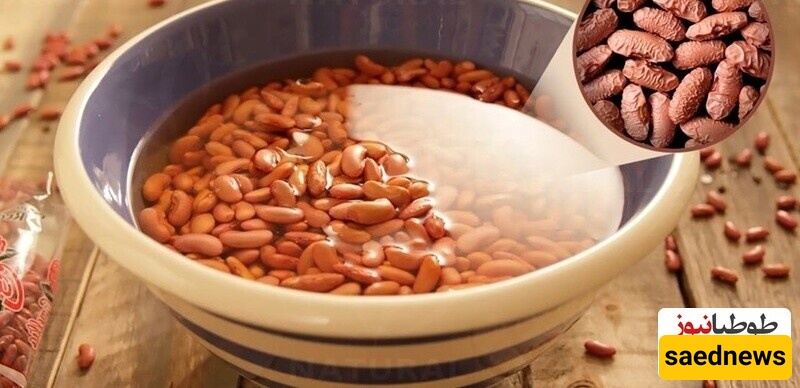
There are several ways to soak beans, but the first step is always the same: inspect them for stones and rinse under cold water.
Overnight method: Place beans in a pot, cover with water, and refrigerate for 8–12 hours.
Quick method: Place beans in a pot, cover with water, bring to a boil for three minutes, then turn off the heat and let them soak in the hot water for one hour.
After soaking, discard the water, rinse the beans under fresh water, and use fresh water for cooking.
If You Don’t Soak
If you haven’t planned ahead, don’t skip beans. They remain an excellent source of protein, fiber, folate, potassium, iron, and antioxidants.
You can cook beans without soaking—they will still be nutritious, though the cooking time will be longer. Another option is canned beans, which are nearly as nutritious as home-cooked beans. However, canned beans often contain more sodium, so nutritionists recommend rinsing them under water before adding to soups, stews, salads, or other dishes. Rinsing can remove about 40 percent of the extra sodium.