SAEDNEWS: Researchers Discover a Forgotten Medieval Library Hidden for Centuries in a Church Tower in Mediaș, Northern Romania
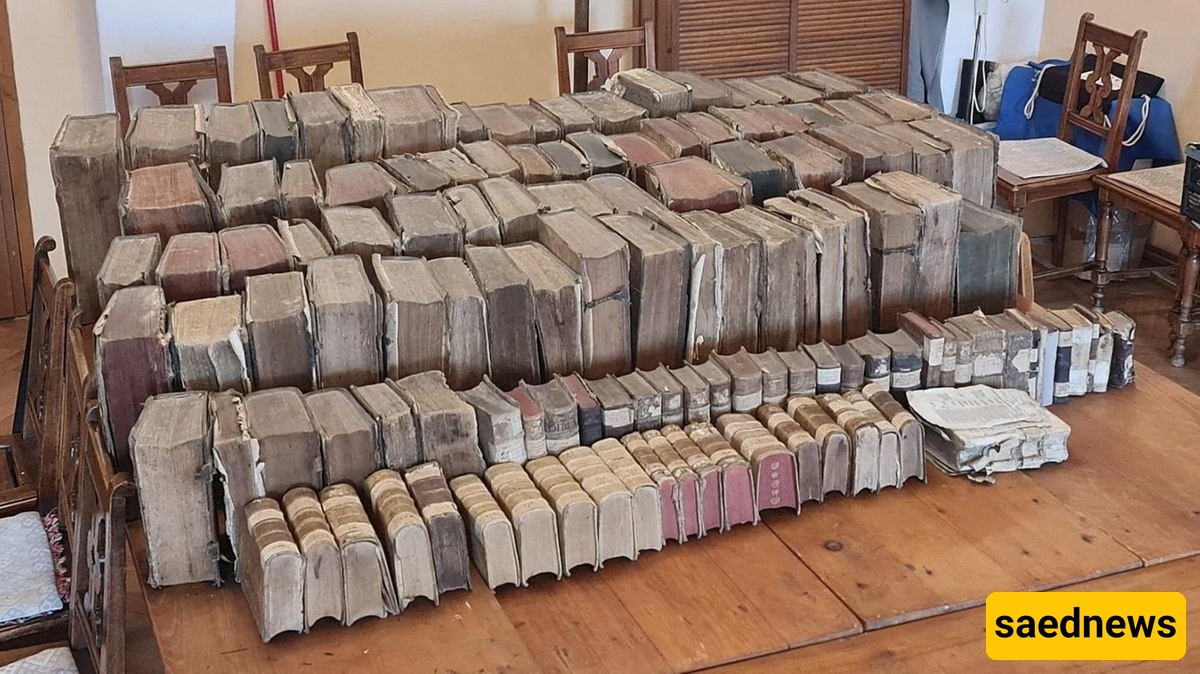
According to the History and Culture Service of Saed News Agency, researchers say this remarkable discovery includes a treasure trove of manuscripts, books, and historical documents.
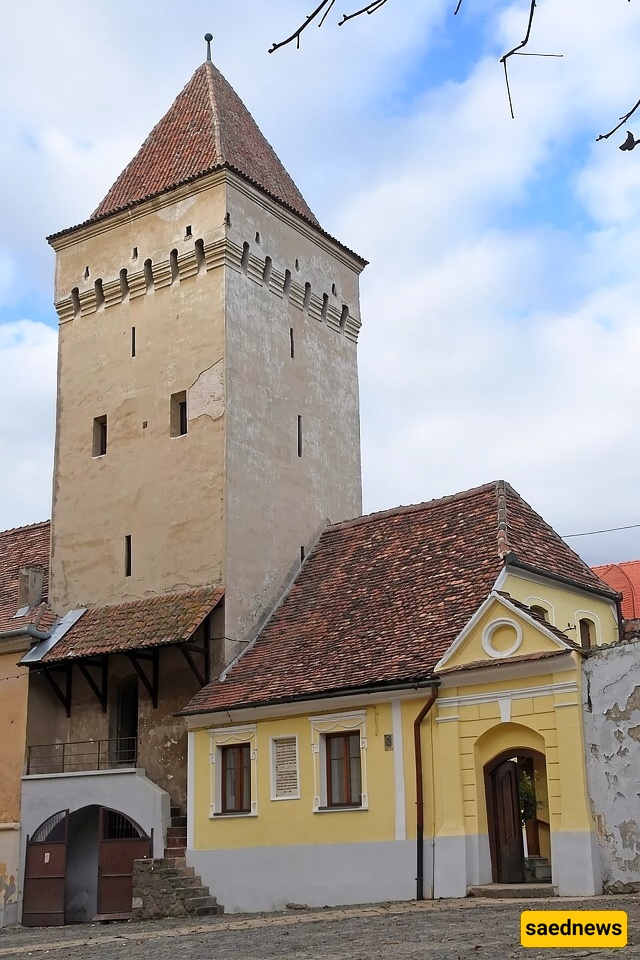
The “St. Margaret” Church in Mediaș was built in the 15th century by Germans living in Romania in the Transylvanian region.
A team led by Professor Adinel Dincă from Babeș-Bolyai University in Romania found the collection in the church’s “Rope Makers’ Tower,” hidden beneath pigeon nests.
According to researchers, the collection includes manuscripts dating from the 9th to the 15th centuries.
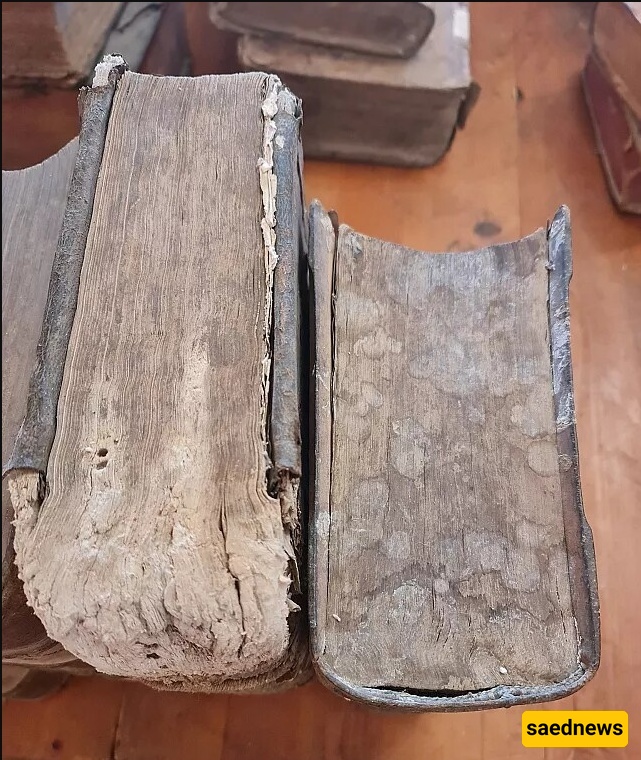
In addition to these manuscripts, 139 printed books from between 1470 and 1600, around 60 documents from the 14th to 16th centuries, and ten administrative registers from the 17th and 18th centuries were also recovered from the site.
Professor Dincă believes the library was deliberately hidden during periods of war or religious conflict. He stated: “The organization of the books indicates a structured and valuable collection, not a random storage.”
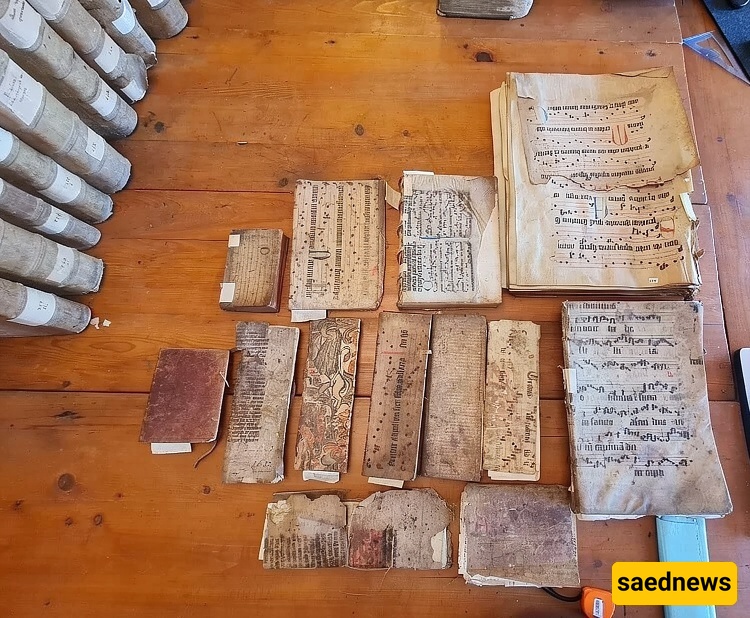
He added: “When I first encountered these books, I immediately realized they were arranged according to a specific historical classification: Gospels, religious and theological texts. This order does not appear accidental and suggests the collection was carefully organized in its early stages.”
A catalogue from 1864 shows that the church’s library once contained about 7,700 books, many of which were written by Protestant reformers such as Martin Luther, John Calvin, and Philipp Melanchthon.
Researchers say this discovery provides a unique opportunity to compare the surviving materials with historical records, allowing scholars to examine the remains of this vast intellectual collection.
Among the most fascinating finds are fragments of medieval manuscripts, some dating back to the 9th century. These include texts written in Carolingian script, associated with the Carolingian Renaissance.
Professor Dincă noted: “One of the highlights of this collection is the large number of 16th-century volumes, many of them dated. Among the administrative records, several fragments of medieval manuscripts were also found, likely remnants of works used before the Reformation in this region.”
Given that the treasure belonged to German communities, Germany’s Ministry of Culture and Media has launched a comprehensive research project and is funding it.
The project focuses on preservation, digital reconstruction, and detailed scientific analysis of the collection. It is expected to take at least two years and may reveal further details about this historical treasure.
Researchers are particularly interested in the role of this collection in reflecting the intellectual and cultural life of the Germans in Transylvania. According to them, the manuscripts and books provide a unique view of intellectual exchange in medieval Europe and highlight connections between the region and broader intellectual movements.
The collection is expected to be digitized soon and made accessible to researchers and the public worldwide.
Professor Dincă and his team believe this discovery is not just a hidden archive, but a “time capsule” offering a rare glimpse into the cultural and religious life of medieval Transylvania.
Researchers hope this extraordinary find will help reconstruct the traditions and intellectual culture of medieval Transylvanian societies.