SAEDNEWS: The hidden treasure we’re about to explore is Iran’s largest, and it boasts some truly fascinating features.
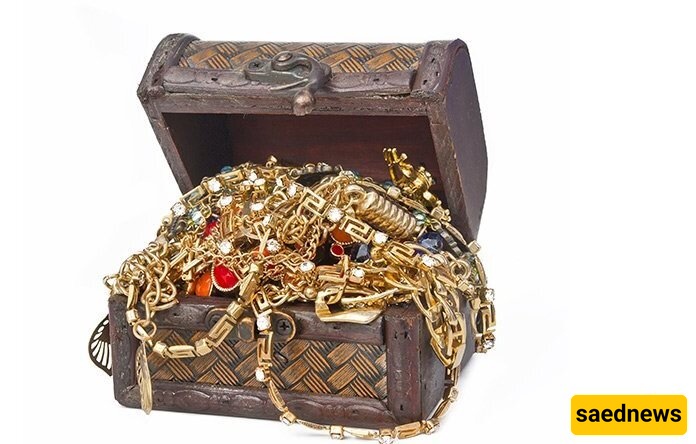
According to the historical service of Saed News, the treasury of the great Iranian king, Darius III of the Achaemenid dynasty, who reigned from 380 to 330 BCE, may be the largest treasure of all time. Part of this wealth was plundered by the Macedonian emperor Alexander (356–323 BCE) when he conquered the Persian Empire around 334 BCE, sacking the treasuries of Susa, Issus (a city in present-day Turkey), Damascus, and Persepolis.
At Persepolis alone, the victorious emperor seized approximately 9,000 talents of gold and 40,000 talents of silver. By modern standards, one talent equals roughly 2.26 kilograms—amounting to more than 1,000 tons, or the equivalent of over 50 large caravans of pack animals, carrying the loot from just one Persian city.
Yet these figures only hint at the scale. The treasures of all the conquered Persian cities required over 3,000 camels and 10,000 pairs of mules—more than 23,000 beasts of burden—to transport them back to Macedonia. At that time, Alexander captured a staggering total of 750,000 talents (about 19,650 tons) of gold and silver in Iran, not counting gemstones, jewelry, and thousands of other priceless artifacts—a haul equivalent to nearly 980 fully loaded 20-ton trucks.
Ancient accounts recount that when Alexander later marched his army into Egypt, he had his soldiers’ protective shields plated with pure silver, a testament to the immense wealth his army had seized from Persia.
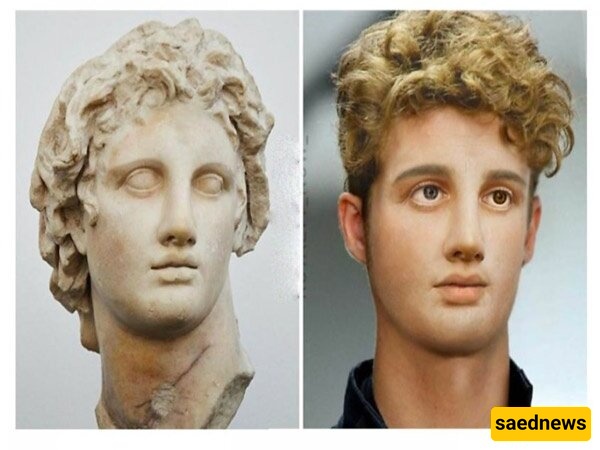
What Happened to the Rest of the Treasure?
Darius had moved a portion of his treasures with a small caravan to his summer residence in Ecbatana (modern-day Hamadan). According to historical records, “Before his death, Darius ordered that all gold, silver, and other precious items be buried near the city. When Alexander captured the summer residence, no trace of the treasure remained. He forced his troops to search around the city for weeks, but the hunt was fruitless.”
In 1973, the then Shah of Iran ordered an expedition to locate this treasure. A team of American archaeologists, using the most advanced excavation and exploration equipment of the time, worked diligently—but the hoard remained elusive.
Today, Darius’ gold still lies buried within a roughly 100-kilometer radius around Hamadan—a treasure whose awakening and revelation to the world remains a tantalizing mystery.