SAEDNEWS: UAE Denies Netanyahu Visit Amid Fears of Iran, Israeli Media Report
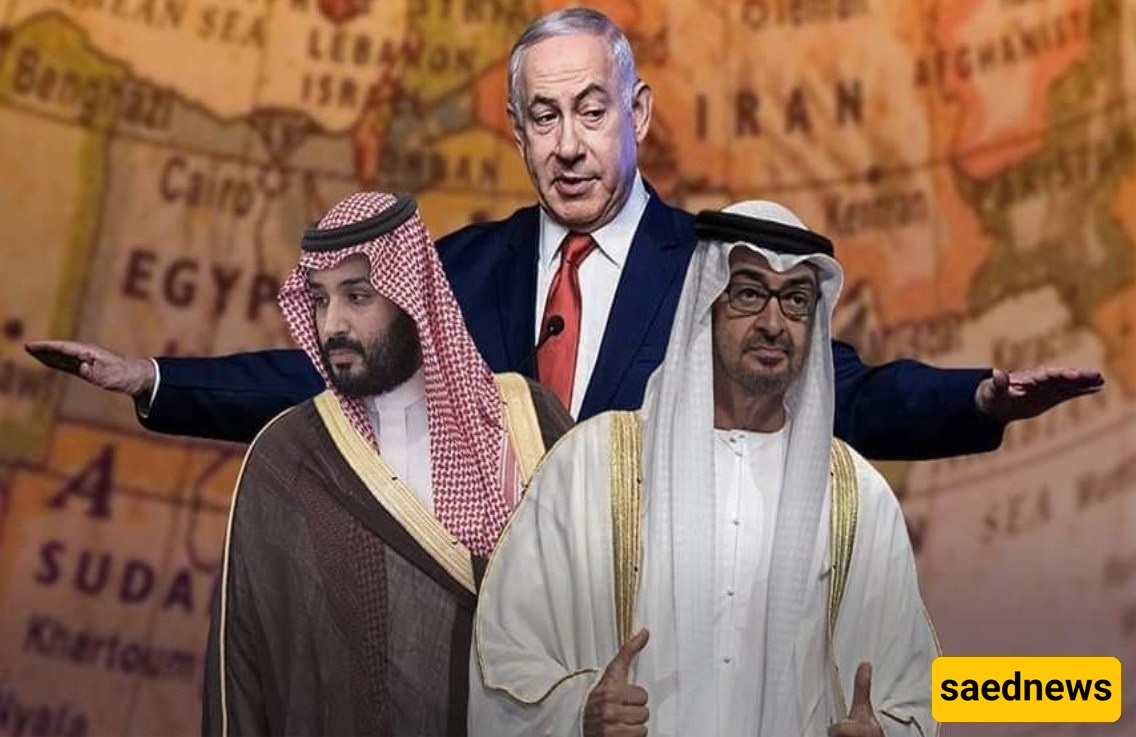
According to the Political Service of Saed News Agency, in a situation where the United Arab Emirates denied reports of a secret meeting involving Israeli Prime Minister Benjamin Netanyahu during the war with Iran, Channel 12 of Israeli television stated that the reason for Abu Dhabi’s denial is its fear of escalating tensions with Tehran if behind-the-scenes coordination with Israel is made public.
According to Al Mayadeen Network, the controversy began when Netanyahu’s office announced that the Israeli prime minister had secretly traveled to the UAE during attacks on Iran, describing the meeting as a “historic achievement” in bilateral relations. However, the UAE immediately denied these claims.
What is an effective sponsored article (reportage) and how does it contribute to sustainable SEO?
According to the report, Emirati officials are concerned that the exposure of intelligence and security coordination with Israel could reinforce the perception that Abu Dhabi is directly involved in aggression against Iran.
This sensitivity increased after the port of Fujairah came under attack earlier this month—an incident Iran denied and attributed to the United States. The event raised UAE fears that strategic alignment with Israel could expose the country to direct Iranian retaliation.
Fujairah is one of the world’s most important refueling and maritime logistics hubs outside the Strait of Hormuz, serving as a critical infrastructure point for global energy markets and shipping routes.
Despite official denials, Israeli and Western reports indicate increasing military coordination between the UAE and Israel during the war. According to these reports, Israel deployed its Iron Dome systems and military personnel in the UAE to assist in intercepting Iranian missiles and drones.
Mike Huckabee, the U.S. ambassador to Israel, confirmed this deployment earlier this week, describing it as part of an “extraordinary relationship” formed under the Abraham Accords.
The Wall Street Journal also reported that David Barnea, head of Mossad, repeatedly traveled secretly to the UAE during the war to coordinate military and intelligence activities. According to the report, after these details were leaked to the Israeli press, Abu Dhabi expressed frustration.
Other Wall Street Journal reports revealed that the UAE secretly conducted operations inside Iran during the war, including an attack on an oil refinery on Lavan Island in the Persian Gulf.
These reports prompted Iranian officials to issue stronger warnings to Arab Gulf states accused of aligning with Washington and Tel Aviv. On May 8, Iranian lawmaker Ali Khezrian warned the UAE that Tehran still has “unfinished business” with the country and that they should take advantage of the “ceasefire window period.”
Other Iranian officials also warned regional governments against supporting the United States and Israel. Iranian MP Ebrahim Rezaei stressed that Tehran would not allow the formation of an “UAE–Israel axis” in the region.
Analysis by Israeli media suggests that Abu Dhabi increasingly prefers to keep its relations with Israel within the framework of the Abraham Accords, rather than being associated with covert wartime coordination.
Analysts say the controversy shows that Arab states that normalized relations with Israel face growing political and security costs. Channel 12 concluded that the UAE’s denial is an attempt to signal that it maintains control over the public narrative of its relations with Israel.