SAEDNEWS: The President of Sharif University of Technology, elaborating on the rationale for insisting on in-person classes in critical conditions, said: “Our belief is that a student who is angry and protesting should be able to voice their concerns within the university environment so that the issue does not spill beyond the university gates.”
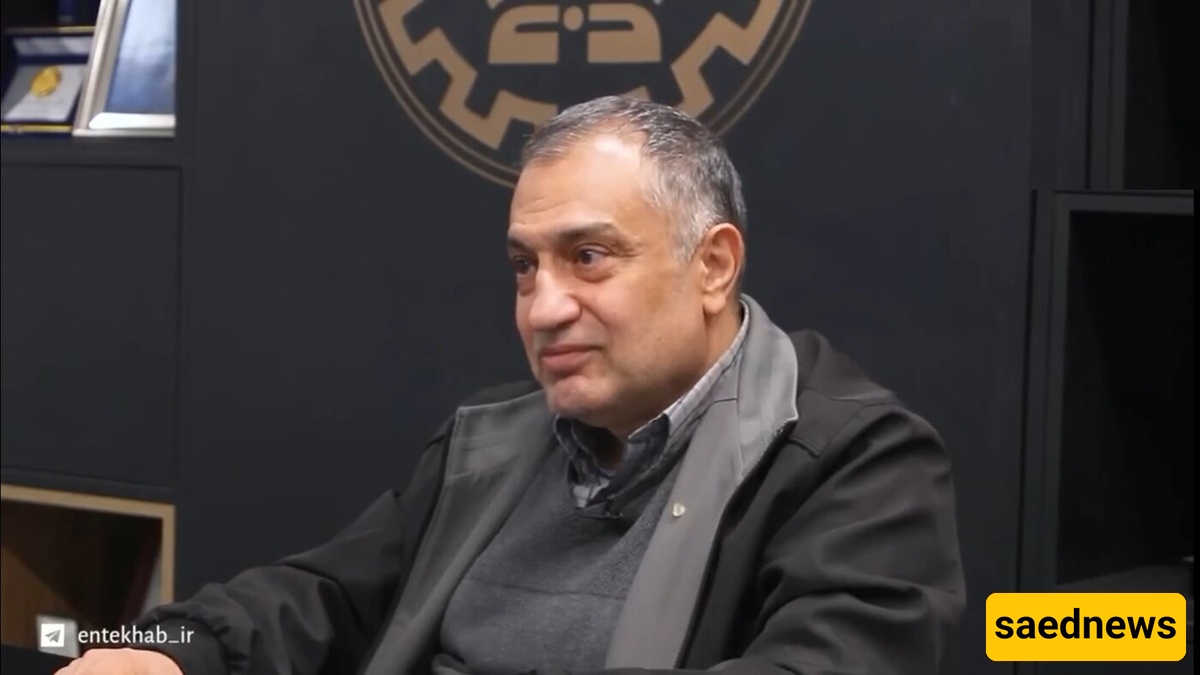
According to the political desk of Saed News, Masoud Tajrishi spoke today to a group of students gathered on the south side of Sharif University of Technology. He emphasized that the core message from the Supreme Leader was for life to continue normally and for universities to remain operational. Tajrishi stated, “Contrary to some suggestions, we announced that universities must hold in-person classes, even though many colleagues believed activities should resume from March 1.”
Highlighting the importance of maintaining public trust, he added, “We must safeguard this trust and prevent it from being eroded. Our belief is that students who are angry or protesting should express themselves properly within the university environment, rather than letting the issue spill outside.”
Tajrishi also noted that in certain meetings, some state institutions had proposed moving universities online. “However, we said we can manage the situation internally and not let matters extend beyond the campus,” he explained. He further remarked that the holy month of Ramadan could help create a calmer atmosphere on campus.
Concluding his remarks, the Sharif University president stressed, “Our goal has been to conduct university classes according to approved guidelines while maintaining calm and trust, and we remain committed to this approach.”
The positive and interactive approach of Sharif University President Dr. Masoud Tajrishi toward student protests can be summarized in five key areas:
Prioritizing Dialogue Within the University
Tajrishi believes the university should serve as a safe space for students to voice their grievances. He explicitly stated that “angry and protesting students must be able to speak within the university.” This perspective frames the university as a place to channel emotions and express civil demands, rather than pushing students outside its walls.
Internal Management Over External Intervention
A critical point in his remarks was resisting external proposals to shift the university to a virtual format. By insisting that “we can manage the situation internally,” Tajrishi demonstrates trust in students’ maturity and the university’s managerial capabilities. This approach prevents the campus from becoming securitized and avoids involvement of non-academic authorities.
Maintaining Normal Campus Life
His insistence on in-person classes, even under challenging conditions, reflects a strategic view on sustaining academic and social life. Physical presence, in his view, is not a threat but an opportunity to rebuild trust between students and administration using available resources, such as the calming environment of religious observances or dialogue sessions.
Minimizing Costs for Students
By keeping protests within campus boundaries, Tajrishi aims to protect students’ safety. Expressing concerns in the academic environment incurs far fewer risks and costs than doing so publicly, allowing the administration to provide a supportive and preventive framework.
Direct Responsibility and Accountability
His presence among protesting students and direct engagement demonstrates a belief in hands-on, unmediated management. This approach signals that student voices are heard and that university officials hold themselves accountable for responding to concerns, even during moments of anger or unrest.
Conclusion:
Analysis of the Sharif University president’s perspective shows a “opportunity-oriented” and educational approach to student protests, rather than a threat-centered one. He views the university not merely as a place for teaching courses but as a platform for dialogue and crisis management, where preserving student dignity and institutional independence is a top priority.