SAEDNEWS: Placing a Coffee Paper Filter at the Bottom of a Flowerpot is a simple and low-cost method that helps retain soil moisture, prevent soil spillage, and improve drainage for potted plants.
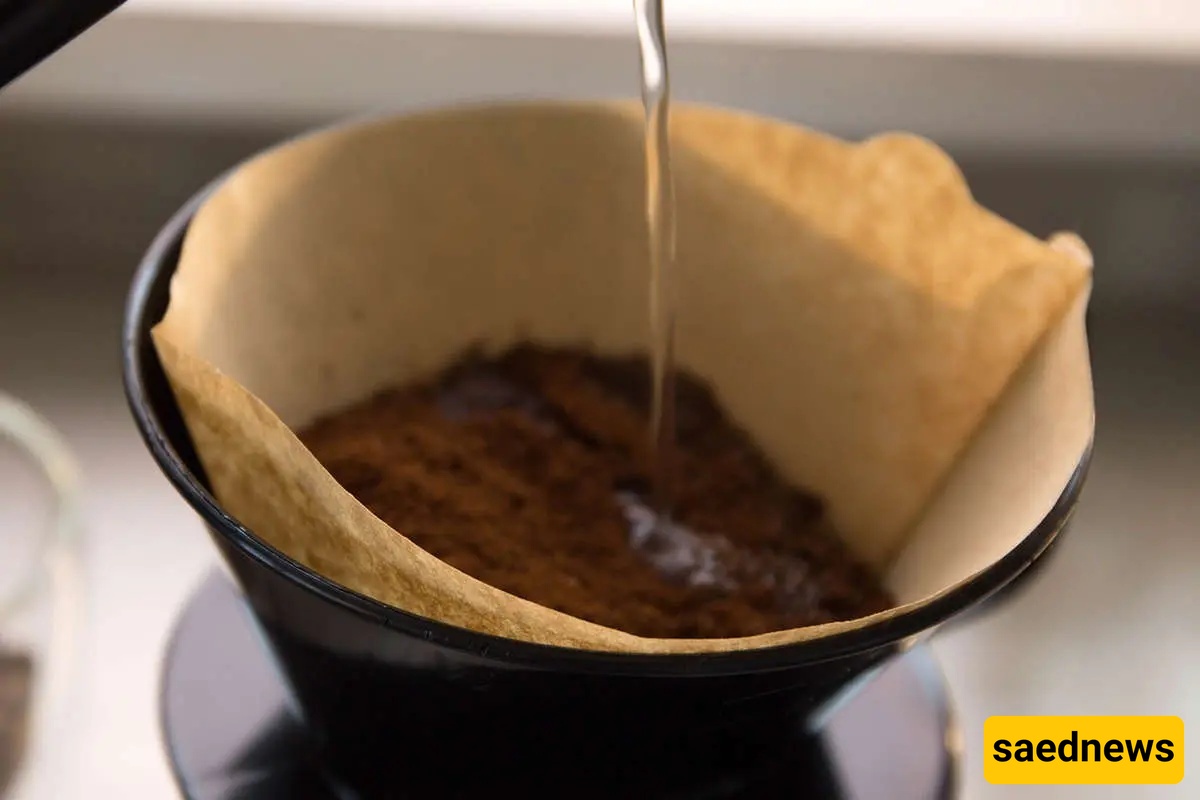
According to the Family Magazine service of Saed News, gardening experts say that a simple, readily available kitchen tool—a coffee filter—can be an effective solution for common watering and maintenance problems with indoor plants.
If you struggle with soil spilling out when watering your pots, or if you tend to overwater your plants unintentionally, the solution to these common problems might be right in your kitchen. It may sound surprising, but a paper coffee filter can have a noticeable impact on the health of potted plants—from retaining soil moisture to preventing waste. The next time you plan to repot one of your plants, consider placing a coffee filter over the drainage hole at the bottom of the pot before adding soil. Of course, following a few key guidelines is important to make the most of this simple method.
Placing a paper coffee filter at the bottom of a pot can support better plant growth. This is especially important for indoor plants, which typically face one of two common problems: overwatering or underwatering. Coffee filters can act as a moderator in both cases.
Coffee filters have high absorbency, which helps retain water and distribute it evenly throughout the soil. They allow water to reach the plant’s root system in a balanced way, preventing water from pooling in one area. As a result, roots receive better nourishment, and the plant experiences more stable growing conditions.
A common issue with pots is soil escaping through the drainage holes along with water. Using a coffee filter at the bottom of the pot can largely prevent this problem. The filter acts as an eco-friendly barrier that allows water to pass through while holding the soil in place, preventing the drainage hole from becoming clogged.
Another key benefit of coffee filters is that they help retain soil moisture without risking root rot. The filter allows water to spread evenly in the pot without oversaturating the soil. Overly saturated soil can stress the plant and make it more susceptible to disease—an issue that this simple method can largely prevent.
Paper coffee filters are very easy to use. When repotting, simply place a coffee filter over the drainage hole at the bottom of the pot and add a layer of slightly moist soil on top. This prevents soil from escaping through the hole. Then place your plant in the pot and fill around the roots with soil to secure it in place.
It is essential that the filter fully covers the drainage hole. When soil and water escape through the hole, the opening can gradually become blocked, reducing water flow. This can cause water to accumulate at the bottom of the pot, eventually leading to root rot.
Some plant enthusiasts suggest placing pebbles or small stones over the drainage hole to improve drainage. However, pebbles still allow some soil to pass through and may eventually clog the hole. Additionally, stones can shift and block the water pathway. Coffee filters, by comparison, are a better option because they stay in place and minimize the risk of blocking the drainage hole.
Overall, using a coffee filter is a low-cost, simple, and practical way to improve the growing conditions for potted plants—a small step that can make a big difference for your plants’ health.
To view more flower and plant content, stay connected with SaedNews.