SAEDNEWS: Read the factors that influence a cat’s lifespan, ranging from 12 to 18 years on average, including breed, diet, and environment. Learn essential tips on nutrition, healthcare, and activity to maximize the happy and healthy years you share with your feline companion.
According to SAEDNEWS, Deciding to bring a cat into your home is a significant and emotional decision. These small, furry creatures, with their bright eyes and playful antics, quickly capture our hearts and become inseparable family members. But behind these sweet moments lies a fundamental question: How long will this little companion be with us? How many years does a cat live? This is a question that occupies the minds of many cat owners, and there is no single, definitive answer. A cat’s lifespan depends on numerous factors, which we will explore in this article.
What is the lifespan of a cat?
Factors affecting a cat’s lifespan
Methods for determining a cat’s age
Effective ways to increase a cat’s lifespan
Lifespan comparison table for some cat breeds
The life of cats, like any living creature, is limited. However, this limitation depends on various factors we will detail below. Generally, domestic cats can live between 12 and 18 years if they live in a safe environment with proper care. This is just a general estimate, and some specific cat breeds may live much longer. In fact, the record for the longest-living cat belongs to a cat that reached the age of 38!
Numerous factors can influence a cat’s longevity. Here we review each one and explain how it relates to how long a cat lives.
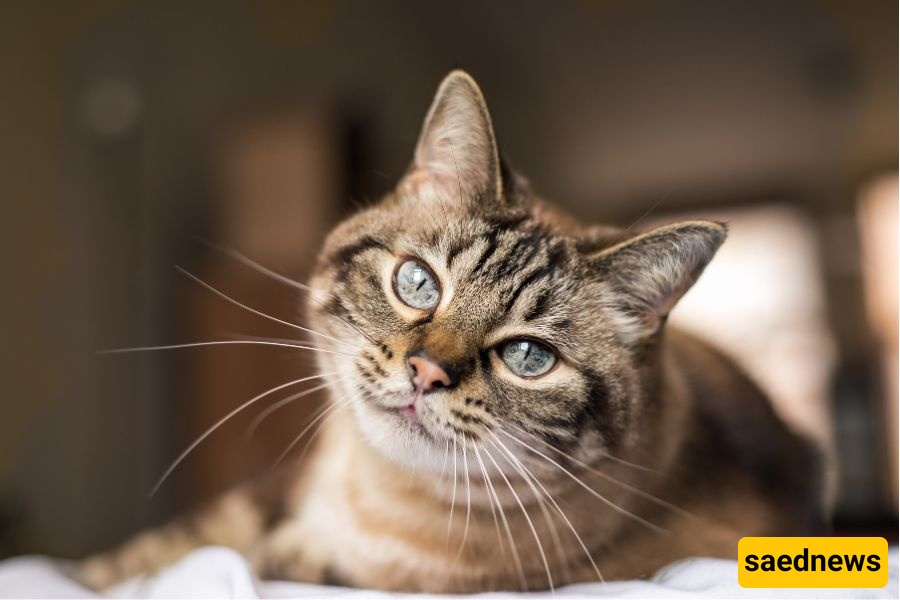
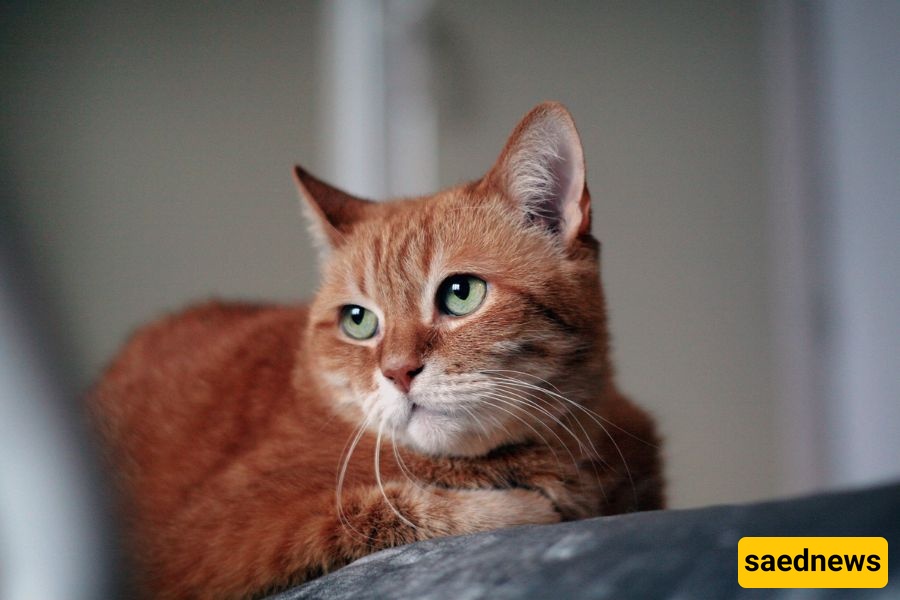
Some cat breeds are genetically predisposed to certain diseases that can shorten their lifespan. For example, a Persian cat may be prone to respiratory issues that shorten its life. In contrast, some breeds, like Siamese cats, usually have longer lifespans due to a stronger genetic structure. Choosing a cat breed from the various types of cats is one of the first decisions that affects your pet’s longevity.
Cats that live indoors are exposed to fewer risks such as accidents, infectious diseases, and attacks from other animals. Consequently, the lifespan of a house cat is generally longer than that of a stray cat. Stray cats have shorter lives due to harsh living conditions, limited access to food and water, and a lack of health care. Providing security and tranquility for the cat in its living environment is one of the most important duties of their owners.
A balanced and nutritious diet is essential for maintaining a cat’s health and extending its useful life. Improper nutrition can lead to health problems like obesity, heart disease, and diabetes, all of which reduce a cat’s lifespan. Choosing the right food and paying attention to the cat’s nutritional needs at every stage of its life is very important.
Cats that engage in regular physical activity are generally healthier and live longer. Physical activity helps maintain a proper weight, strengthens the immune system, and reduces stress in cats. Providing opportunities for play and movement significantly contributes to the cat’s health and longevity.
Regular visits to the veterinarian for check-ups and vaccinations can help prevent diseases and increase a cat’s lifespan. Furthermore, spaying or neutering cats can reduce the risk of certain diseases and contribute to the increased lifespan of a sterilized cat. Preventive healthcare plays a crucial role in maintaining the health and extending the lives of cats.
Accurately determining a cat’s age, especially for adult cats, can be challenging. However, some signs can help you estimate a cat’s age:
A cat’s teeth change with age. Kittens have baby teeth that fall out around 6 months of age and are replaced by permanent teeth. As they age, teeth may become worn, yellowed, or even fall out. Examining the condition of the teeth can be one way to determine a cat’s age.
The eyes of young cats are clear and bright. With age, the lens may become cloudy, or the cat may develop cataracts. These changes in the eyes can also help estimate a cat’s age.
A young cat’s coat is soft and shiny. With age, the coat may become rougher, or the cat may experience hair loss. Additionally, the coat color might change as the cat gets older.
Young cats are more energetic and playful. As they age, a cat may become calmer or show less interest in play. Changes in a cat’s activity level and behavior can also be an indicator of aging.
If you are unsure about your cat’s age, you can seek help from your veterinarian. The vet can estimate the age by performing a physical examination and checking the cat’s teeth and eyes. Also, if you have adopted an adult cat and do not know its exact age, the vet can determine the approximate age using more precise diagnostic methods.
As a cat owner, you can help extend your cat’s useful life by taking certain actions.
Feed your cat high-quality food appropriate for its age and needs. Avoid feeding human food, as much of it is harmful to cats. Proper nutrition is one of the most critical factors in increasing a cat’s lifespan and health. Food choices should be based on the cat’s age, breed, activity level, and health status. To ensure your cat is fed correctly, consult your veterinarian.
Encourage your cat to play and be physically active. You can use various toys to keep your cat entertained. Furthermore, creating a rich and dynamic indoor environment using play structures, cat trees, and climbing paths can encourage more movement and activity. Regular physical activity helps maintain a proper weight, strengthens the immune system, and reduces stress in cats.
Take your cat to the veterinarian regularly. The vet can diagnose and treat illnesses in their early stages. Moreover, routine vaccinations can prevent dangerous diseases. Preventive healthcare plays a vital role in maintaining the health and extending the lifespan of cats.
If you do not plan to breed your cat, have it spayed or neutered. Sterilization reduces the risk of certain diseases and can help increase the cat’s lifespan. It also helps control the cat population and reduce the number of stray cats.
Keep your cat indoors to protect it from potential dangers like accidents, infectious diseases, and attacks from other animals. Providing a rich and dynamic indoor environment can also help reduce stress and improve the cat’s mental health. Using a cat tree, diverse toys, and creating safe places to rest and hide can improve the quality of the cat’s life indoors.
Give your cat plenty of love and attention. Cats are social animals and need interaction with humans. Playing, petting, and talking to your cat can strengthen your bond and increase the cat’s happiness. Building a strong emotional connection with your cat helps improve its quality of life and longevity.
Cat Breed | Average Lifespan (Years) |
Siamese | 15–20 |
Persian | 12–17 |
Maine Coon | 12–15 |
Bengal | 12–16 |
British Shorthair | 12–17 |
Domestic Shorthair | 12–18 |
This table shows that the lifespan of cats can vary depending on their breed. Some breeds, like the Siamese, naturally live longer, while others, like the Persian, might have shorter lives due to genetic predispositions.
The life of a cat is a journey full of happy moments and unforgettable memories. With proper care and attention, we can make this journey longer and more enjoyable. Every day is an opportunity to appreciate these loyal companions and create happy, memorable moments with them.
If you have recently become a cat owner or plan to adopt one, consult your veterinarian about necessary care and methods to increase your cat’s lifespan. You can also use reliable online resources and books for more information on cat care. Remember, every cat is a unique being with its own specific needs. By better understanding your cat and attending to its needs, you can enjoy its companionship and love for many long years.