SAEDNEWS: Structure with the Largest Floor Mosaic in Cappadocia and Central Anatolia Unearthed in Central Turkey’s Ürgüp Region
![Massive Ancient Mosaic with Stunning Design Unearthed in Turkey [Photos]](https://en.saednews.com/storage/files/post/42592f12-4887-4f4a-b223-a35c47f0d725-ItJNO4TDNPOfLvNT/image.jpg)
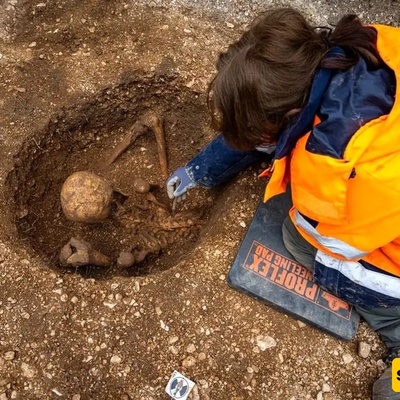
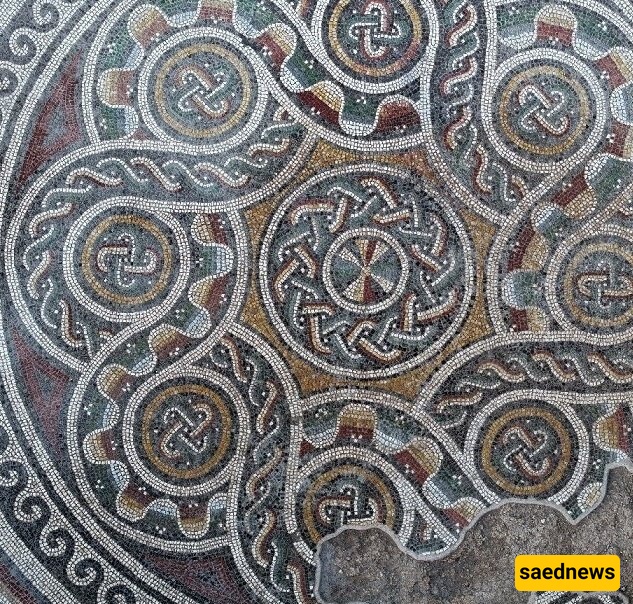
According to Saed News’ Society Desk, ongoing excavations in the Orenshehir area have revealed new floor mosaics from an ancient villa, estimated to date back to the 4th century CE.
Shokru Dorsun, the Director of Culture and Tourism for the Caesarea Province, stated that the excavations began three years ago and have been expanding each year. Preliminary estimates put the mosaic’s area at 300 square meters, but it has now grown to 600 square meters.
Dorsun noted that the digs, supported by the Caesarea Metropolitan Municipality, continue on a plot of approximately 4,000 square meters. He added:
"Our assessments indicate that this site was built in the 4th century. Based on the findings, there are also remnants dating back to the 3rd century and later. The craftsmanship seen in the floor mosaics suggests that this location served as a highly significant villa in its time."
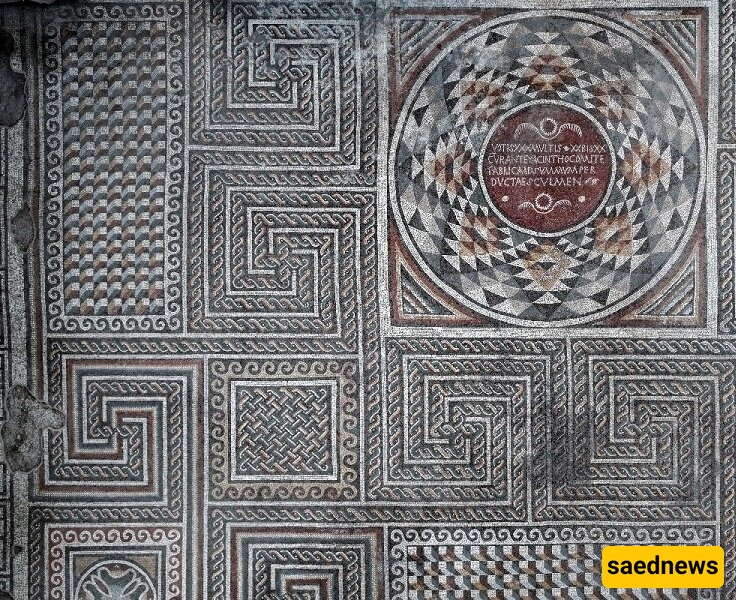
The team discovered a Latin inscription in what appears to have been the reception hall, along with several Greek inscriptions. Geometric decorative mosaics are predominantly found in this area. Dorsun noted, "We have completed this year’s excavations and hope to continue our work next year."
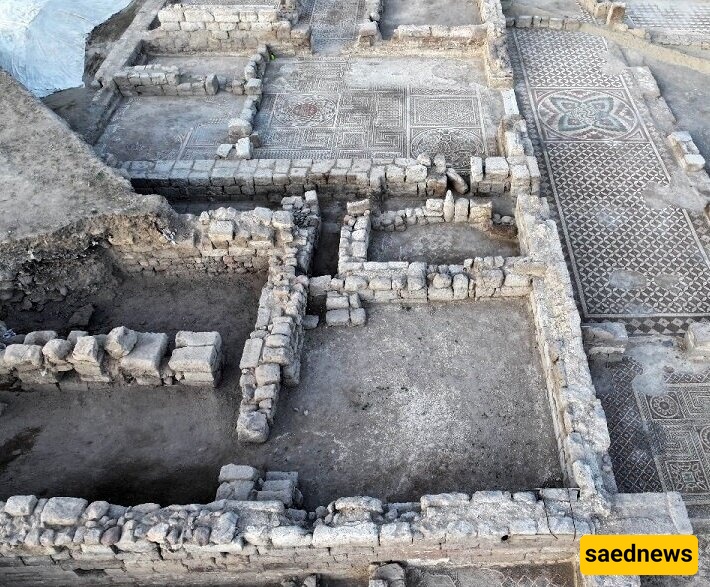
Kan Erpek, the lead excavator, explained that the villa remained in use during the Byzantine period and even after the arrival of Turks in Anatolia.
"The site comprises roughly 33 rooms spread across a very large area. This is a high-status residence. We have not yet fully mapped the boundaries of the villa. It features extremely valuable floor mosaics. In central Anatolia, including the Cappadocia region, such large residences with mosaic floors are rare. During the Roman and Byzantine eras in Cappadocia, most records we have pertain to imperial estates. Here, we encountered inscriptions bearing the name 'Hyacinthus,' which we believe may refer to an administrator. With further data, we will be able to confirm whether this was the residence of a prominent figure within the imperial estates."
According to Büyükiliç, "The mosaics uncovered in these recent excavations once again confirm that Caesarea is the cradle of civilization in Anatolia."