SAEDNEWS: Shocking Evidence Suggests Carthaginian Parents Ritualistically Sacrificed Young Children to the Gods
Along the coast of modern-day Tunisia lie the ruins of a city that once rivaled Rome in power: ancient Carthage. Today, the city’s sacred spaces, once dedicated to offerings and sacrifices, lie buried under layers of soil and dust. Thousands of years ago, these sites drew gold, devotion, and worshippers from across the region.
According to Britannica, Carthage was founded by the Phoenicians around 2,900 years ago and grew into a bustling commercial center and a legendary maritime port.
Like other Phoenician cities, Carthage featured a Tophet—a sacred enclosure where sacrifices and burials took place. The Carthaginian Tophet included a “sanctuary area” for ritual offerings and a cemetery where the deceased were interred.
Shocking evidence now suggests that Carthaginian parents ritually sacrificed their young children as offerings to the gods.
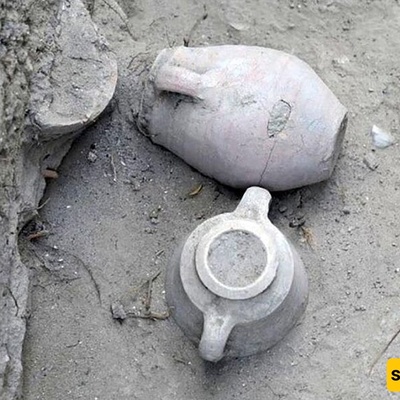
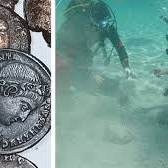
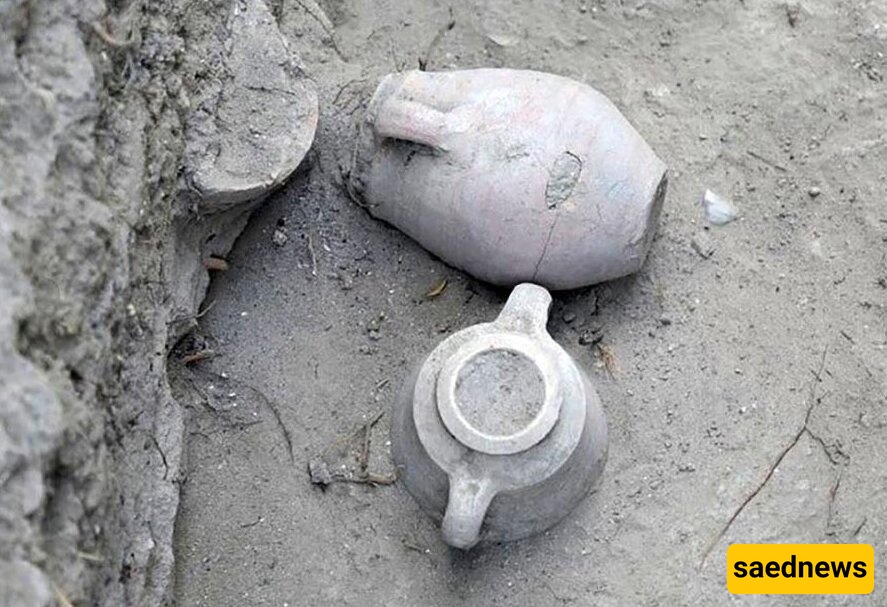
In a press release on August 11, Tunisia’s Ministry of Cultural Affairs reported that archaeologists excavating the Tophet uncovered a collection of offerings, including five gold coins dating back 2,300 years, tombstones, and several jars containing the remains of animals, infants, and stillborn children.
The rare gold coins, roughly one inch in diameter, bear the image of Tanit, an ancient goddess of fertility and motherhood. These coins were offerings from wealthy worshippers to the Tophet’s chief deities, the god Hammon and the goddess Tanit.
Carthage’s Tophet served both as a massive sacrificial site and a cemetery. Since its rediscovery in 1921, archaeologists have uncovered more than 20,000 urns containing the remains of children, primarily newborns and infants up to four years old.
Although the practice has been debated, compelling evidence indicates that young children were ritually sacrificed to the gods.
Josephine Quinn, one of the study’s authors, explains: “It may have been driven by deeply held religious beliefs or the conviction that the sacrifice and the resulting blessings for the family or community were more important than the life of a child.”