SAEDNEWS: “Wool-Clad Dead: A New Mystery from the 2,000-Year-Old Burnt City”
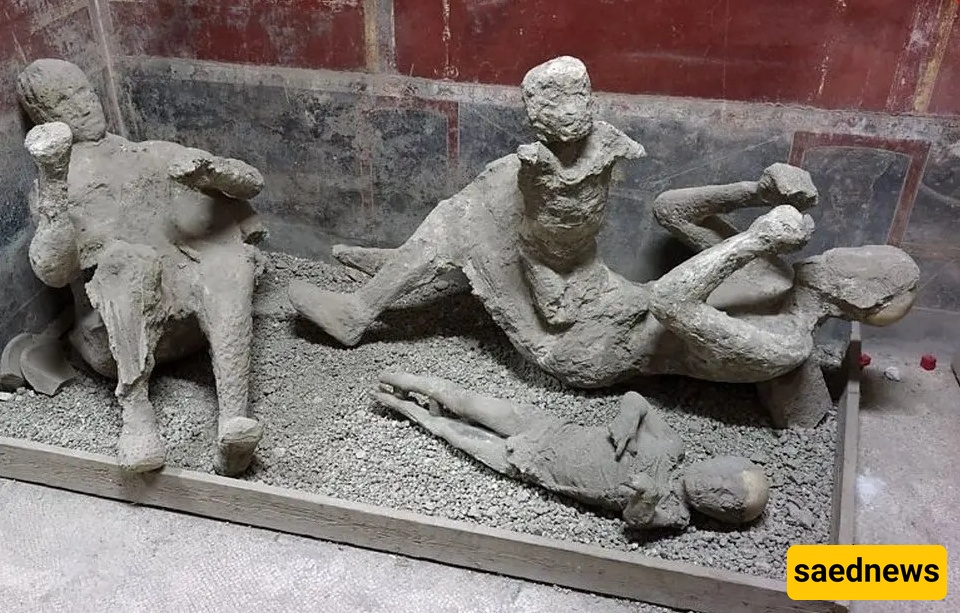
According to Saed News’ social affairs service, when Mount Vesuvius erupted in 79 CE, it buried the ancient city of Pompeii under a thick layer of ash and volcanic debris. Historical sources long suggested that the eruption occurred in late August, during summer—but new research complicates this timeline.
At least four of the victims of this natural disaster were wearing thick woolen garments, clothing associated with winter attire. According to a recent statement, researchers from the University of Valencia presented their findings in late November at an archaeology conference in Italy.
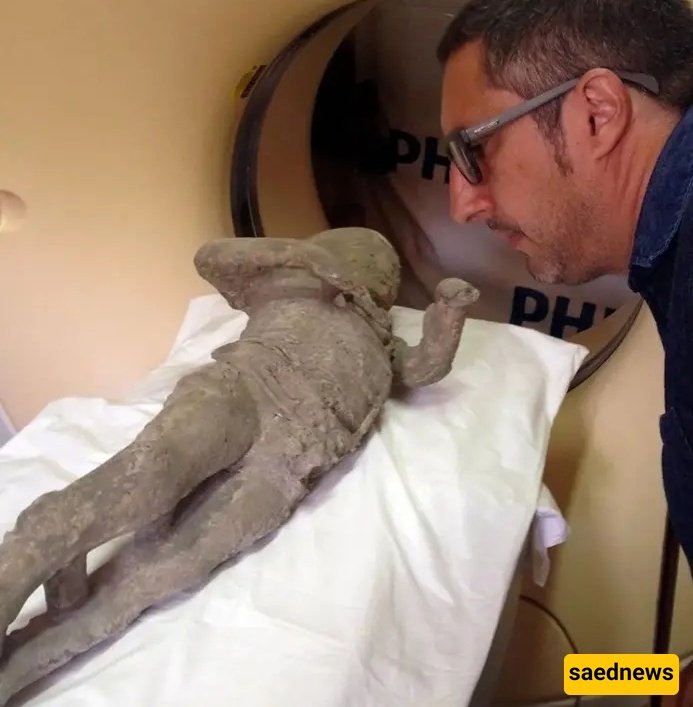
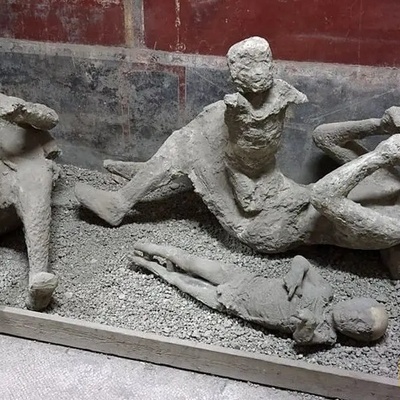
Using a method developed by 19th-century Italian archaeologist Giuseppe Fiorelli, researchers have created more than 100 plaster casts of Pompeii’s victims.
In the yet-to-be-published study, scientists revisited some of these plaster casts. They analyzed 14 casts in detail, focusing especially on the texture of the fabric patterns preserved in the plaster.
Their analysis shows that several victims—some found indoors, others outdoors—were wearing layered clothing, including a wool tunic and a cloak, at the time of death. Researchers are still unsure why these individuals wore such garments. Their clothing may indicate that Vesuvius erupted during a colder month. Alternatively, the eruption may indeed have occurred in August as long thought, but the region might have experienced unusual cold, or the victims may have worn wool deliberately to protect themselves from intense heat, toxic gases, and falling ash during the eruption, which lasted about 18 hours.
Padar Fass, an archaeologist not involved in the study, offers another perspective: “They wore wool simply because that’s what people had. About 90 percent of all clothing at the time was woolen.”
Other materials such as cultivated flax, cotton, and silk were available but finer or reserved for the wealthy. In contrast, wool was durable, warm, and relatively inexpensive.
The late-August eruption date largely stems from letters by Pliny the Younger, a Roman administrator who witnessed the disaster as a teenager and wrote about it roughly 30 years later. In letters to the historian and politician Tacitus, Pliny stated that the eruption occurred on August 24.
Yet this date remains debated. Some researchers point to apparently contradictory evidence: fruits only available in autumn, wine still fermenting in clay jars, and a fragile inscription dated to mid-October.
This is not the first time archaeologists have found evidence that victims wore wool at the end of their lives. In 2020, archaeologists discovered the remains of two men who seemed to have survived the initial eruption but died in the second blast the following day. Plaster casts indicated that one may have worn a wool cloak, while the other may have had a short, pleated tunic.
Modern researchers, using Fiorelli’s 19th-century method, have created over 100 plaster casts of Pompeii’s victims.
Italian writer Luigi Settembrini wrote in 1863: “It is hard to look at these distorted figures without being moved. They have been dead for 18 centuries, yet they are human beings caught in the moment of death. This is not art, not imitation; it is their real bones, the remains of their flesh, and their clothing fused with plaster. It is the pain of death made visible in body and form.”