SAEDNEWS: Iran’s foreign policy is stuck between aggressively challenging the global order and pragmatically adapting to it. This indecision, especially toward the U.S., comes at a high cost to the nation and calls for national consensus and long-term diplomacy.
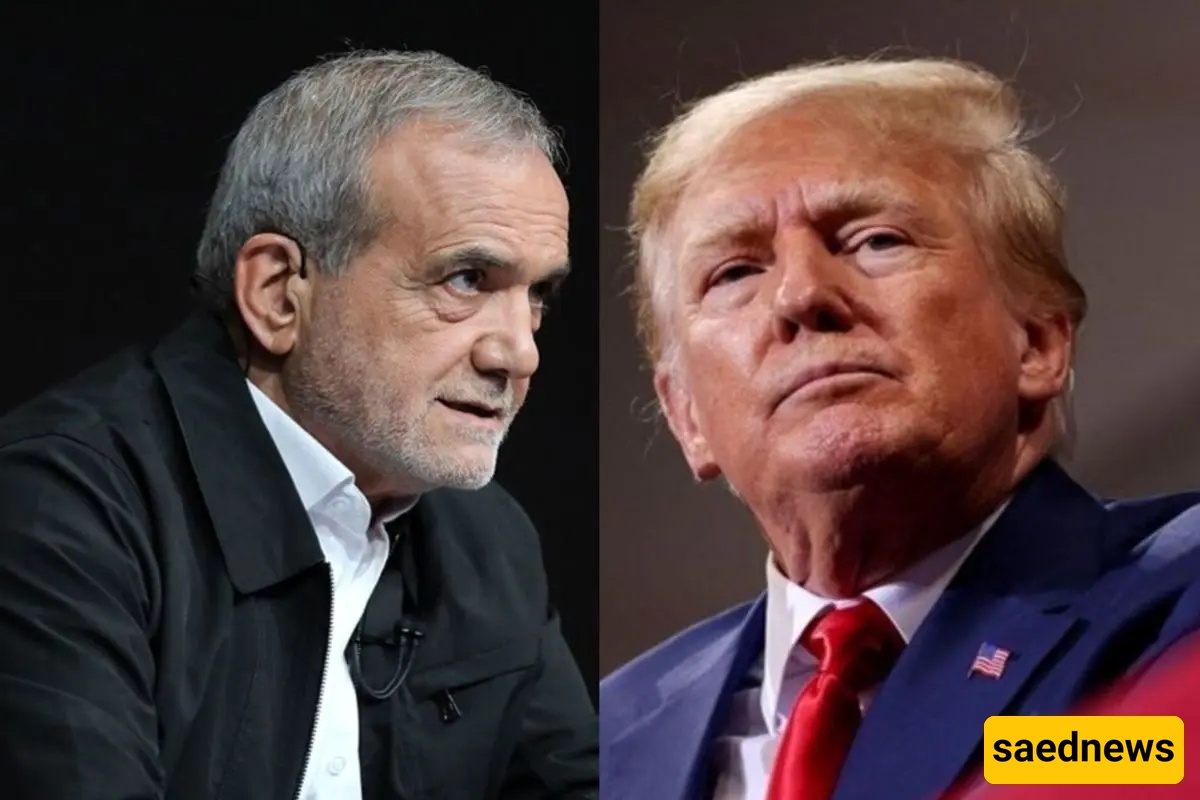
According to the political desk of Saed News, Jomhouri Eslami newspaper wrote:
Iran’s foreign policy has, for years, been suspended between two opposing visions: the ambition to aggressively challenge the global order and the aim to rationally adapt to its rules. Neither path has reached a definitive decision, nor has the other been embraced with genuine commitment.
Within Iran’s political landscape, two main perspectives stand opposed. One camp believes the only way forward is to adopt a more confrontational stance, even moving toward nuclear capabilities. The other argues that Iran should abandon dreams of overturning the global order and instead comply with its rules—however unjust they may be.
The core issue, however, is not this binary itself. The problem lies in the governing system being trapped between these approaches, neither fully committed to challenging the existing order nor able to align with it decisively. The result is a state of suspension, one that the nation and its people ultimately bear the cost of.
This suspension is particularly evident in Iran’s approach to the United States, one of the most fundamental and complex strategic challenges for the Islamic Republic. It cannot be understood through short responses, slogans, or one-dimensional analyses. The U.S. is neither merely a country nor simply an adversary; it possesses distinct geopolitical, historical, institutional, and structural characteristics that define its role in the international system and simultaneously make it a matter of both foreign and domestic policy for Iran.
It cannot be removed from the equation or ignored. Even if a relative decline of the U.S. is accepted, the pace of that decline does not match Iran’s immediate needs, and the weakening or collapse of America does not automatically result in regional or global stability.
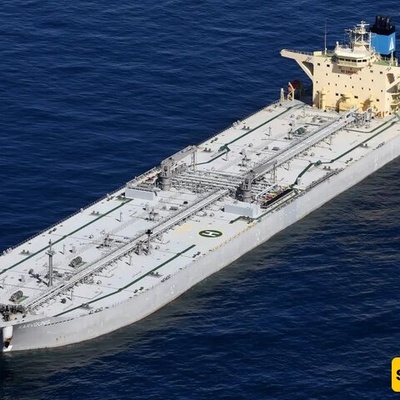
Since the Islamic Revolution, the confrontation between Iran and the U.S. has gradually shifted from indirect political rivalry to more direct encounters—from tanker wars and the downing of civilian aircraft to the invasions of Afghanistan and Iraq. Yet the fundamental weakness in this trajectory has been the lack of a coherent “plan.” There was no comprehensive strategy for resistance, no complementary economic policy, and not even a clear exit strategy from high-cost engagements. Resistance was often inevitable, but without a roadmap, the country merely consumed its own resources.
This lack of planning has manifested in the inability to translate military and security achievements into sustainable political and diplomatic gains. History shows that even victory in war, if not followed by a smart peace, can result in forfeiting accomplishments. Iran, at various points, could have shifted its confrontation with the U.S. to lower-cost levels, but the mindset and institutional capacity for such a transition were absent.
It is also essential to understand what kind of U.S. Iran faces. Enemy-making is systemic within the U.S., embedded in the political economy of a massive military-security apparatus. In this context, Iran confronts not the U.S. economy per se, but its military-security advantages. When the U.S. moves from covert policies to overt military actions, it signals a broken taboo and a change in the level of confrontation—something Iranian policymakers must take seriously.
Two analytical errors have further complicated matters: heroic myth-making around confronting the U.S. and excessive reliance on international law.
International law, at best, serves as a decorative display for the global order rather than a substitute for real foreign policy. Diplomacy without a coherent foreign policy cannot produce meaningful change.
Breaking the current deadlock requires two essential steps. First, achieving national consensus on the principle of changing course—a change impossible without internal agreement. Second, accepting that diplomacy is a long-term process requiring patience.
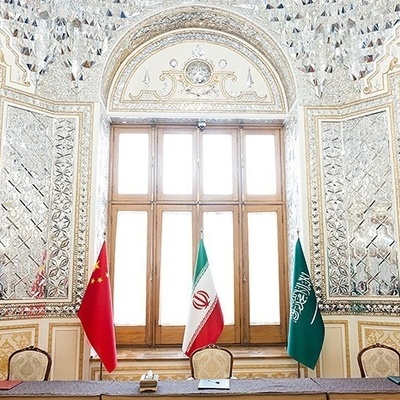
Practical steps are also conceivable: increasing readiness for negotiations, creating diplomatic channels for mutual signaling, improving interaction with the International Atomic Energy Agency, and activating formal and informal communication at multiple levels. Obstacles exist, including U.S. policy volatility, the disruptive role of the Israeli regime, and regional complexities. Yet international actors supportive of stability—from China to energy-focused powers—may provide opportunities to redefine Iran’s path.
A clear picture of the current situation reveals that the main issue in Iran’s foreign policy is not a lack of options, but an inability to make a choice. Strategic decision-making always carries a cost, but indecision may be the most expensive option of all, leading to a gradual and sustained erosion of national power.
Reassessing the path taken reflects institutional maturity. What hinders this reassessment are attachments to past investments, fear of undermining official narratives, and anxiety about opening chains of fundamental questions without simple answers. These dynamics often lead to repeated reliance on short-term, superficial solutions—measures that may appear decisive temporarily but cannot resolve the underlying crisis.
The key point is that without genuine internal dialogue and participation of experts and concerned stakeholders, success is impossible. Foreign policy cannot emerge from a closed circle of decision-makers more focused on defending the past than planning for the future. Until the decision-making process can incorporate critical feedback and objective data, Iran’s foreign policy will remain reactive, episodic, and costly.