SAEDNEWS: Archaeologists still do not know the purpose of these cone-shaped head ornaments, but it seems that the ancient Egyptians regarded them as symbols of sensuality, sexual desire, and related concepts. The oldest graves in which these cone-shaped ornaments have been found date back about 3,300 years.
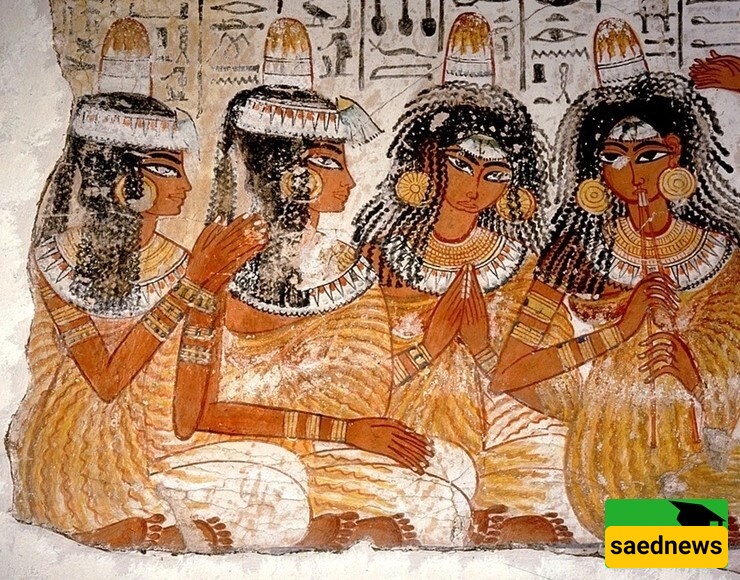
Between 1550 and 30 BCE, many paintings and sculptures in ancient Egypt depicted men and women wearing small conical headpieces atop their heads. The activities shown while wearing these cones varied widely. In the artwork, figures don them during formal funerary ceremonies, hunting, playing music, or even giving birth.
Until recently, archaeologists had only seen these cones in artistic depictions and had never found physical evidence of them in tombs. However, in 2019, a study of ancient history described two burials from the Amarna cemeteries—a significant archaeological site in Egypt that was once the capital. The graves contained skeletons wearing conical headpieces, confirming that these adornments were more than just stylistic motifs left by artists. Analysis revealed that the cones were made of beeswax, and interestingly, the skeletons indicated that their wearers were not wealthy; rather, they appeared to be laborers who suffered from food shortages.

Archaeologists are still uncertain about the purpose of these conical headpieces. One possibility is that they were made from fragrant materials or scented ointments that released a pleasant aroma as they melted. Another theory suggests that, in the beliefs of ancient Egyptians, the cones promoted fertility, as they are often depicted alongside Hathor, the goddess of fertility.
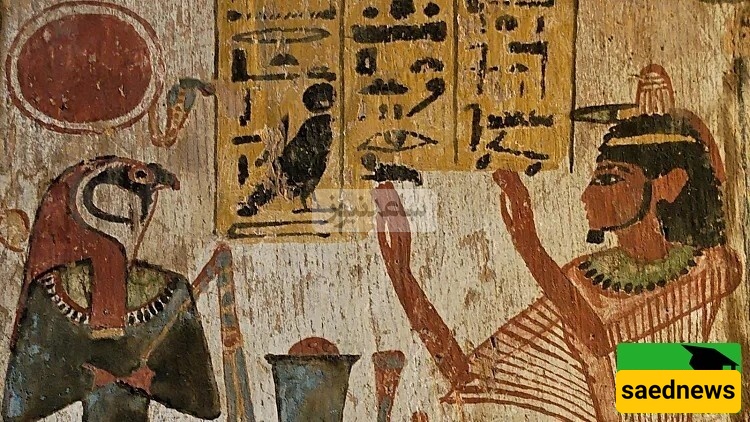
Researchers frequently associate these cones with emotions, sexual desire, and related symbolic concepts, since in many depictions they appear on the heads of women who are sometimes shown nude or engaged in festive activities.





![Amazing Discovery of an Underwater Cemetery and Strange Hospital [Photos]](https://en.saednews.com/storage/files/post/ba04515a-5ee5-4de0-b58a-21d06e75622b-Eb65x2MHjxeUtI2h/1x1-image.jpg)