SAEDNEWS: This Discovery Reveals the Harsh Realities of Life for Rome’s Lower Classes
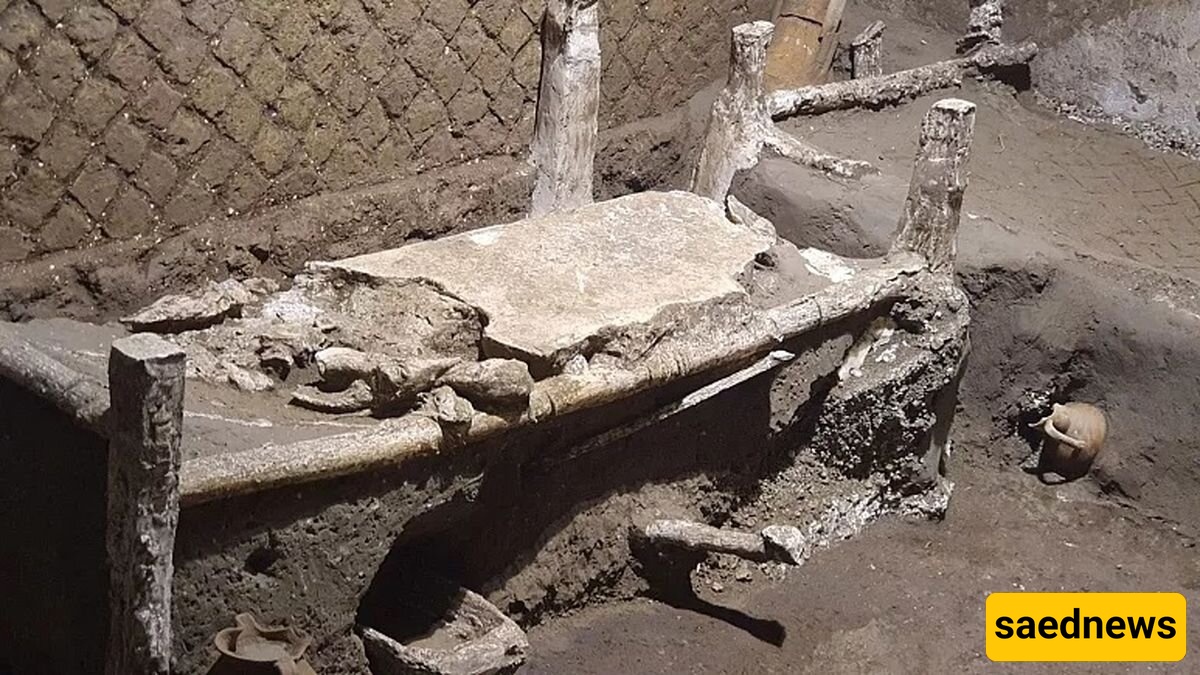
According to Saed News’ society section, a small bedroom, likely used by slaves nearly 2,000 years ago, has been discovered in a Roman villa near Pompeii, Italy. The room is located in the Civita Giuliana villa, about 600 meters north of Pompeii’s ruined city walls.
Inside the room, archaeologists found two beds, one of which still had a mattress. Additionally, there were two small cabinet-like containers along with several jars and ceramic vessels, which contained the remains of two common mice and one rat.
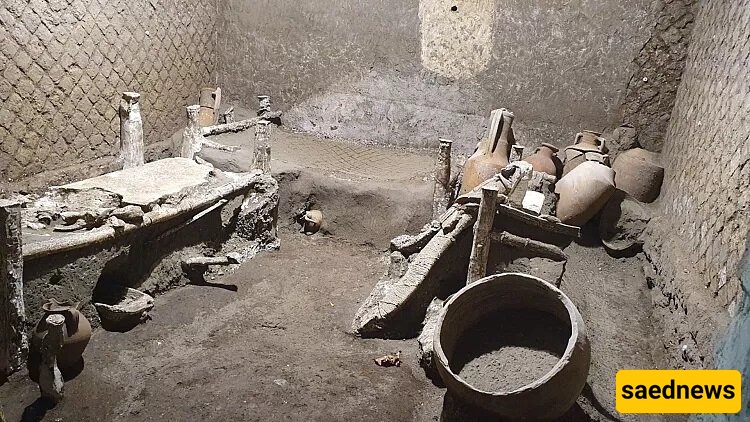
A statement from Italy’s Ministry of Culture noted, “These details once again highlight the poor living conditions and weak hygiene of society’s underprivileged classes at the time.” However, it is noteworthy that no evidence of bars, locks, or chains was found to restrain the room’s occupants.
The furnishings of the room were reconstructed using a unique casting technique applied exclusively in nearby Pompeii. During the eruption of Mount Vesuvius in 79 AD, everything was engulfed by a pyroclastic flow—a deadly cloud of hot gas and rock—which eventually turned into solid ash. As organic materials decomposed over time, they left cavities in the hardened ash, which, when filled with plaster, revealed the original shapes.
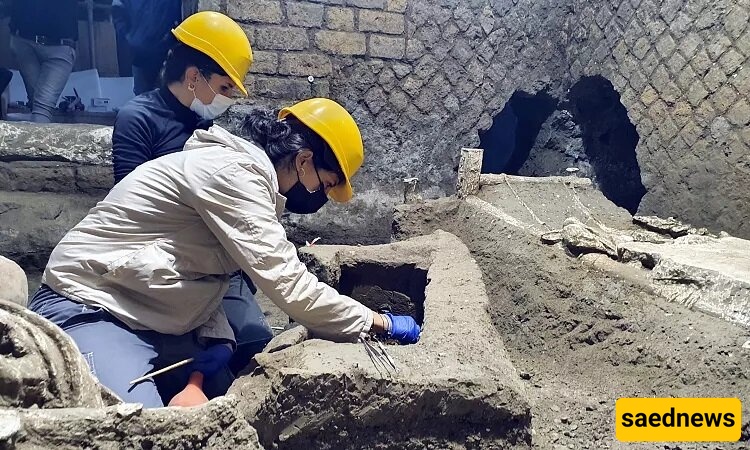
Gabriel Zuchtriegel, director of the Pompeii Archaeological Park, explained, “Casting the voids left in the volcanic ash layer with plaster allows us to create an approximate image of the room in which servants and slaves likely lived.”
Excavations at the Civita Giuliana villa originally took place in 1907–1908. However, after authorities discovered evidence of unauthorized digs and looting, work at the site resumed in 2017.