SAEDNEWS: Ancient 2,000-Year-Old Inscription Honoring a Wrestler Unearthed in Southern Turkey’s Anemurium
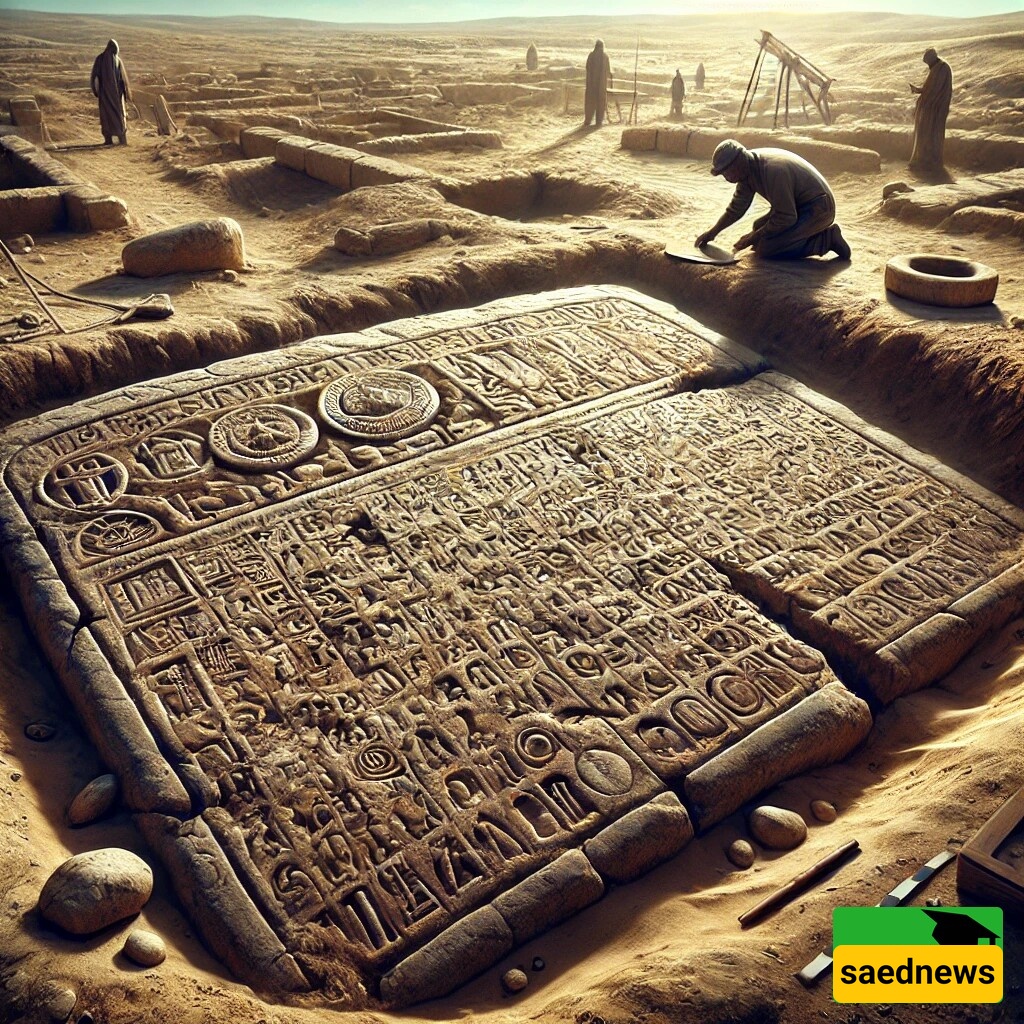
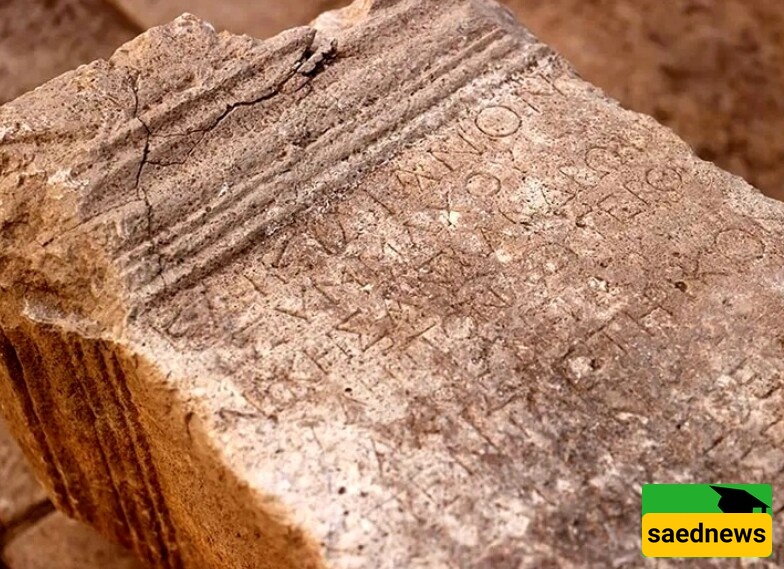
According to the History and Culture section of Saed News, archaeologists excavating the ancient city of Anemurium in Mersin, southern Turkey, have discovered a 13-line inscription honoring a wrestler from the era, believed to date back some 2,000 years.
The city was likely founded by the Phoenicians in the 4th century BCE. During the Roman Empire, its proximity to Cyprus made Anemurium an important commercial hub. Significant structures from that period still stand today.
Excavation, research, and restoration efforts are ongoing across a 600-hectare site under the direction of Professor Mehmet Teköjat. The 2,000-year-old inscription was uncovered as part of these ongoing digs.
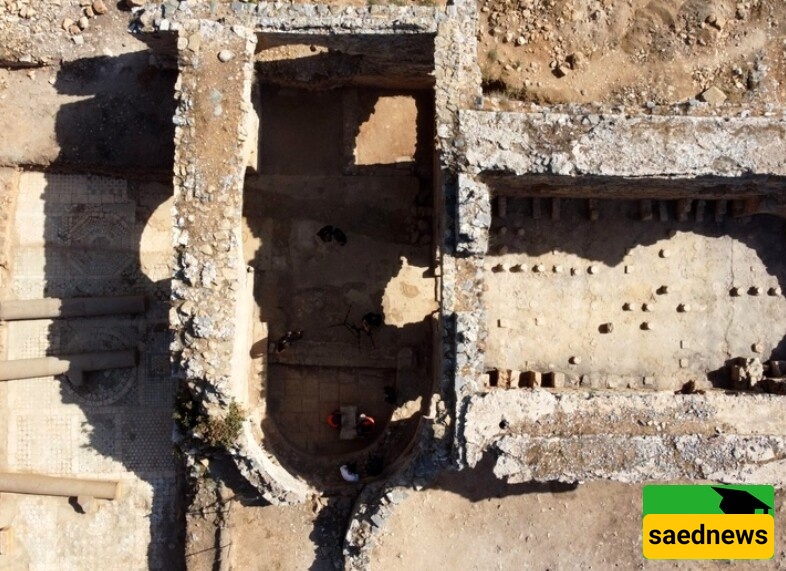
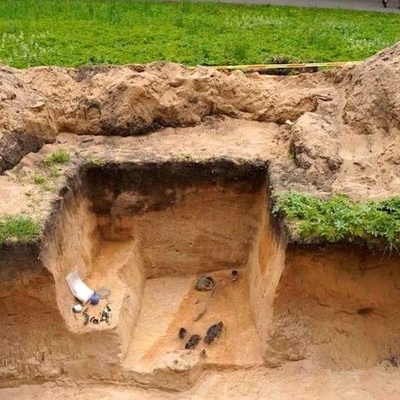
The remains of the ancient mansion where the 2,000-year-old inscription was discovered
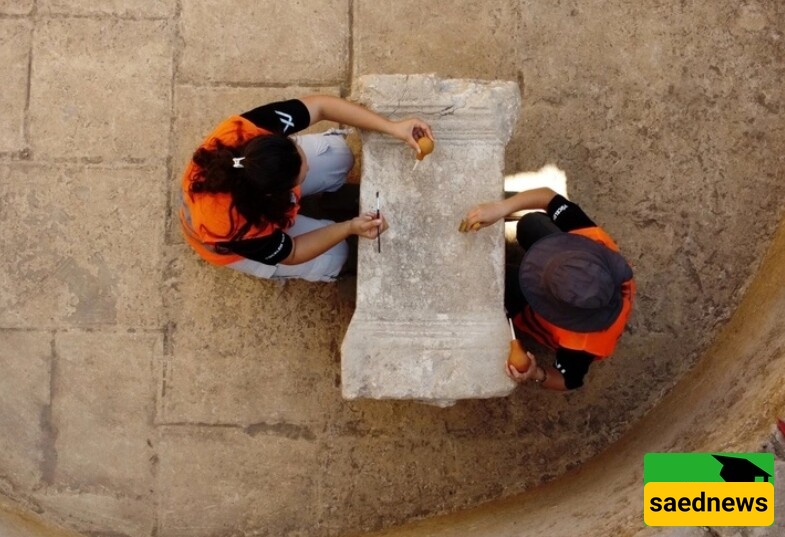
The discovery took place in Pander Bath, where the excavation team had been working nonstop for 12 months. The stone inscription, featuring 13 lines of text, measures 120 centimeters in height and 50 centimeters in width.
The inscription celebrates a wrestler named “Kaikilianus,” who won first place in the second iteration of a wrestling competition held every five years by a prominent local figure.
Ali Hamza, governor of Mersin, expressed excitement upon seeing the remarkable artifact:
"This inscription shows that a wrestling competition took place here in the 2nd century CE. A wrestler named Kaikilianus achieved success, and this inscription was created in his honor. The discovery highlights the city’s vibrancy at the time and the importance of sporting events, especially wrestling. Historical records and archaeological evidence confirm that competitions, both local and Olympic, were held in this era. Awards given to participating athletes reflect the value placed on sport during that time."
According to the excavation team:
"We are discovering, for the first time, a solid inscription composed of 13 lines. It is engraved on a piece of stone that served as a table or statue base. The exciting part is that it contains the name of the event organizer, the winner, and the category."
"We learned that a man named Flavianus held a competition bearing his name every five years. In the second edition, Kaikilianus became champion in the adult wrestling category. This athlete not only won the prize but was notable enough to have an inscription created in his honor. A statue of him may have once stood atop this inscription, and he may have earned further accolades in other competitions."
Teköjat noted that previous inscriptions indicate Anemurium was a center for training athletes in antiquity. Athletes from this city competed nationally and internationally, earning awards for their achievements. Thus, Anemurium was not only a Mediterranean trade port but also likely an important hub for athletic training in the ancient world.
The archaeology team hopes continued excavation will shed more light on the city’s role in sports and culture.