SAEDNEWS: Argan therapy is a hair treatment that uses natural argan oil to repair damage from chemicals, heat, split ends, and breakage, helping restore soft and shiny hair. It is a simple method that can also be done at home.

According to a report by SaedNews Family Magazine, maintaining the beauty and health of skin and hair has become a major concern in modern life. People are constantly exposed to a flood of correct and misleading advertisements about hair and skin care. The challenge is identifying which of these claims are truly effective and which exist solely for commercial gain.
Amid this information overload, natural products are often considered a safer and more balanced alternative with fewer harmful side effects. One such product is argan oil — a substance that has gained widespread attention in recent years.
Argan oil is a natural oil extracted from the kernels of the argan tree, which is native to Morocco. It is used both directly on the skin and hair and indirectly as an ingredient in cosmetic and health products. Its use has increased significantly due to its beneficial properties, including:
Protecting the skin from sun damage
Moisturizing skin and hair
Helping treat skin conditions such as psoriasis and rosacea
Reducing acne and skin infections
Supporting wound healing
Improving hair condition
One of the most common uses of argan oil is in hair therapy.
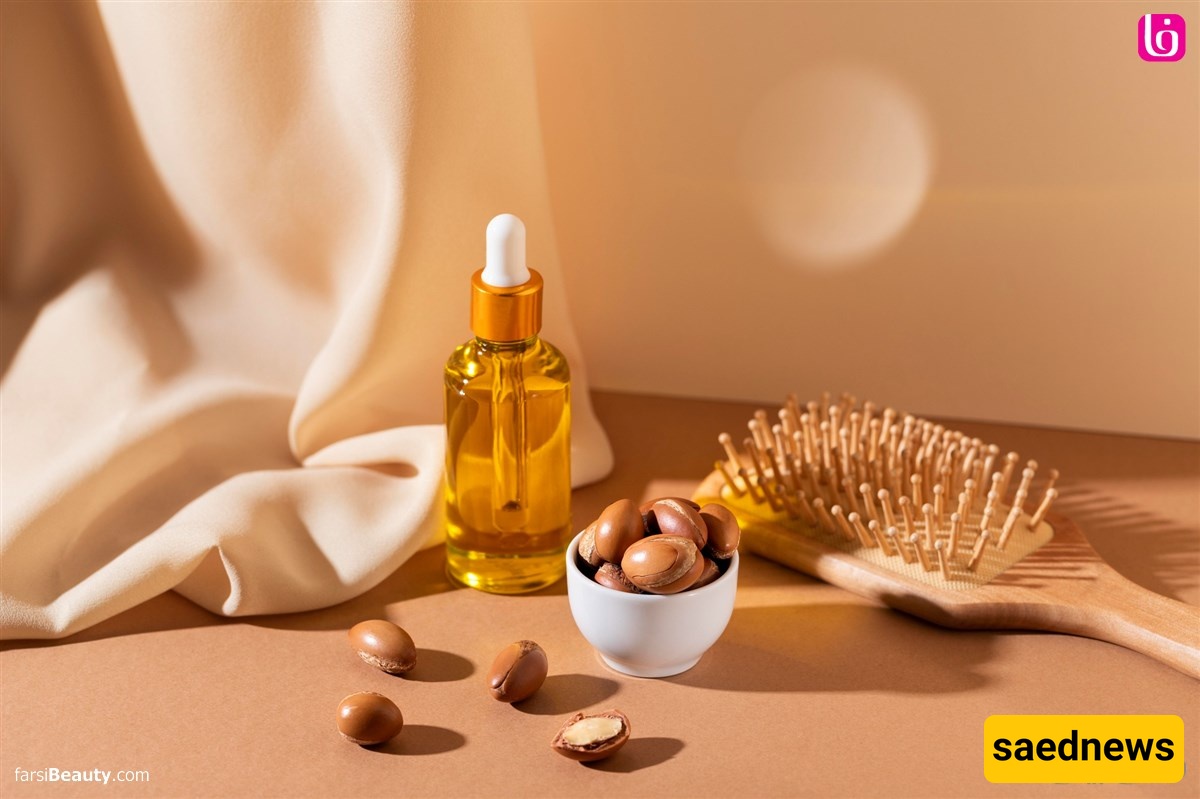
Hair is constantly exposed to chemical treatments, environmental pollution, heat styling, and frequent coloring. Over time, this can cause dryness, brittleness, split ends, and loss of shine — signs that hair has lost essential nutrients.
Hair therapy refers to the application of nourishing protein- and vitamin-based treatments to restore damaged hair. These treatments should ideally be performed under professional guidance, as improper use can worsen hair damage.
Common types of hair therapy include:
Argan therapy
Caviar therapy
Butter therapy
Botox therapy
These treatments are intended for damaged hair, not healthy hair that is already smooth, shiny, and intact.
Argan therapy is a method in which argan oil is applied to repair damage caused by hair dye, bleaching, heat styling, split ends, and breakage. The goal is to restore softness, shine, and strength.
A typical argan therapy process includes:
Washing the hair thoroughly
Applying argan oil to damp hair
Massaging the oil into the hair
Wrapping the hair in a towel
Removing the towel after 10 minutes
Drying gently with warm air
This process helps seal moisture into the hair shaft and improves oil absorption.
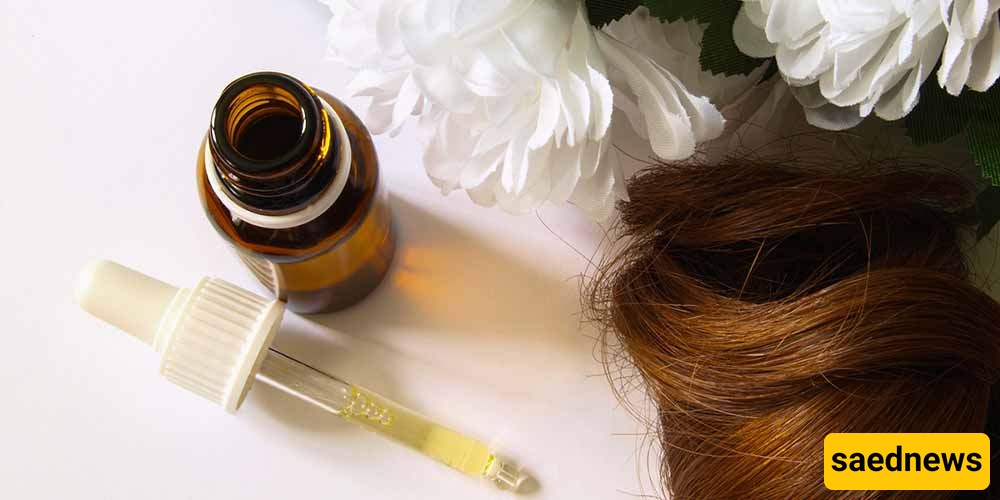
Moisturization:
Argan oil is rich in oleic and linoleic acids, which help retain moisture and prevent dryness.
Scalp health:
Its anti-inflammatory and antioxidant properties may help improve scalp conditions such as psoriasis, seborrheic dermatitis, and dandruff.
Protection from styling damage:
Argan oil forms a protective layer that reduces heat damage, breakage, and split ends. Studies suggest it can also reduce damage from hair coloring.
Sun protection:
Antioxidants in argan oil protect against UV-related damage, helping prevent dryness and brittleness.
Hair loss prevention:
Although there is no direct evidence that argan oil treats hair loss, its vitamin E and antioxidants support scalp health and reduce breakage, which may help minimize shedding.
Just like internal organs require proper care through nutrition, external features such as skin and hair also need consistent and thoughtful maintenance. Using appropriate routines, avoiding excessive chemical treatments, and choosing natural products can help preserve their health and appearance. By adopting informed and balanced care practices, people can maintain both the beauty and health of their skin and hair over time.