SAEDNEWS: In Girsu, Iraq, archaeologists uncovered two temples, one atop the other. The newer, linked to Zeus, bears an inscription mentioning the “creator of two brothers,” likely Alexander and Hercules—hinting at Alexander’s role in its reconstruction.
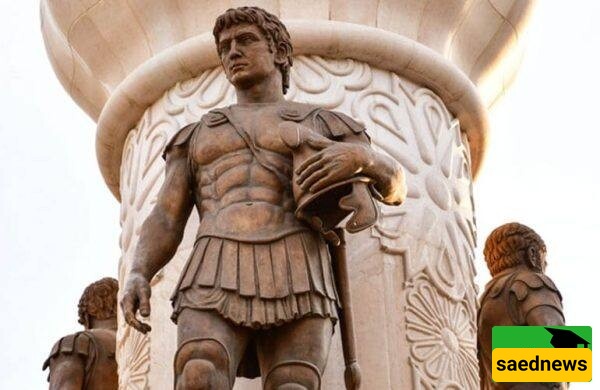
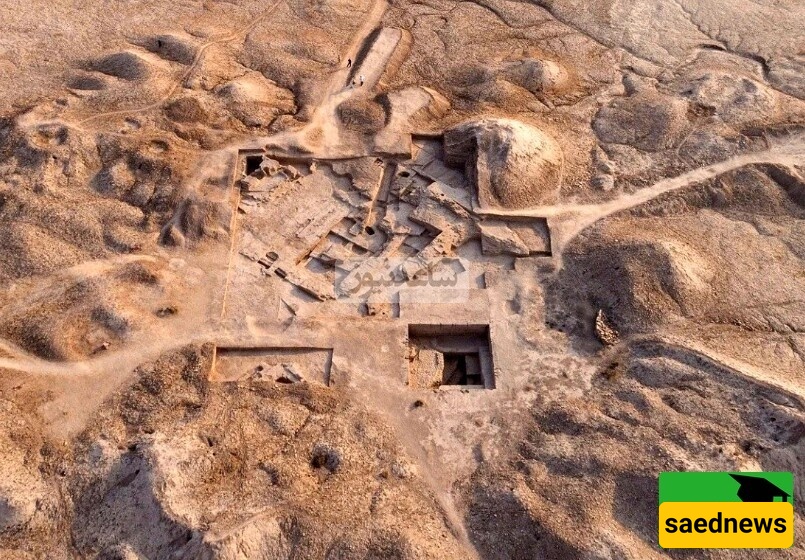
According to the History and Culture section of Saed News, remains of two temples have been uncovered in the latest archaeological excavations at the ancient city of Girsu in Iraq. Remarkably, one temple was built atop the ruins of the other. The newer temple dates to the 4th century BCE, a period when Alexander the Great briefly ruled this region, leading archaeologists to speculate about a possible connection.
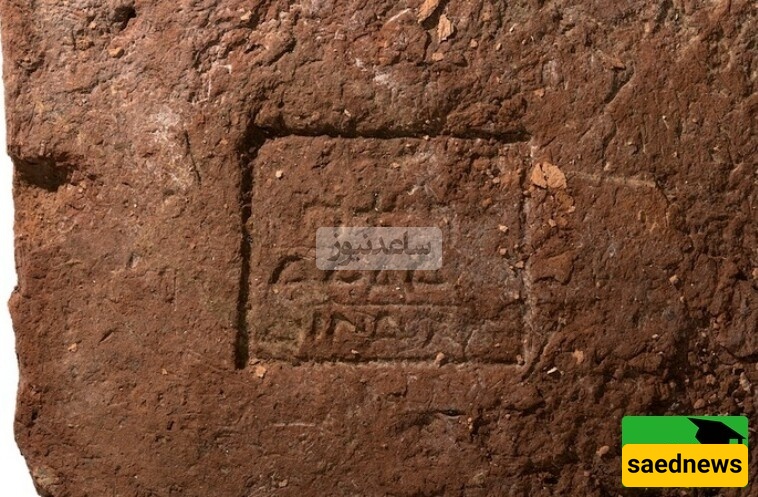
Inside the temple, researchers discovered a baked brick inscribed in both Aramaic and Greek, referring to the “Creator of Two Brothers”—a potential nod to the Macedonian king.
Meanwhile, British Museum archaeologists working at the site unearthed the remains of the older temple. These excavations are part of the museum’s ongoing investment in the “Girsu Project,” which aims to deepen understanding of the city’s ancient history. The older temple lay buried directly beneath the newer one, suggesting that the location’s significance persisted for at least 1,500 years. The site likely held special importance for travelers from Mesopotamia.
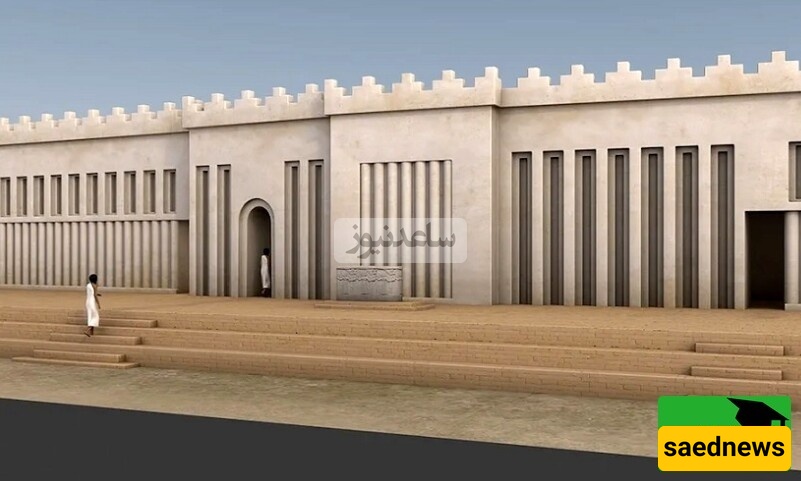
A model of the Hellenistic temple at Girsu, dedicated to Hercules, may also be tied to Alexander the Great.
During their work at the twin temple complex, archaeologists discovered a silver dram (an ancient Greek coin) buried beneath the altar alongside the inscribed brick. According to the lead excavator, the inscription is remarkable: it references a Babylonian name, Adadnadinakhe, in both Aramaic and Greek. This name appears to have been chosen for its symbolic meaning and ancient resonance, functioning as an honorary title. Evidence suggests that it was exceptionally rare.
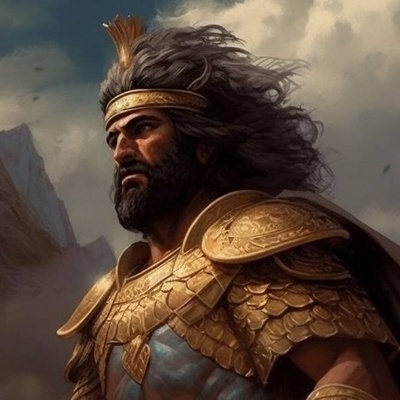
The inscription also references Zeus, typically depicted with an eagle and a thunderbolt—both symbols appearing on the unique coin. The text implies that Zeus acknowledged Alexander as his son, and, through this confirmed brotherly link between Hercules and Alexander, Zeus becomes the “Creator of the Brothers.”
These discoveries suggest that Alexander may have played a direct and active role in reconstructing the temple. In addition to handcrafted items, archaeologists found votive offerings traditionally given after battles, including terracotta soldier figurines.