SAEDNEWS: Food particles and dental plaque gather in narrow, elevated grooves that are usually found on the occlusal surfaces of the back teeth. The buildup of these substances can lead to gum swelling or inflammation. Dental plaque is a type of biofilm…
Gum swelling and inflammation are usually caused by bacterial infections. If left untreated, this inflammation can develop into a more serious infection called periodontitis. Both gum swelling and periodontitis are leading causes of tooth loss in adults.
Ignoring gum swelling may cause the gums to pull away from the teeth, damaging the soft tissue and the underlying bone. This can lead to loose teeth and, if the infection progresses, eventual tooth loss.
Factors that increase the likelihood of gum swelling include:
Smoking or chewing tobacco
Diabetes
Certain medications (birth control pills, steroids, anticonvulsants, calcium channel blockers, chemotherapy drugs)
Crooked or misaligned teeth
Use of inappropriate dental materials or tools
Broken or damaged fillings
Pregnancy
Genetic predisposition
Weakened immune system (e.g., HIV/AIDS)
Common signs of gum swelling include:
Red, swollen gums
Bleeding while brushing or flossing
Gums separating from teeth
Loose teeth
Changes in how upper and lower teeth fit together
Pus between teeth and gums
Pain while chewing
Tooth sensitivity
Bad breath
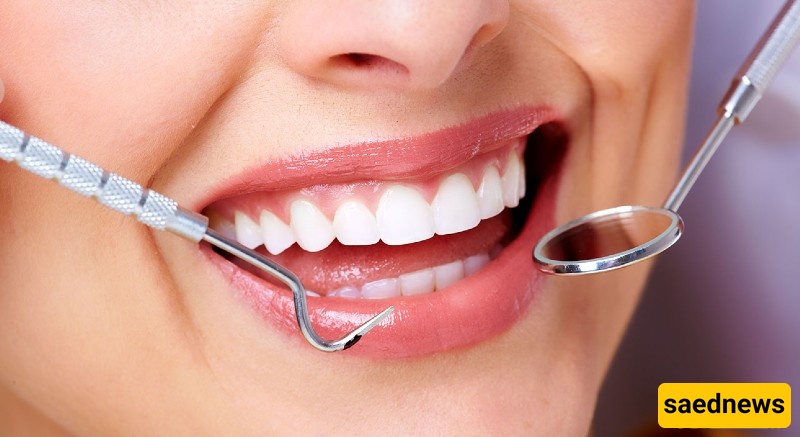
During a dental exam, the gums are measured using a small ruler to check for inflammation and any pockets or cavities around the teeth. Dentists may also use X-rays to assess tooth stability and bone health.
Proper oral hygiene is essential for treating gum swelling. Additional steps include quitting smoking and controlling underlying conditions like diabetes. Treatments may include:
Several methods can remove plaque and tartar without surgery:
Scaling: Removes tartar above and below the gum line.
Root Planing: Cleans tartar from the tooth root and smooths root surfaces.
Laser Therapy: Often causes less pain and bleeding than scaling or root planing.
Antibacterial mouthwash containing chlorhexidine
Topical chlorhexidine applied after root planing
Oral antibiotics such as minocycline or doxycycline
Gum Flap Surgery: Temporarily separates the gums from teeth to remove tartar.
Bone and Tissue Grafts: Used when teeth and jawbone are severely damaged.
Pregnant or breastfeeding women and those with certain medical conditions should consult a doctor before trying home remedies.
Dissolve ½ teaspoon of salt in a glass of warm water.
Rinse your mouth for 30 seconds, then spit out.
Repeat 2–3 times daily.
Add 2–3 drops of lemongrass essential oil to a cup of water.
Swish for 30 seconds, then spit out.
Repeat 2–3 times daily.
Gargle with aloe vera juice for 30 seconds, then spit out.
Repeat 2–3 times daily.
Avoid if allergic to aloe vera.
Add 3 drops of tea tree oil to a cup of warm water.
Swish for 30 seconds, then spit out.
Repeat 2–3 times daily.
Use a very diluted solution initially to prevent irritation or allergic reactions.
Boil 1–2 cups of water and add 2 tablespoons fresh or 1 teaspoon dried sage.
Simmer for 5–10 minutes, strain, and let cool.
Rinse 2–3 times daily.
Place 1–2 teaspoons of coconut oil in your mouth.
Swish for 20–30 minutes without swallowing.
Spit out the oil, rinse with water, drink a glass of water, and brush your teeth.