SAEDNEWS: Taking birth control pills is a hormonal method of preventing pregnancy. These pills can cause side effects, which may appear differently in different individuals.
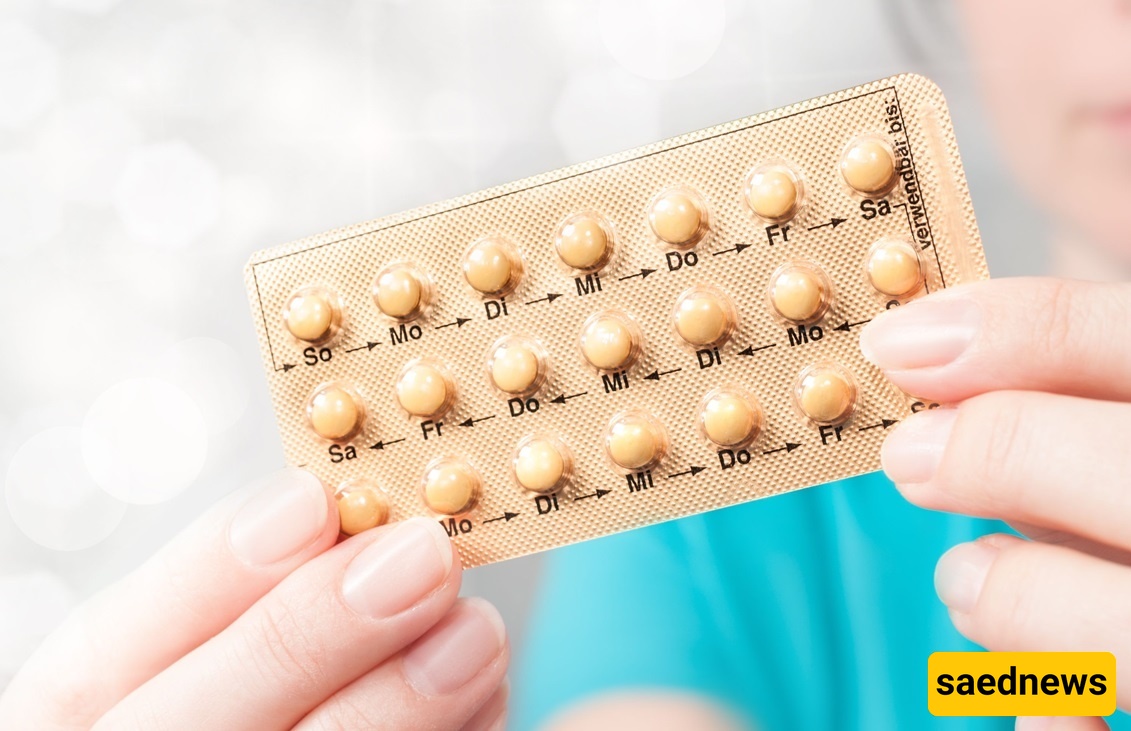
According to the Family Magazine service at SaedNews, taking birth control pills is a hormonal method of preventing pregnancy. These pills can cause side effects that manifest differently in different individuals. Birth control pills prevent the body from producing eggs, meaning there is no egg available for fertilization by sperm, and pregnancy is not possible. To choose the right option, it is important to consult a gynecologist and be aware of the potential side effects.
This article explains the various side effects of birth control pills. Before using them, you should know how different types of pills can affect your body. Reading this article will take about 5 minutes.
Sometimes, birth control pills can cause spotting, which is light bleeding between menstrual periods. These spots are usually brown. Spotting is one of the most common side effects of LD pills and other types of birth control pills. It occurs as the body adjusts hormone levels and the uterus attempts to thin its lining.
For first-time LD pill users, the pills are usually taken once daily at a specific time, depending on the type. Follow the instructions on the leaflet or consult a pharmacist or gynecologist. Proper use reduces the likelihood of spotting.
If your natural menstrual cycle is disrupted by the pill, discuss cycle adjustments with your doctor.
Some people may experience mild nausea after taking birth control pills, which usually fades over time. Taking pills with food or before sleep can reduce nausea. Severe or persistent nausea is not normal and requires medical attention. This can also occur with Cyble pills.
Breast sensitivity is a common early side effect. Wearing a supportive bra can help. Hormones in the pills may also cause slight breast enlargement. If pain or lumps occur, consult a doctor. Roquin pills are known to cause breast tenderness.
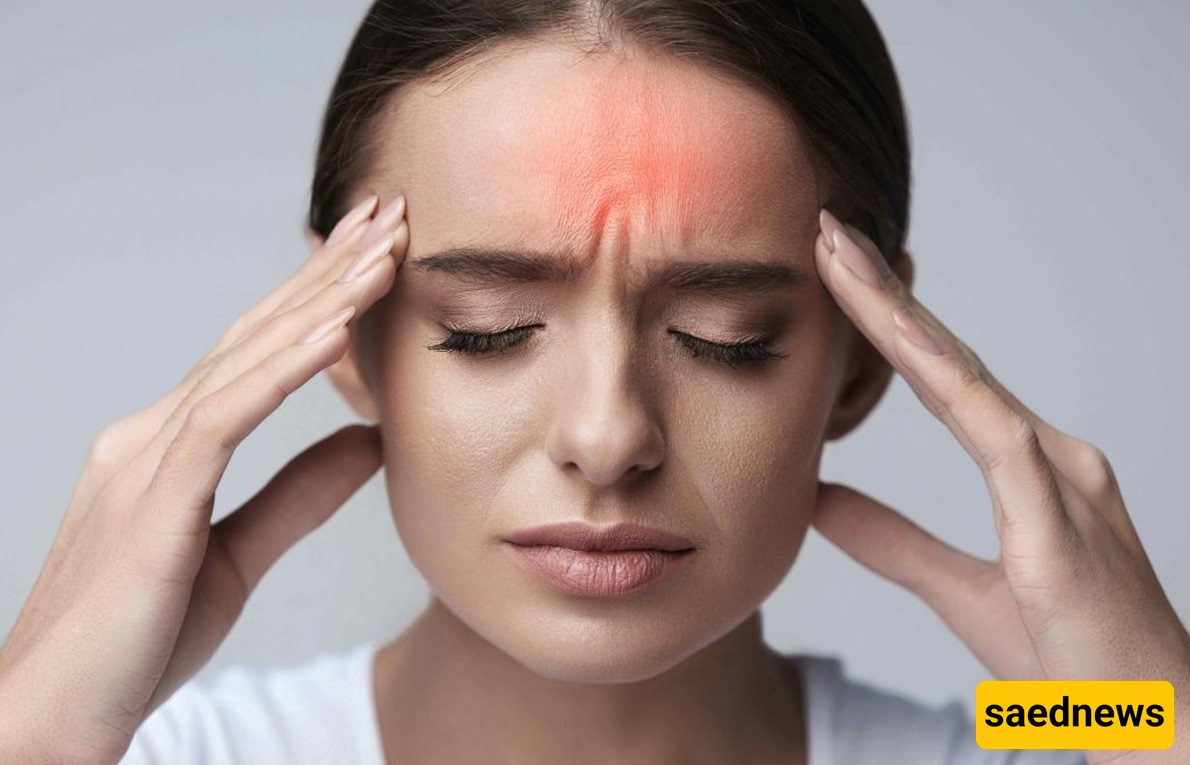
Hormonal pills can trigger headaches and migraines, sometimes increasing their frequency. Changes in estrogen and progesterone levels can contribute. LD pills generally do not cause headaches, but emergency levonorgestrel pills may. For those with PMS-related migraines, some birth control pills may relieve pain.
Research has not definitively linked birth control pills to weight gain, though some fluid retention and minor changes in fat or muscle mass may occur. Some users may experience weight loss instead. Ovuset LD pills may cause weight changes.
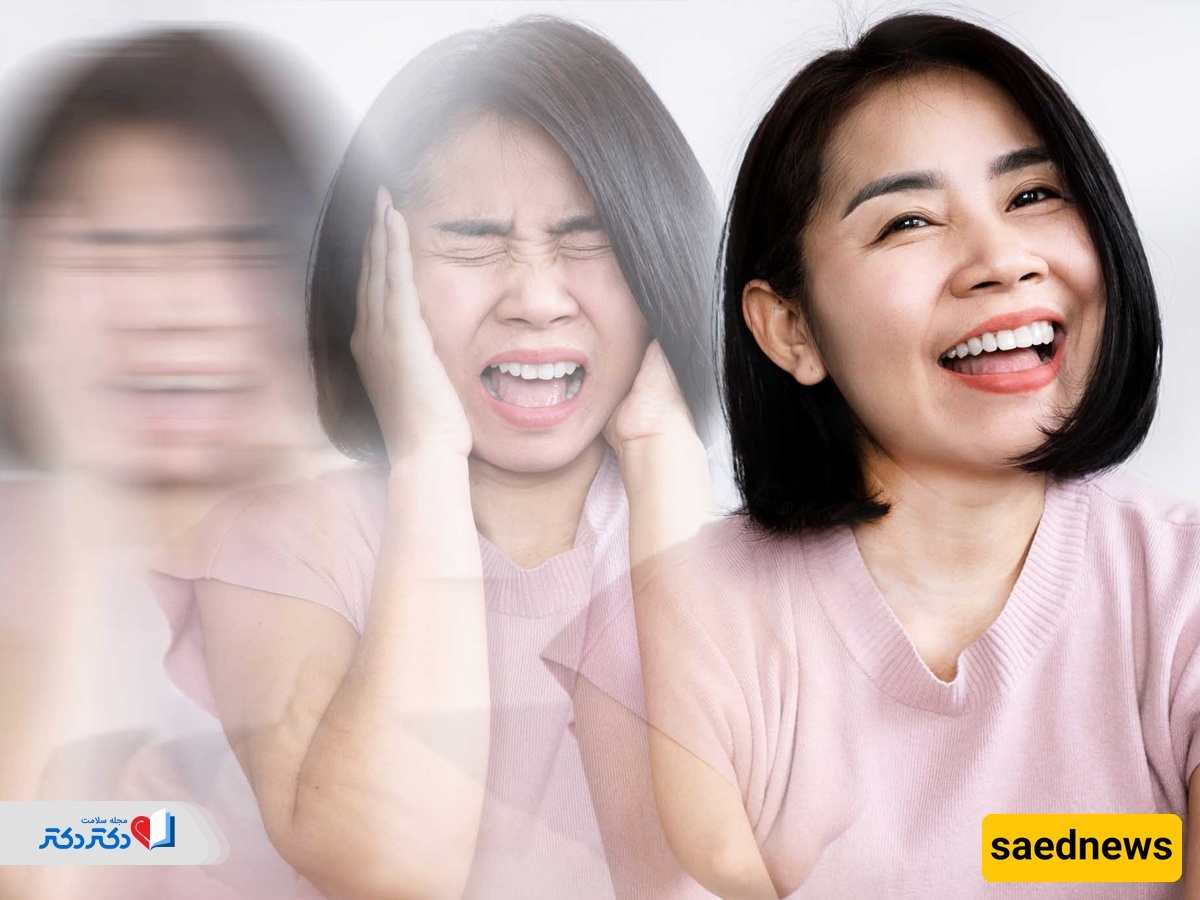
Hormones significantly affect mood. Pills like Dezolest can cause emotional changes. Switching types under gynecologist guidance may resolve these effects. Marolin pills are also known to cause mood fluctuations.
Birth control pills can sometimes stop periods temporarily. Factors like stress, illness, travel, hormonal imbalances, or thyroid disorders may contribute. Monitoring and consulting a doctor is important. Pills for PMS symptom management should be taken under medical supervision.
Hormonal changes may decrease sexual desire. In some cases, confidence in preventing pregnancy can increase libido.
Pills may alter vaginal secretions. If dryness occurs, use lubricants during sex. Discharge changes are normal, but unusual color or odor may indicate infection.
Some studies show that birth control pills may thicken the cornea, affecting contact lens use. Discuss with your doctor if this occurs.

Women often worry about side effects of oral contraceptives (OCPs), including reduced libido, nausea, spotting, and increased body hair. Side effects vary depending on the type of pill: combined (estrogen and progesterone), monophasic, multiphasic, extended-cycle, progesterone-only, LD, and emergency contraceptives. Effects usually subside after 2–3 months but may persist.
Breastfeeding users should be aware that emergency pills may affect milk volume. Always consult a doctor before use.
LD Pills: Gallbladder issues, excess hair growth, breast tenderness, acne, weight changes, spotting, nausea, mood swings, headaches, decreased libido, changes in vaginal discharge, vision changes, blood clots.
HD Pills: High blood pressure, skin discoloration, swelling, breast sensitivity, gallstones, nausea, vomiting, mild/severe headaches, weight gain, irregular bleeding, acne, hirsutism.
Roquin Pills: Nausea, sweating, headaches, breast tenderness, spotting, swelling, muscle weakness.
Marolin Pills: Liver damage, appetite loss, nausea, pale stools, dark urine, jaundice, fatigue, stroke, skin rashes, hives, facial swelling, blood clots, gallbladder issues, severe stomach pain, mood changes, unusual vaginal discharge, migraines, high blood pressure.
Levittod Pills: Nausea, vomiting, headaches, bloating, breast sensitivity, ankle swelling, weight changes, irregular bleeding, missed periods.
Drosbelin Pills: Blood clots, heart attack, stroke.
Emergency Levonorgestrel Pills: Dizziness, nausea, irregular periods, headache, stomach pain.
Emergency Ovosys Pills: Nausea, dizziness, severe abdominal/breast pain, post-use bleeding (requires follow-up).
Roja Pills: Mood changes, migraines, nausea, breast pain, unexpected uterine bleeding, unexplained vaginal bleeding.
Nervous System: May affect limbic system signaling, causing anxiety or depression.
Pregnancy: Early use does not increase the risk of birth defects.
Breastfeeding: Levonorgestrel does not affect milk production or infant development.
Skipping Periods: Safe and not harmful.
Men: Not recommended; minimal effects may occur, such as broader pelvis or breast tissue changes.
Short-Term (first 3 months): Spotting, breast tenderness, nausea, digestive issues, mood swings, headaches, minor weight gain, vaginal discharge changes, blood clot risk.
After Age 40: Higher risk of blood clots, cardiovascular problems, hypertension, increased risk for smokers, effects on bone density, altered glucose metabolism.
Long-Term Use: Slightly increased breast and cervical cancer risk, reduced ovarian and uterine cancer risk, vitamin and mineral deficiencies (B vitamins, C, magnesium, zinc), gallbladder disease, long-term libido changes, persistent melasma, cardiovascular effects.
Impact on Marriage Tests: LD pills do not interfere with routine pre-marriage tests, such as addiction, syphilis, or thalassemia screening.
For managing side effects, consult gynecologists, obstetricians, or fertility specialists. Expert care is widely available across Iran, with many doctors offering both in-person and online consultations.
Combined LD pills may increase the risk of cardiovascular events like stroke, heart attack, or blood clots. Individuals with untreated hypertension or a family history of heart disease should consult a specialist. Hormonal fluctuations may also slightly raise the risk of cancers such as breast, ovarian, cervical, and colorectal cancer.