SAEDNEWS: Every Day, We See People Embarrassed by Bad Breath—But What’s Behind It?
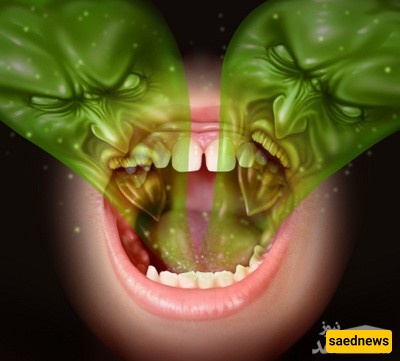

Every day, we see people at work, in taxis, buses, or the subway embarrassed and saddened by bad breath. What causes this unpleasant odor? You might immediately think of an empty stomach or a decayed tooth, but that isn’t always correct. Bad breath can sometimes signal serious and even life-threatening health issues. In this section, Saed News explains some common causes of bad breath and ways to address it.
Generally, bad breath can originate from nine different underlying health conditions, though most people mistakenly attribute it solely to oral or throat infections and overlook the real cause.
Bad breath, or halitosis, can stem from either intraoral (inside the mouth) or extraoral (outside the mouth) sources. It can result from gases produced by the digestive or respiratory system and may be either physiological or pathological.
Kidney issues: In people with chronic kidney failure undergoing dialysis, bad breath occurs due to elevated uric acid levels, which release urea and acetone.
Dental problems: Diseases and decay affecting teeth and the supporting tissues can lead to persistent bad breath.
Diet: Foods like garlic and onions can temporarily cause bad breath. Quitting smoking and drugs also helps reduce it.
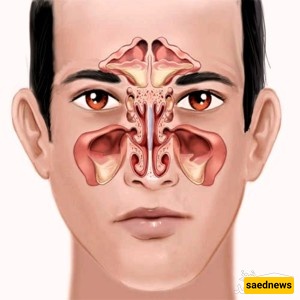
Liver, lung, gastrointestinal, pancreas, and ENT conditions may contribute and should be evaluated.
Food accumulation in oral cavities: Diverticula in the throat and sinuses can trap food; if microorganisms proliferate, bad breath develops. Gargling with salt water after meals is recommended.
Diabetes: Poorly controlled blood sugar weakens the body’s ability to fight bacteria that cause gum infections, which in turn causes bad breath.
Kidney failure indicators: Breath that smells like fish, ammonia, or urine may indicate kidney problems rather than just dietary choices.
Morning breath: Reduced saliva production during sleep allows bacteria to grow, producing odor. Keeping the mouth open for long periods at night can worsen this.
Digestive reflux: Acid reflux or delayed stomach emptying causes food to stagnate and decompose, resulting in bad breath.
Respiratory infections: Flu, bronchitis, and sinus infections are primary contributors.
Dental decay: Food particles trapped in cavities foster bacterial growth and odor.

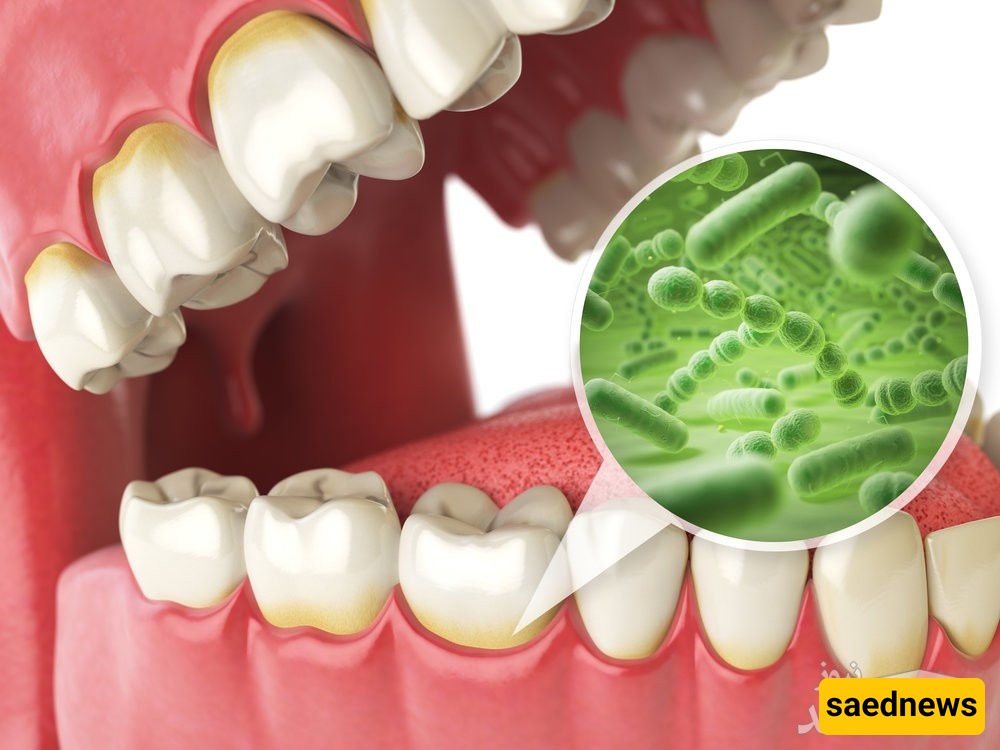
Brush and rinse: Brush teeth regularly and use mouthwash after consuming carbohydrate-rich foods.
Consume honey vinegar syrup (Sekanjabin): For persistent bad breath linked to poor digestion, drinking Sekanjabin made with vinegar and honey can help.
Sea salt and seashell ash: For bad breath caused by dental decay, applying a mix of sea salt, seashell ash, and ocean foam can reduce odor.

Gargle with vinegar or herbal infusions: For gum-related odor, gargling with vinegar or a mixture of vinegar and myrtle (or other herbs) can be beneficial.
Use soaked apricots or barley flour: Digestive issues may contribute to bad breath. Soaking apricots in water or consuming roasted barley flour with a little sugar can help neutralize odor.


Mouth fresheners or aromatic foods like cardamom, cinnamon, orange blossom, or rosewater may temporarily mask bad breath, but they do not address the underlying cause. True treatment requires identifying and resolving the root health issue.