SAEDNEWS: Judo, a martial art originating from Japan, is part of the same family as karate, taekwondo, and kung fu. However, it stands out as very different from other martial arts because punching and kicking are strictly prohibited.
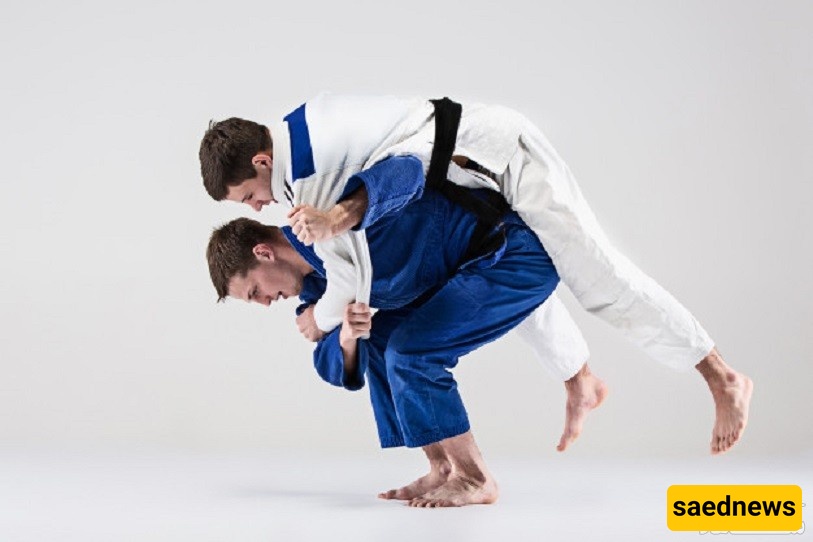
Judo is a martial art that emphasizes grappling, with the primary goal of throwing, capturing, controlling, or even immobilizing an opponent to force their submission. The main focus of judo is on using the opponent’s strength against them to achieve this outcome. Judo is not only a physical contest but also a mental one; a successful judoka must be able to anticipate their opponent’s moves and respond appropriately with quick, strategic reactions.
Many people begin practicing judo at a very young age, often around 5 or 6 years old, while others continue the practice well into their 60s or 70s.
Judo improves overall physical fitness and increases strength. For many practitioners, it also fosters self-confidence, inner discipline, and self-control—skills that are valuable in daily life. Parents often appreciate this sport because it teaches children discipline and respect. Beyond maintaining fitness and physical refinement, judo provides exceptional self-defense skills.
Judo competitions are held weekly at local, regional, national, and international levels for those interested in competitive fighting. The sport maintains uniform practices worldwide, meaning that training and competition are conducted in the same way in every country. Judo became the first martial art to gain global recognition at the Olympic Games, debuting in Tokyo in 1964. Today, approximately 175 countries participate in judo competitions, making it one of the most widely practiced and high-profile Olympic sports.
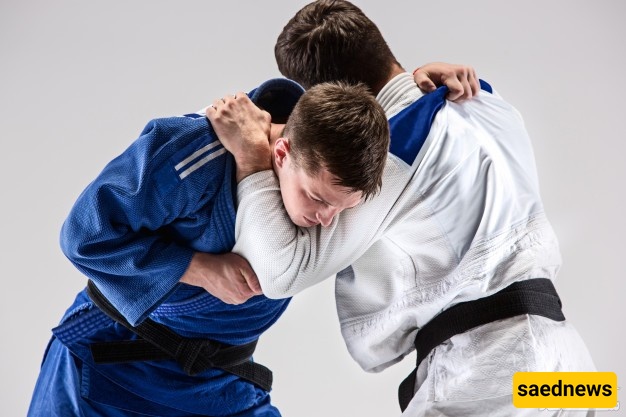
Dr. Jigoro Kano, the founder of judo, designed the sport to extend its techniques into everyday life. Through judo training, athletes can develop physical strength, flexibility, and cardiovascular health.
Judokas often have superior focus compared to average individuals and can apply this enhanced concentration in various aspects of life. Judo teaches athletes to maintain calm under pressure, manage their emotions, and handle challenges rationally, without stress or panic. It also trains them to defend themselves effectively against aggression.
The advantages of practicing judo are extensive:
Physical Fitness: Judo develops exceptional overall fitness.
Efficiency: Practitioners learn to achieve maximum results with minimal effort.
Strength and Flexibility: Regular training increases both power and agility.
Mental Discipline: Judokas develop the ability to remain calm under pressure and think clearly in difficult situations.
Enhanced Focus: The sport strengthens concentration and memory, useful both in judo and in everyday life.
Stress Management: Practicing judo reduces stress and helps maintain emotional control.
Self-Defense Skills: Judo equips individuals to protect themselves effectively.
Longevity and Lifelong Benefits: Consistent practice impacts overall health, potentially contributing to a longer life.
Judo’s holistic approach—combining physical, mental, and strategic training—makes it a lifelong practice that positively influences every aspect of a practitioner’s life.