SAEDNEWS: Experts say the best way to protect stitches after natural birth is to rest and lie down in the first days. Avoid standing too long, and use medical cushions when sitting to reduce pressure.
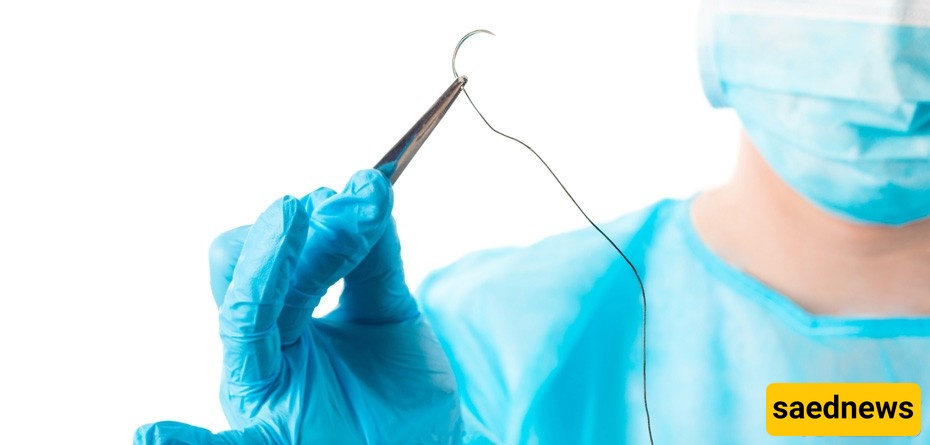
According to Saed News, during natural childbirth, the perineum (the area between the vagina and the anus) may require stitches about the width of a finger. These stitches are absorbable and usually dissolve within a few days, depending on the individual’s skin, leaving no visible scar. Episiotomy, a small incision in the perineum, is sometimes performed to prevent accidental tearing during delivery.
Perineal massage can help reduce the need for stitches. During pregnancy, gently massage the perineal area with a little olive oil to make the tissue more flexible. In physiological or natural childbirth, the midwife or doctor may wait for the perineum to stretch naturally, avoiding the need for an episiotomy.
Perineal stitches are not very painful because local anesthesia is used. In contrast, cesarean stitches, which are placed in multiple layers from the uterus to the skin, are more extensive and painful, often requiring higher doses of painkillers in the first few days after surgery.
The final step of natural childbirth often involves stitching, which many women overlook. Proper care of stitches is crucial to prevent infection and ensure a smooth recovery. Stitches from natural childbirth are far less intensive than those from major surgeries like cesareans.
Natural childbirth does not always require stitches, but sometimes the doctor may make a small incision in the perineum to help deliver the baby safely. As the baby’s head moves through the vaginal opening and stretches the perineum, if the tissue is not elastic enough, tearing can occur. In such cases, the doctor stitches the tear for proper healing.
Recovery Timeline for Vaginal Tears:
First-degree tear: Heals in 1–2 days.
Second-degree tear (requires stitches): Heals in about 2 weeks.
Third- and fourth-degree tears: Can take 4–8 weeks to heal, provided the stitches are properly cared for and infection is prevented.
Infections can occur if stitches are not cared for properly. Watch for:
Excessive or foul-smelling vaginal discharge. Normal postpartum discharge changes from red to pink, then to yellowish-white, and gradually stops. Dark, greenish, or foul-smelling discharge warrants medical attention.
Fever, which should never be ignored after childbirth.
Pain, sensitivity, or pus from the wound.
Difficulty urinating or defecating.
Discomfort when sitting or walking.
Rest and lying down during the first few days are crucial to reduce pressure on stitches.
Use a medical cushion when sitting.
Use a Western-style toilet if possible.
Gentle warm air from a hairdryer once or twice daily can aid healing.
Eat plenty of vegetables and fiber to avoid constipation.
Take all prescribed antibiotics, painkillers, and anti-inflammatory medications as directed.
Immediately consult your doctor if you notice unusual pain, bleeding, pus, swelling, fever, or the stitches opening.
After every bathroom visit, clean the stitches with a proper vaginal wash solution and keep the area dry. Use a separate wipe for the perineal area, wiping from front to back.
Avoid sanitary pads with chemical absorbent layers to prevent irritation, and change pads frequently to keep the area dry.
Sit daily for a few minutes in a clean basin with warm water and Betadine solution.
Do not touch stitches or apply creams, ointments, or lotions without your doctor’s approval.