SAEDNEWS: Apricots, or dried apricot slices, are called qeysi, which are very sweet and pleasant.
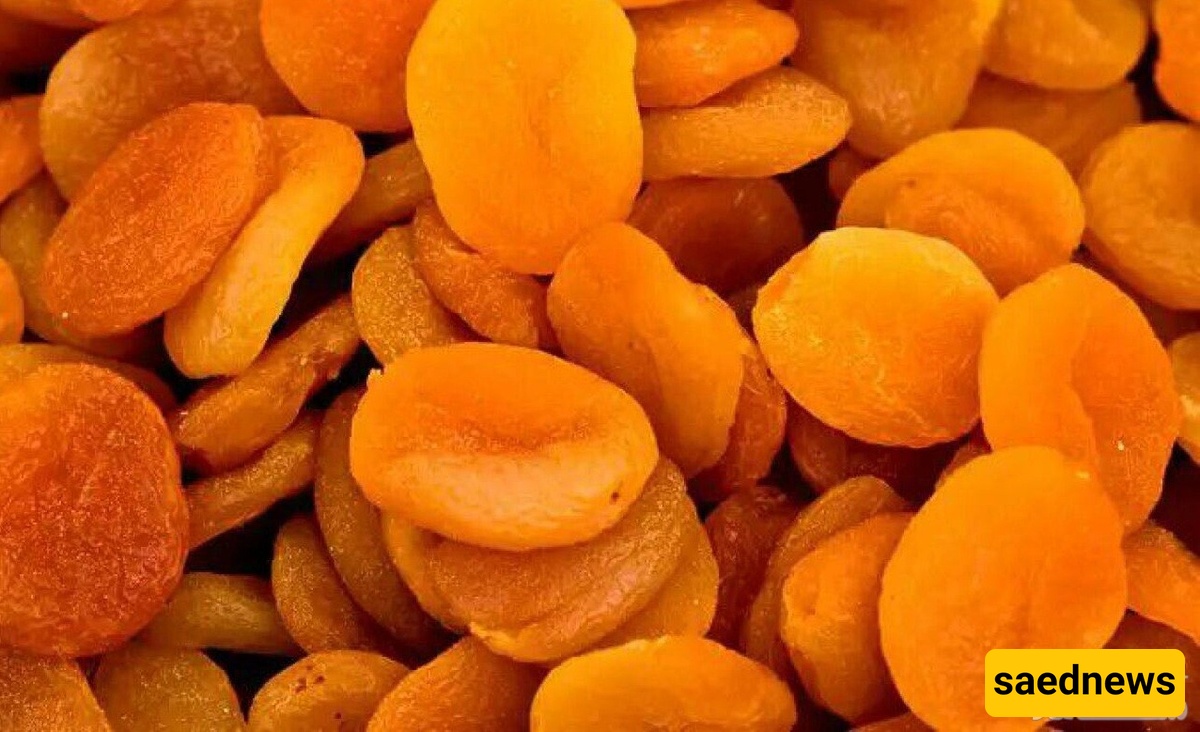
Dried apricots are an excellent source of dietary fiber, particularly pectin and cellulose. These fibers form a gel in the watery environment of the digestive tract, binding to fatty acids and aiding in their elimination. This property helps lower elevated LDL cholesterol levels. Additionally, dietary fiber supports the prevention of cancer and type 2 diabetes. Fiber improves digestive function and facilitates the movement of waste through the intestines, acting as a natural laxative, which is especially beneficial for those prone to constipation. Consuming 6 to 8 dried apricots can alleviate constipation symptoms. Half a cup of dried apricots provides 19% of the daily recommended fiber intake.
While fresh apricots are rich in potassium, dried apricots contain even higher levels. Potassium is essential for metabolism and the proper function of tissues, organs, and cells. It supports heart health, maintains healthy blood pressure, aids electrical activity in the heart, and is crucial for muscle structure and normal growth. Inadequate potassium intake is linked to a higher risk of hypertension. Potassium also helps prevent muscle cramps. Half a cup of dried apricots supplies over 21% of the daily potassium requirement.
Dried apricots are a more significant source of iron compared to fresh apricots. A diet rich in iron helps prevent iron-deficiency anemia, which the World Health Organization reports as the most common nutritional disorder worldwide. Historical sources, such as Avicenna, recommended consuming 50 grams of dried apricots daily to strengthen nerves and combat anemia. Half a cup provides 10% of the daily iron requirement.
Vitamin A is fat-soluble and acts as an antioxidant, protecting cells and eliminating free radicals. Free radicals can form due to exposure to heavy metals like lead or tobacco use. Vitamin A supports vision, regulates cellular function, promotes bone growth, strengthens the immune system, and may help prevent cancer.
Vitamin C is a vital antioxidant that protects cells from oxidative stress and neutralizes free radicals linked to cancer. It also supports dental, bone, and skin health, strengthens connective tissues, enhances iron absorption, and helps defend against colds and influenza.
Vitamin K aids in calcium-related functions, including maintaining healthy bones, teeth, and cartilage. It also plays a key role in blood clotting to prevent excessive bleeding after injuries. One cup of dried apricots provides 4 micrograms of vitamin K, contributing to daily requirements.
Dried apricots are rich in antioxidants. Research shows that fully ripe fruits have higher antioxidant levels than under-ripe ones. These compounds help neutralize free radicals, reducing the risk of cancer and other diseases.
Calcium is essential for maintaining strong bones, teeth, and cartilage. Osteoporosis is a common issue among older women but can be prevented with adequate daily calcium intake. One hundred grams of dried apricots provide approximately 44–53 mg of calcium.
Dried apricots are rich in carotenoids (precursors to vitamin A) and other plant-based antioxidants. These compounds protect the body from oxidative damage and free radicals, which are linked to cancer and other diseases. Beta-carotene contributes to preventing and alleviating rheumatoid arthritis, heart disease, high blood pressure, skin conditions, cataracts, age-related macular degeneration, and headaches. Half a cup of dried apricots provides 47% of the daily beta-carotene requirement.
Historical recommendations suggest combining dried apricots with walnuts, approximately 50 grams for seven days, as a beneficial remedy for the pancreas and intestinal inflammation.
To preserve the bright orange color, sulfur dioxide is sometimes added during drying. Without it, dried apricots turn brown. Sulfur dioxide converts to sulfites, which can trigger allergic reactions or asthma attacks in sensitive individuals.