SAEDNEWS: Getting your ears pierced requires proper aftercare to prevent infection. It can also involve certain side effects that you should be aware of before making a decision. Choosing the right jewelry is essential to avoid irritation, allergic reactions, or other problems with your ears.
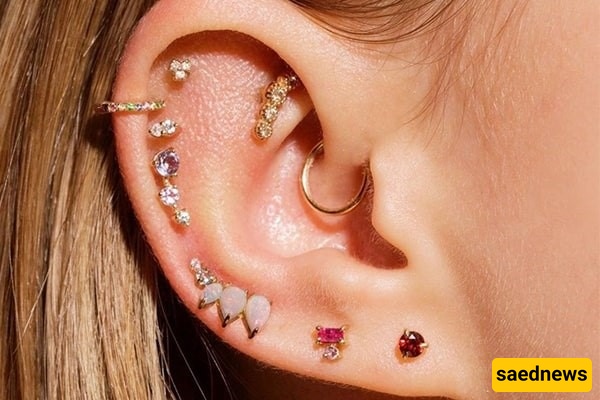
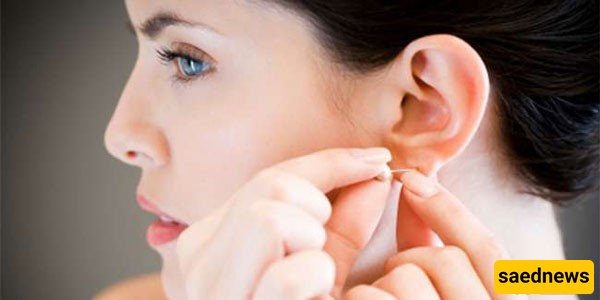
Proper care of newly pierced ears is essential for quick healing and for preventing infection, contamination, or the piercing holes from closing. During the healing period, treat your ears gently and avoid unnecessary touching so you can soon enjoy wearing any earrings you like with confidence.
Always wash your hands thoroughly with antibacterial soap before touching your ears.
Take a small amount of soap lather between your fingers and gently apply it to the piercing area. Rinse by wiping your ear with a clean, damp cloth.
You may use a saline solution instead of soap and water. Saline cleansing solutions are available at pharmacies and are effective for cleaning fresh piercings.
To use:
Soak a cotton swab in the saline solution.
Gently clean both the front and back of the piercing.
For the first two to three days after piercing, you may use alcohol or a small amount of antibiotic ointment twice daily. Disinfecting reduces the risk of infection and may support healing.
Apply with a cotton swab or clean cotton ball lightly soaked in alcohol or antibiotic solution.
However, stop after a few days—prolonged use may irritate the skin and delay healing.
Lightly moisten the area and gently rotate the earrings by holding them from the back. This helps prevent the holes from sealing too quickly.
Do not rotate earrings when the area is dry, as this may cause bleeding and delay healing.
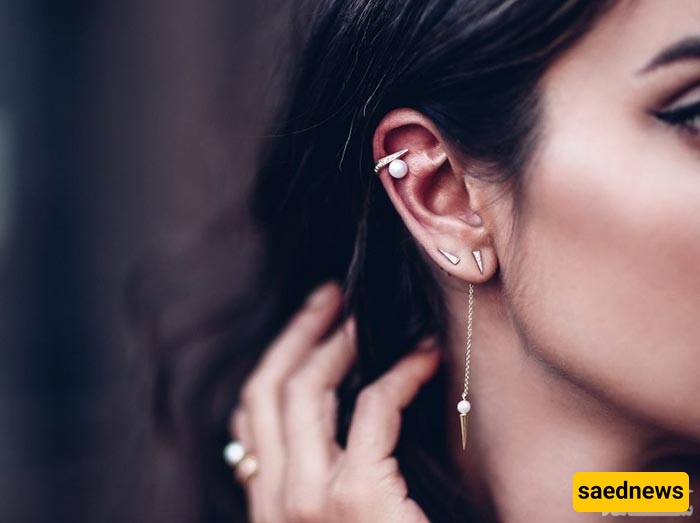
Leave the lightweight, hypoallergenic starter earrings in for at least four weeks. These are typically inserted by the technician at the time of piercing and are designed to protect sensitive skin.
Hypoallergenic earrings are commonly made of:
Surgical stainless steel
Titanium
Niobium
14- to 18-karat gold
Removing them too early may cause the holes to close or become infected.
Touching the piercing unnecessarily can introduce bacteria. Only handle your ears when cleaning or inspecting them, and always wash your hands first.
Swimming pools, rivers, and lakes may expose piercings to bacteria and increase infection risk. Avoid swimming until healing is well underway.
When bathing, try not to submerge your ears fully in water.
Clothing that catches on earrings can cause irritation and slow healing. Avoid tight hats that cover your ears. When dressing, be careful not to snag your earrings.
If you wear a scarf or head covering, choose soft fabrics and wash them regularly.
Consult a doctor if you notice:
Pain lasting more than a week
Dark discharge
Bleeding
Red or pink inflamed skin around the piercing
Serious infections may require drainage and oral antibiotics.
If sleeping on your side causes pain, avoid it until fully healed.
Mild pain for about an hour after piercing is normal.
Slight redness and swelling are common and usually resolve on their own.
If you have long hair, tie it back during the healing period to prevent irritation.
Clean the piercing 2–4 times daily for approximately 6–9 weeks.
Removing initial earrings too early increases the risk of closure and infection.
When switching earrings, choose small, lightweight styles while your ears remain sensitive.
Many people think only style matters when selecting jewelry. However, facial shape, neck length, and skin features all influence how earrings look.
Long face: Chandelier or large hoop earrings with dangles can add balance. Stud earrings are also suitable.
Round face: Avoid large, round designs that emphasize fullness.
Round face with fuller neck: Avoid small studs or tight hoops.
Short neck: Avoid long dangling earrings, as they may make the neck appear shorter.
Universal option: Medium-sized simple hoop earrings suit most people.
Professional settings: Avoid large, flashy earrings; opt for subtle jewelry or consider a necklace, bracelet, or brooch instead.
Check your baby’s ears several times a day for signs of infection.
If you notice anything concerning, consult a doctor promptly.
During bathing, cover the baby’s ears with a protective plastic shield to avoid moisture exposure.
Use only gold earrings (or gold-plated) to minimize the risk of allergic reactions and infection.
Proper aftercare ensures your newly pierced ears heal quickly and safely. With patience and gentle care, you’ll soon be ready to enjoy a wide variety of earrings comfortably and confidently.