SAEDNEWS: Each line on your palm corresponds to a different aspect of your life. One line indicates your future wealth and fame, while another reveals insights about your marriage and having children. Keep reading to explore what your hand can tell you.
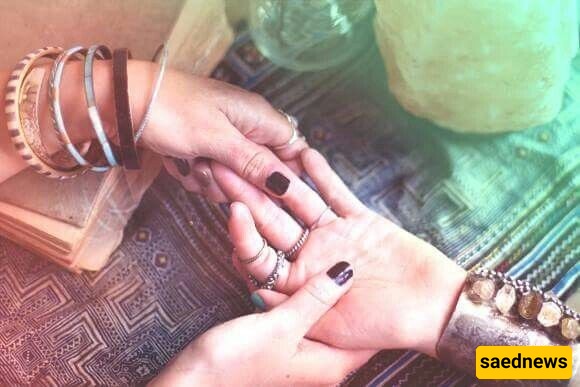
According to the astrology section of SaedNews, palmistry, or reading the lines of the hand, is one of the oldest methods for predicting the future and understanding personality. It holds a special place in various cultures, including Iranian culture. Palm lines are examined not only in popular beliefs but also in some psychological and scientific studies as tools for analyzing character and destiny. This article explores the meanings of palm lines, the main and secondary lines, and their significance in Iranian culture. If you are looking for a comprehensive and reliable answer to the question, “What do palm lines mean?” this guide is for you.
Palmistry, also called hand analysis, is an ancient art that interprets a person’s personality, future, and traits by examining the lines, shapes, and mounts on the palm. In Iran, it appears in folk culture and some historical texts, including astrology books and mystical beliefs. While palmistry is not scientifically verified as a method of prediction, it remains popular and is often used as a tool for self-reflection.
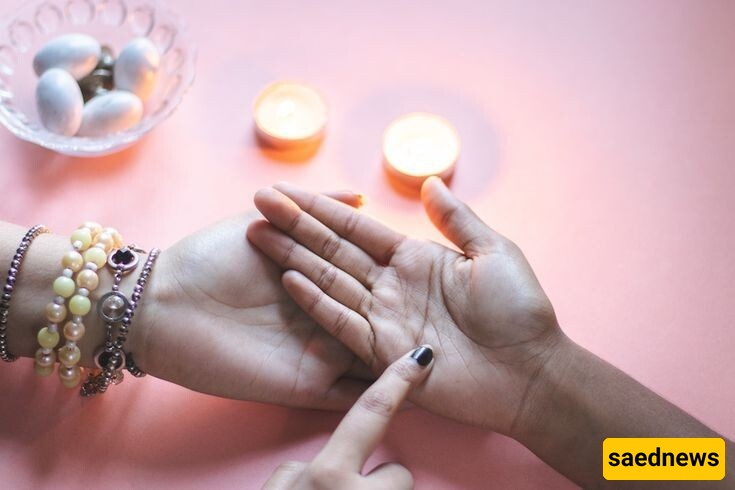
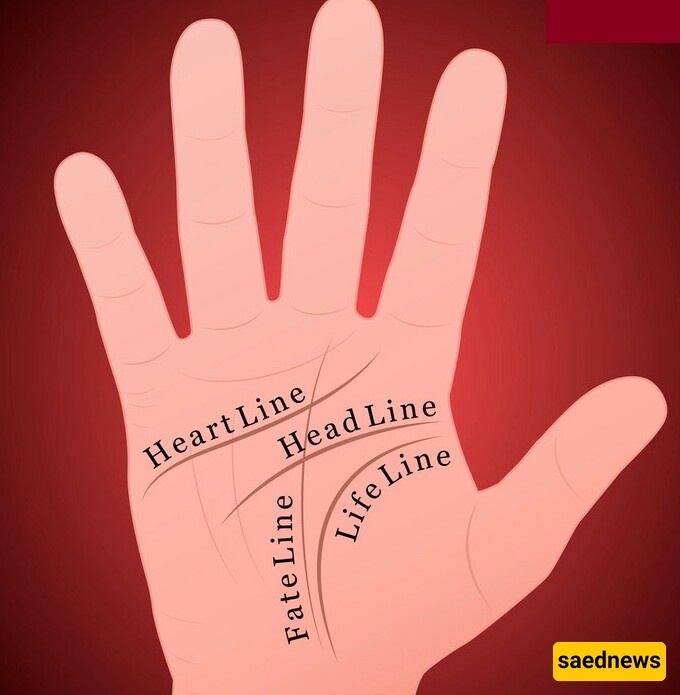
Humans usually have three main palm lines along with several minor lines, each carrying distinct interpretations. Here’s a closer look:
Heart Line
Location: Upper palm, beneath the fingers.
Meaning: Reflects emotions, romantic relationships, and heart health.
Long and deep line: Indicates an affectionate, loyal individual in love.
Short or shallow line: May suggest a more reserved approach to expressing feelings.
Branches on the line: Signify multiple emotional experiences or romantic relationships.
Iranian belief: A strong heart line symbolizes a pure heart and lasting love.
Head Line
Location: Middle of the palm, usually beneath the heart line.
Meaning: Relates to intelligence, thinking, and mental abilities.
Straight line: Denotes logical, practical thinking.
Curved line: Represents creativity and imagination.
Broken line: May indicate changes in thought or mental challenges.
Iranian belief: Historical Iranian texts often associate the head line with wisdom and insight.
Life Line
Location: Begins near the thumb and curves around toward the wrist.
Meaning: Contrary to popular belief, it does not predict lifespan. Instead, it reflects vitality, physical health, and major life changes.
Deep and long line: Suggests high energy and an active life.
Short or broken line: May indicate significant changes or health challenges.
Iranian belief: Sometimes associated with luck and fortune.
Fate Line
Location: Extends from the base of the palm upward (not present in all individuals).
Meaning: Represents life path, career, and personal achievements.
Deep line: Shows a clear path and success.
Faint or broken line: Reflects career changes or uncertainties.
Iranian belief: In some mystical Iranian sources, it is linked to destiny and divine influence.
Besides the main lines, secondary lines—such as the Sun line (fame and success), Marriage line (stable romantic relationships), and Health line—are also examined. Symbols like stars, islands, or squares on the palm carry specific meanings:
Star: Sign of success or significant events.
Island: May indicate temporary difficulties.
In Iranian culture, palmistry has roots in folk beliefs and mystical texts. Historically, people consulted local palm readers to predict the future or understand themselves better. Books like Iranian fortune-telling manuals and mystical works by poets such as Rumi and Hafez indirectly reference the connection between hands and destiny. In some regions, palmistry was combined with astrology or coffee fortune-telling and preserved as a cultural tradition.
Scientifically, palmistry is not recognized as a method of prediction. However, some psychologists suggest that palm lines may provide information about physical health or genetic traits. For example, certain conditions, such as Down syndrome, correlate with specific palm line patterns. Nonetheless, most experts consider palmistry more of an art or self-reflective tool than a precise science.
Palm lines can offer fascinating insights into personality and life paths, both culturally and for self-reflection. In Iranian culture, they are not only part of folk tradition but also serve as a tool for contemplating life and destiny. For those wondering, “What do palm lines mean?” this guide provides a comprehensive overview.