SAEDNEWS: After getting a lip liner or full lip tattoo, it’s common for your lips to experience swelling, inflammation, and itching. But which of these reactions are normal, which are not, and what can you do to minimize these side effects?
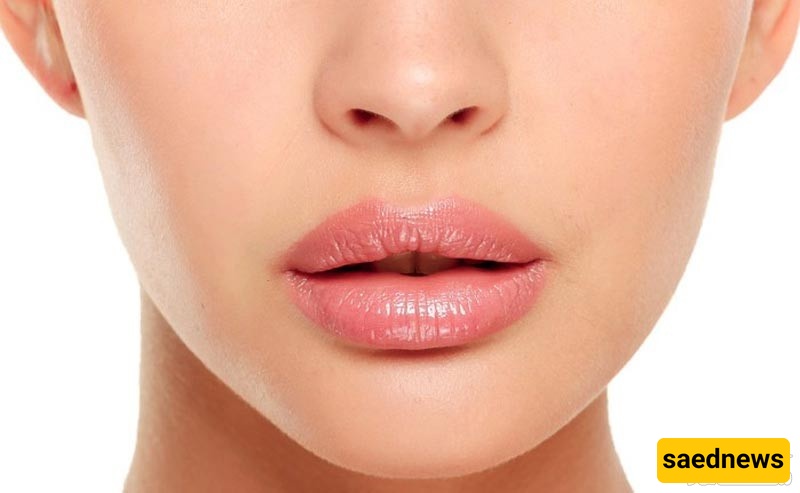
Lip tattooing is one of the beauty methods that more women are seeking these days. If you are considering lip tattooing, stay with us for a comprehensive guide. Beyond expressing smiles and emotions, lips are a key feature of the face, playing an important role in overall attractiveness. Issues such as uneven upper and lower lips, darkened lips, or pale coloring can negatively impact appearance. Lip tattooing is used for correcting asymmetry, enhancing lip volume, defining the lip line, and sometimes reducing excessive paleness. Since lips are central to facial beauty, taking care of them is essential.
The lip tattooing process addresses imperfections and creates a fuller look. If you are unhappy with your natural lip color, lip tattooing can be an effective solution. Lips are sensitive and full of superficial blood vessels, but the procedure is generally painless and does not cause bleeding. Special care is needed after tattooing, with a typical healing period of around 10 days.
As a base for other lip makeup
To make lips appear larger
To reshape or enhance the appearance of lips
To prevent lipstick from smudging or bleeding
As a long-lasting alternative to daily lipstick
In the past, small and delicate “miniature” lips were considered fashionable. Today, inspired by Iranian and international celebrities who have enhanced their lips with volumizing tattoos, lip tattooing has become common among the general public. This method is especially suitable for women who prefer permanent makeup. Daily lip makeup wears off quickly, but lip tattoos eliminate the need to worry about smudged or fading lipstick. Additionally, lip tattooing can help reduce excessive paleness.
Lip tattooing also has therapeutic applications. It can benefit patients who are naturally born without a defined lip line or those with cleft lip conditions, allowing them to tattoo a proper lip contour after initial medical treatment.
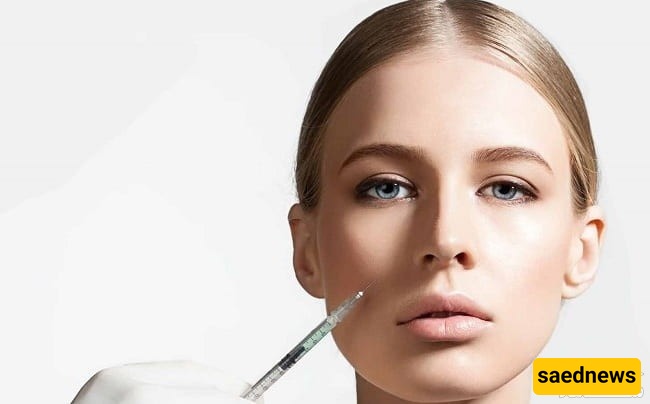
After lip tattooing, mild swelling and redness are normal and usually subside within two to three days. Persistent inflammation should be examined by a doctor. To support recovery:
Avoid washing your lips for three days post-procedure.
Use an ice compress for up to 12 hours to reduce inflammation. Place ice in a sealed plastic bag and gently apply to the lips. Anti-inflammatory medications may also help.
Apply a small amount of vitamin A eye ointment to lips three times daily for one week.
Apply a small amount of hydrocortisone eye ointment once daily for one week.
If prone to cold sores, request your tattoo artist apply antiviral ointments like acyclovir or Zovirax (do not use at home, as this can affect the tattoo color).
Avoid saunas and swimming pools for one week.
Avoid direct sunlight until fully healed.
Avoid lipstick until lips are fully healed; if necessary, apply carefully with a clean tip.
Avoid hot and spicy foods while lips are inflamed.
Mild itching is normal. Avoid scratching, as this can prolong healing. Applying vitamin A ointment or hydrocortisone ointment—chilled for better effect—can relieve itching.
Healing varies between individuals, typically taking 5 to 12 days. A key sign of recovery is the naturalization of lip color. Initial tattoo color is often intense but fades to a natural tone after a few days, indicating proper healing.