SAEDNEWS: The following test was developed and validated through research at the University of California. By answering its questions, you can gauge just how frugal—or stingy—you are.

According to the psychology section of Saed News, stinginess can appear across many areas of life. You might think it only relates to money, but a stingy person can negatively affect those around them in nearly every aspect of life, especially emotionally. By taking a stinginess test, you can discover your own level of generosity or reluctance to give.
Stinginess is the opposite of generosity. While generous people enjoy giving, stingy individuals feel discomfort when giving. Although you might associate stinginess solely with money, it often appears in other areas of life as well. Stingy people rarely give money or lend items willingly. They tend to take more than they give and put significant effort into saving on expenses.
This is not to say that saving money is bad. However, a stingy person spends excessive time and energy avoiding spending and cutting costs. They often borrow things instead of buying them and conveniently forget to return them. Taking a stinginess test can help you determine whether you lean more toward generosity or stinginess.
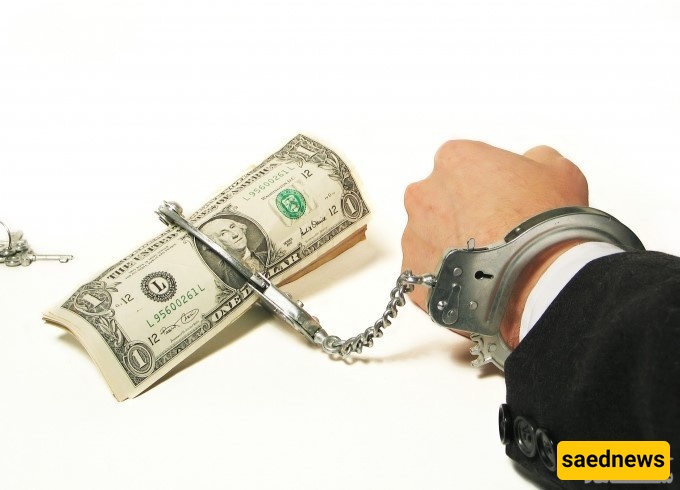
To better understand your financial personality, try this simple test. Answer the following questions honestly. Mark the first response that comes to mind. Each “correct” answer counts as 1 point.
Being powerful is the same as being wealthy.
True / False
Success comes from having money.
True / False
I always want to buy the best quality and brand.
True / False
I am willing to spend money to make others align with my preferences.
True / False
I feel calm and satisfied when I earn more than others.
True / False
I like to tell everyone about the expensive items I buy, even if they don’t ask.
True / False
People around me, or even I myself, have noticed that I exaggerate my wealth.
True / False
I feel happy when others see my brand-name items.
True / False
I like to know who earns more than me.
True / False
People who earn more than me are admirable.
True / False
I always consider how others will view my purchases.
True / False
I enjoy receiving praise for my expensive purchases because it makes me feel good.
True / False
Add 1 point for each “correct” answer and compare your score with the following ranges:
0–5 points: You rarely use money to improve how others see you. However, remember that money can also be a tool for social positioning when used wisely.
6–9 points: You use money moderately to achieve social recognition and influence.
10–12 points: You see money as a source of power, reputation, and identity. The opinions of others matter greatly to you, and balancing this perspective could be beneficial.
The good news is yes—obsessive-compulsive personality tendencies related to stinginess can be addressed. Depending on the severity, individuals can overcome these tendencies within a year or more. Treatment often involves helping the person adjust certain personality traits. While treating stinginess can be challenging, with willingness, it is manageable. Common approaches include:
Motivational Interviewing: A conversational process that identifies compelling reasons, such as key relationships, to encourage change.
Cognitive Behavioral Therapy (CBT): Focuses on identifying negative thoughts and behaviors and replacing them with healthier alternatives.
Hierarchy of Anxiety: Helps individuals gradually face spending anxieties, starting with small, low-cost purchases before moving to larger ones.
Medication: If depression is also present, prescribed medication may assist. Therapy goals can include helping the individual recognize how their behavior affects others. Families are encouraged to work with a counselor to support the person in overcoming excessive thriftiness.