SAEDNEWS: With age, reflecting on life becomes inevitable. Psychology shows that many late-life regrets stem from choices and missed opportunities in youth. This article examines these regrets and ways to live a fulfilling life.

According to the Psychology Service of Saed News, old age is a stage of life marked by reflection and reassessment of the path traveled. Many individuals at this stage, carrying a wealth of experiences, look back on their past and sometimes confront regrets that can affect their mental health and overall quality of life. From a psychological perspective, these regrets are not just simple sorrows; they reflect fundamental emotional and developmental needs that went unmet throughout life. Understanding these common regrets can serve as a guide for younger and middle-aged adults, helping them shape lives that will ultimately bring a greater sense of fulfillment and integrity.
Erik Erikson, the renowned psychoanalyst, describes the final stage of psychosocial development—occurring in late adulthood (around 65 and older)—as “integrity versus despair.” In this phase, individuals review and evaluate their lives. If they perceive their life as meaningful and satisfying, they achieve a sense of integrity and wisdom. This acceptance, embracing life with all its highs and lows, brings peace and readiness to face mortality.
Conversely, if they see a past filled with missed opportunities, poor choices, and unfulfilled dreams, they experience despair. This feeling is accompanied by bitterness, regret, and fear of death. Many of the regrets commonly experienced in old age stem directly from this psychological struggle.

Clinical observations and research on older adults reveal recurring regrets at the end of life:
“I wish I had the courage to live life for myself, not as others expected.”
This is the most common regret. Many realize that fear of judgment, social pressures, or family expectations led them to ignore their own dreams. Psychologically, this regret reflects suppression of the true self and the failure to fulfill one’s potential, which can lead to profound emptiness and remorse in later years.
“I wish I hadn’t worked so hard.”
This regret is particularly common among men who dedicated most of their lives to work. They mourn lost moments—raising children, being present with a spouse, or spending time with loved ones—sacrificed in pursuit of career success. It underscores the importance of balancing work and personal life for emotional health and meaningful relationships.
“I wish I had had the courage to express my feelings.”
Many suppress their emotions to maintain peace or avoid conflict. Long-term emotional suppression often leads to shallow relationships and a lack of genuine intimacy. In old age, individuals regret not expressing love, gratitude, or even disappointment in healthy, timely ways.
“I wish I had stayed in touch with my friends.”
Amid life’s daily demands, many long-standing friendships fade. Psychological research shows that strong social connections are among the most significant contributors to happiness and longevity. In later life, people recognize the irreplaceable value of these bonds and feel remorse for neglecting them.
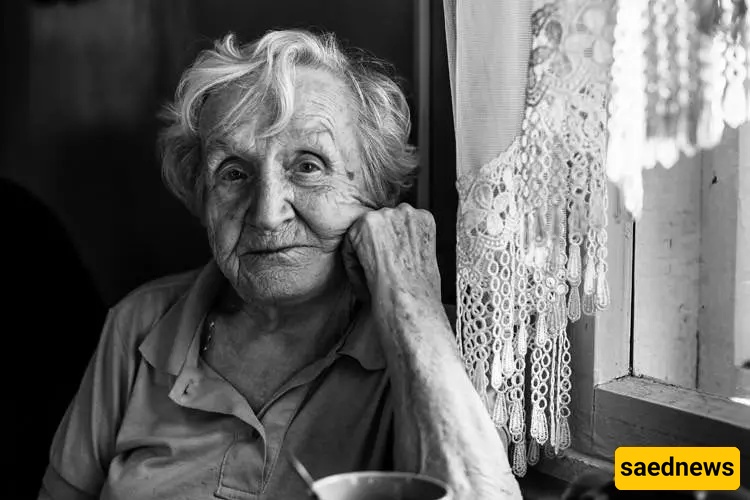
Reflecting on the regrets of old age should not inspire despair. Instead, it can offer valuable lessons for creating a richer, more meaningful life. Psychology teaches that achieving integrity in later years—and avoiding these regrets—begins today. Living authentically according to personal values, investing in deep emotional relationships, making time for family and friends, and expressing emotions courageously are all key to a fulfilling life. Life is ultimately the sum of our choices today, and the best way to ensure a future free from regret is to live consciously in the present.