SAEDNEWS: Did you know that newborns recognize their parents much earlier than you might think? This article examines the scientific timing of when babies identify their mother and father, exploring the roles of voice, scent, and eye contact, and explains the precise moment of recognition based on medical research.
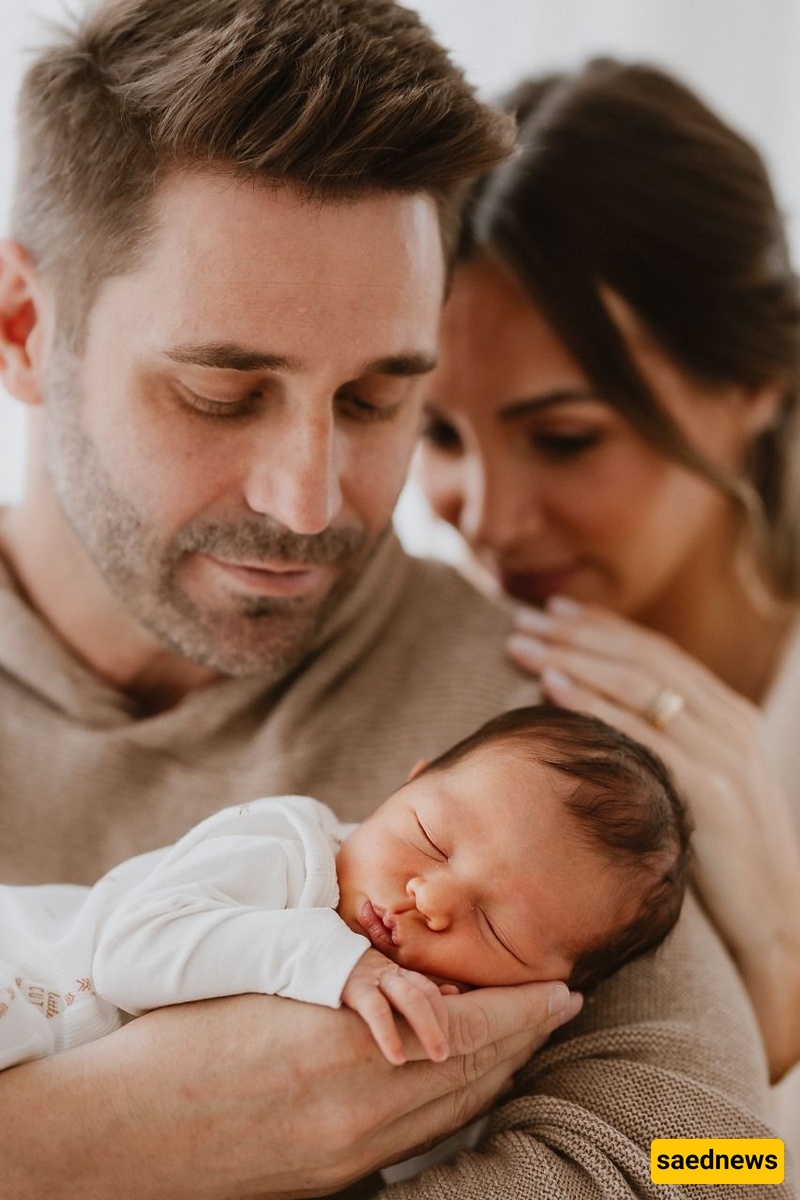
From the moment a baby is born, an emotional bond begins to form between the infant and their parents. Yet many new parents wonder: exactly when does a baby start to recognize their mother or father? Is it through sound, smell, or facial recognition? Drawing on credible scientific research, we explore this question and examine how a newborn’s cognitive recognition develops.
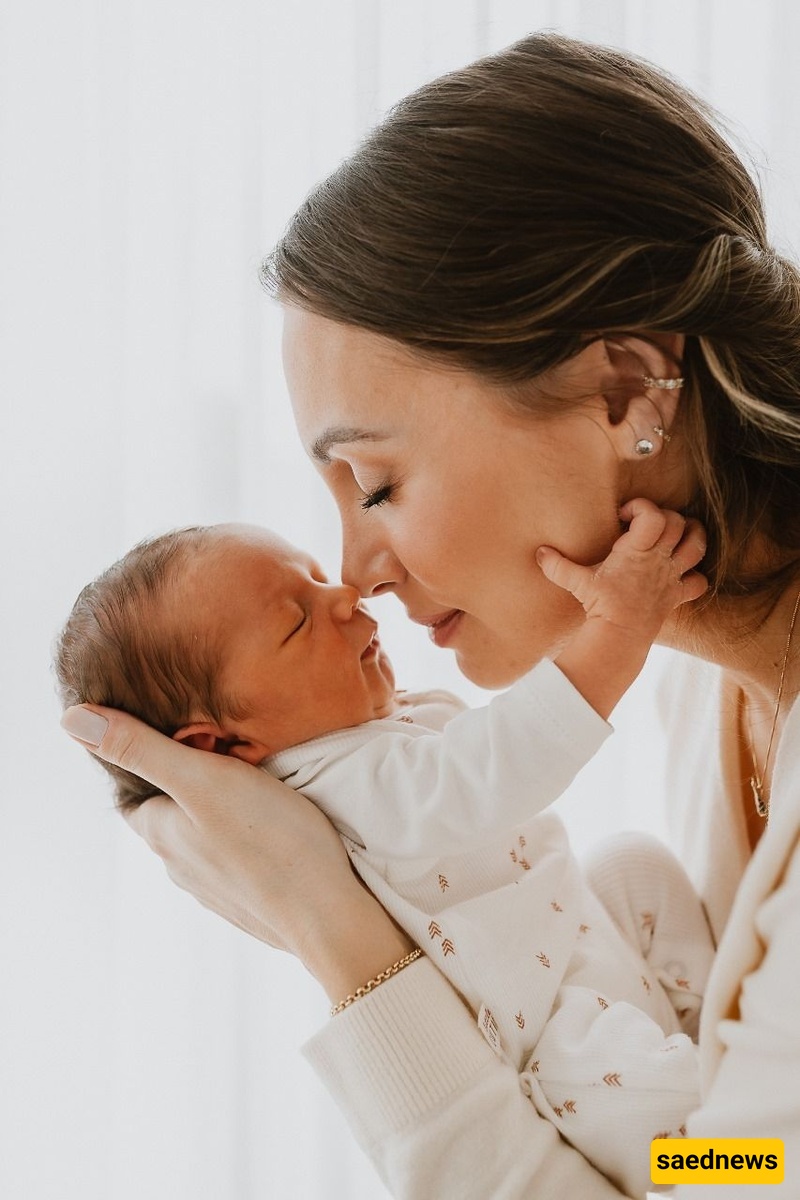
Babies are naturally born with the ability to recognize their mother’s voice. Research from the University of Washington shows that even weeks before birth, a fetus responds to sounds from within the womb, particularly the mother’s voice. After birth, this voice continues to be soothing and familiar, and babies can distinguish it from other sounds.
A mother’s scent also plays a crucial role. Skin-to-skin contact immediately after birth helps babies identify their mother through her natural body odor. As a result, newborns can recognize their mother from the very first days of life.
Recognition of the father usually occurs slightly later. The main reason is simple: fathers are not physically present with the baby during pregnancy, so the bond begins after birth. However, if the father actively participates in daily care and speaks to the baby regularly, the infant gradually becomes familiar with his voice.
According to the American Psychological Association, babies typically begin to distinguish their father’s face and voice from others at around two to three weeks of age—especially if repeated eye contact and physical interaction are established.
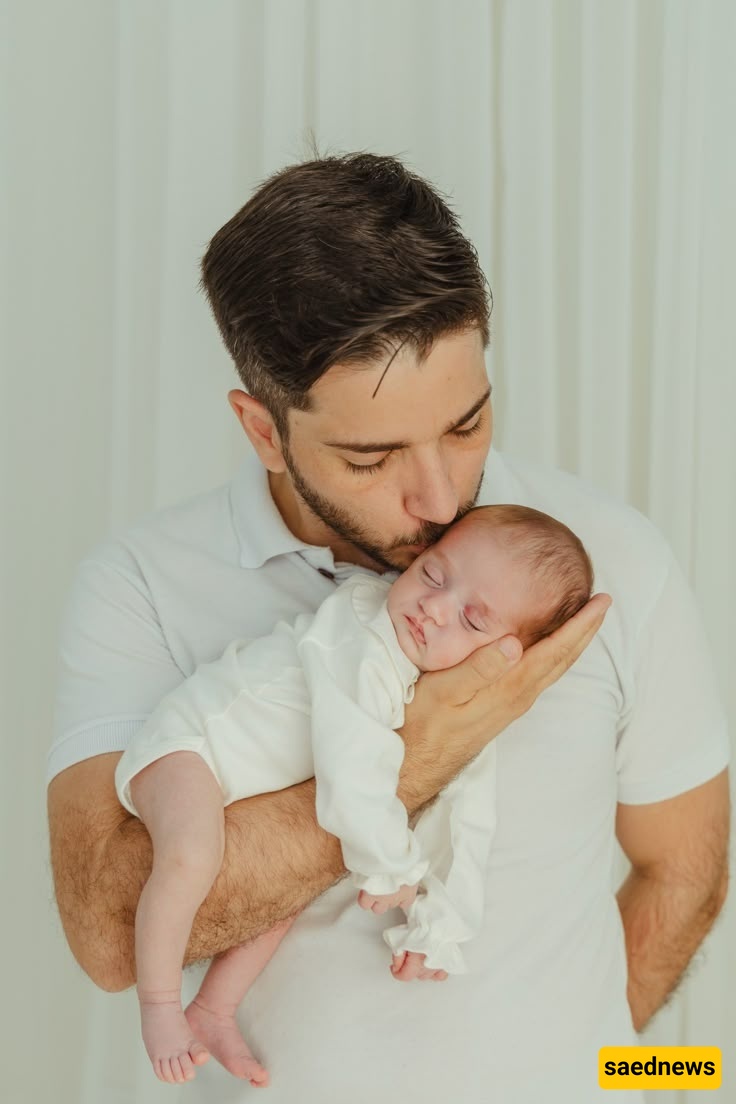
Several factors can help a baby recognize their parents more quickly:
Skin-to-skin contact: Holding the baby increases feelings of security and familiarity.
Repeated vocal interaction: Speaking to the baby helps them learn to identify parents’ voices faster.
Consistent caregiving: Regular involvement in daily care—changing diapers, feeding, or soothing—strengthens recognition.
Babies respond strongly to emotional interaction. Eye contact, touch, and gentle engagement deepen the emotional bond and help babies recognize their parents more readily.
A baby’s recognition of their parents is gradual but remarkably fast. From birth, they recognize their mother’s voice, and in the following weeks, they become familiar with both parents’ faces and voices. The more consistent and interactive the parents are, the stronger the emotional and cognitive bond becomes. Every glance, touch, and interaction lays the foundation for trust and connection in the child’s future.