SAEDNEWS: This traditional Iranian dessert offers a unique flavor and a simple preparation method, making it perfect for any gathering. In this article, you’ll find a complete guide to the preparation steps, essential tips, and techniques for making halva.
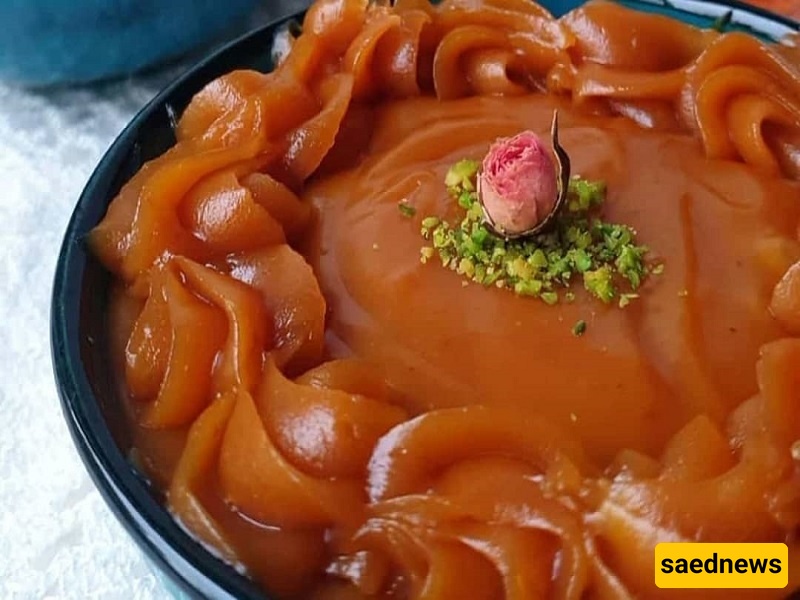
According to the culinary section of Saed News, halva is one of the most popular traditional Iranian desserts, served at various occasions—from mourning ceremonies to celebrations. Three-flour halva with grape molasses, thanks to the combination of different flours and the sweet, mild flavor of grape molasses, is a delicious and healthy choice for lovers of traditional desserts. This dessert not only has an exceptional taste but also offers higher nutritional value due to the use of grape molasses instead of sugar. In this article, you will learn how to make delicious three-flour halva with grape molasses, along with key tips for preparing a professional-quality halva.
Three-flour halva combines wheat flour, chickpea flour, and rice flour to create a soft texture with a balanced flavor. Using grape molasses instead of sugar makes this dessert healthier and adds a unique taste. This guide is designed for both beginner and experienced cooks, walking you step by step toward making a flavorful halva.
If you’re looking for an authentic and tested recipe, this guide—with detailed instructions and professional tips—is the perfect resource. Join us as we explore the secrets of preparing three-flour halva with grape molasses.
To prepare this dessert for four people, start with high-quality ingredients. The quality of your ingredients directly affects the taste and texture of the halva. Combining three types of flour with grape molasses creates a unique and distinctive flavor.
Ingredients:
Wheat flour: 1 cup
Chickpea flour: ½ cup
Rice flour: ¼ cup
Grape molasses: 1 cup
Vegetable oil or butter: ½ cup
Water: ½ cup
Saffron infusion: 2 tablespoons
Rosewater: ¼ cup
Ground cardamom: ½ teaspoon
Chopped walnuts or pistachios (optional, for garnish)
For best results, sift the flours separately to ensure a smooth, uniform texture. Use fresh, high-quality grape molasses to preserve the dessert’s flavor. Butter can enrich the taste, while vegetable oil offers a lighter alternative. Preparing quality ingredients and measuring them precisely is the first step toward professional-level halva.
Making three-flour halva requires patience, but the result is well worth the effort. This dessert, with its blend of flours and grape molasses, delivers a soft texture and sweet, mild flavor.
Step 1: Toast the Flours
Toast the wheat flour, chickpea flour, and rice flour separately in a pan over low heat for 10–15 minutes until they turn light golden and lose their raw aroma. Stir constantly to prevent burning and clumping.
Step 2: Prepare the Grape Molasses Syrup
In a small saucepan, combine grape molasses, water, saffron infusion, and rosewater. Warm gently, without boiling, until the molasses is fully incorporated. Add ground cardamom at this stage to infuse the syrup with its aroma. This syrup gives the halva its distinctive sweetness and flavor.
Step 3: Combine Ingredients and Cook Halva
Add butter or oil to the toasted flours and mix thoroughly until smooth. Gradually add the grape molasses syrup, stirring constantly until the halva begins to separate from the pan edges. This process takes about 5–7 minutes. Serve the halva in your chosen dish and garnish with walnuts or pistachios if desired.
To achieve a halva with refined taste and appearance, follow these essential tips:
Choose High-Quality Flours:
The freshness and texture of the flours are crucial. Chickpea flour should be fresh to avoid bitterness, and rice flour should be fine to ensure a smooth texture. Sifting flours beforehand prevents clumping and improves consistency.
Adjust Sweetness:
Grape molasses provides gentle sweetness on its own. If you prefer a sweeter halva, you can slightly increase the molasses amount. Keep in mind that grape molasses has a stronger flavor than sugar, so adjust carefully. Rosewater and saffron help balance the taste.
Garnish and Presentation:
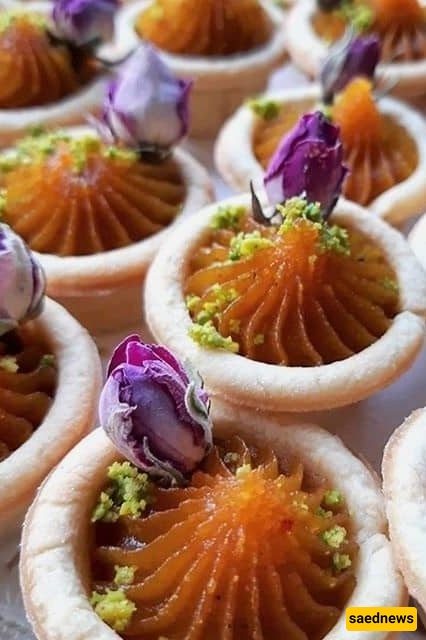
Chopped nuts such as pistachios, almonds, or walnuts enhance both flavor and appearance. Serving halva in small molds or bite-sized portions adds elegance, while storing it in a covered container preserves freshness.
Three-flour halva with grape molasses is a traditional Iranian dessert that offers a unique flavor and soft texture. It is not only delicious but also a healthier alternative to sugar-based desserts.
By following the preparation steps and key tips outlined here, you can make professional-quality, flavorful halva suitable for any occasion. From selecting high-quality ingredients to carefully toasting the flours and adjusting sweetness, every step ensures the best result. This simple, practical recipe allows even beginner cooks to prepare an impressive dessert.
For those seeking a traditional dessert with authentic flavor, three-flour halva with grape molasses is an excellent choice. Share your experiences and tips after trying this recipe!