SAEDNEWS: A Man Who Has Lived Alone for 20 Years in Siberia’s Coldest Forest Survives Among Bears and Wolves
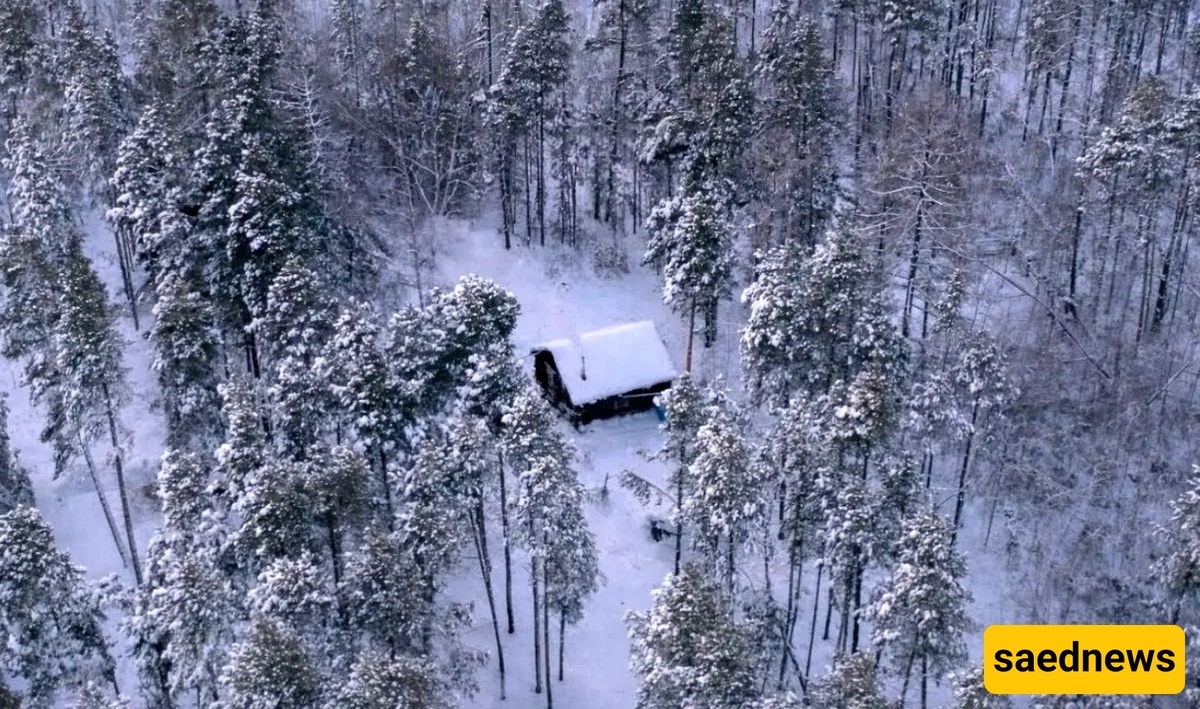
According to Saed News’ society section, a man lives entirely alone in the coldest forest on Earth, in Yakutia, Siberia—following a daily routine built around a wood stove and surviving in extreme conditions.
For two decades, “Samuel” has lived alone in Siberia’s Yakutia, 30 kilometers from the nearest village, in a wooden cabin insulated with sacks and plastic sheeting. He keeps a wood stove burning, powers a radio with homemade batteries, collects water from a frozen lake, and sources meat from rabbit traps.
In the frozen interior of Yakutia, where temperatures can drop to –70°C (–94°F), survival depends on a repetitive physical routine that leaves no room for distraction.
A Cabin That’s Both Shelter and Struggle
Samuel’s cabin, built from the trunks of the surrounding forest, provides minimal protection against the cold, which he describes as “burning and painful.” Even when electricity is occasionally available, maintaining constant warmth is a daily obligation, while bears and wolves roam the area, requiring vigilance in every decision.
Mornings Begin with a Radio, End with Firewood
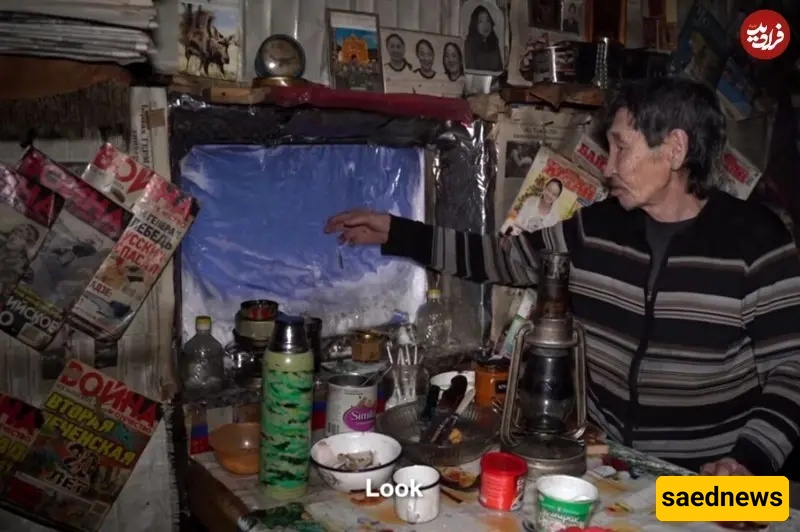
His days start early. Samuel turns on the radio to catch the news, powered by batteries he made himself—a practical solution to stay minimally connected while living in complete isolation. Then comes the most crucial task: gathering enough firewood to keep the stove burning. Collecting wood is not occasional work; he ventures into the forest several times a day to sustain the home’s heat, as the cabin poorly retains warmth and the fire cannot “rest.”
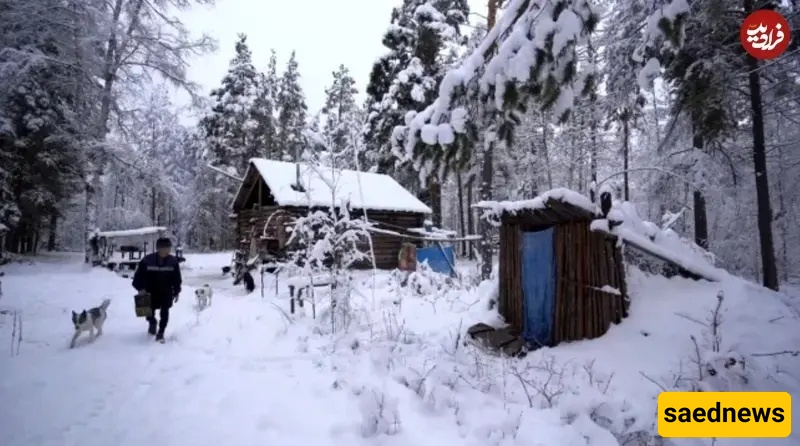
Wood, Sacks, and Plastic: A Constant Battle with the Cold
Samuel constructed his home from local timber and insulated it with coarse fibers from old ropes, a common material in Yakut homes. Instead of glass windows, he used plastic sheeting—an improvised solution that is far from efficient. The result is simple: the cabin loses heat easily, making warming the interior a “constant battle,” with the stove serving as the day’s central focus from lunch until nightfall.
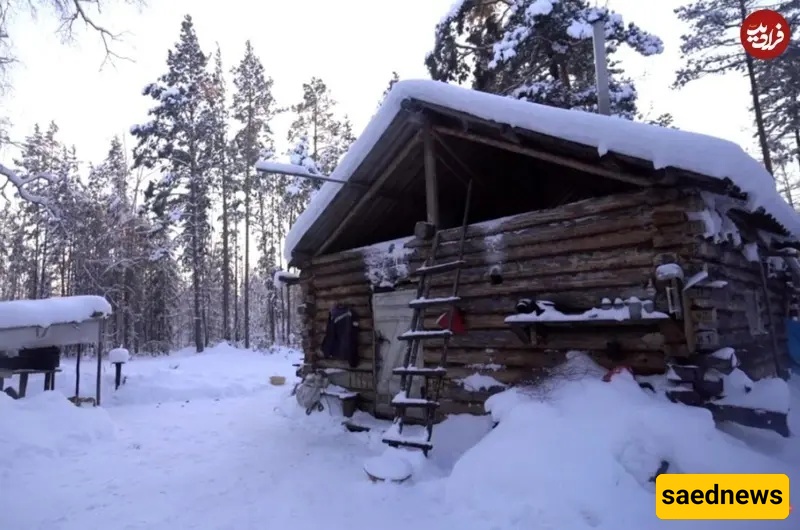
Extreme Cold Shapes Every Aspect of Life
The climate demands respect and caution. Such temperatures are described as “burning and bitterly cold.” Survival requires continuous movement—physical labor to stay warm. Samuel explains that he must collect firewood multiple times daily to keep the cabin heated around the clock. When fatigue overwhelms him and he oversleeps, he wakes to find his hair frozen—a harsh reminder of what happens when the fire weakens.
Food Scarcity and the Challenge of Hunting
Provisioning is limited by distance: the nearest village is 30 kilometers away. Samuel does not hunt; his only meat comes from rabbit traps, which are not always successful. When supplies run low, the hardest part of isolation begins: a five-hour walk to the village, possible only during the warmer months of spring and summer. Terrain and extreme cold dictate this journey, emphasizing the reality of living alone in the coldest forest on Earth.
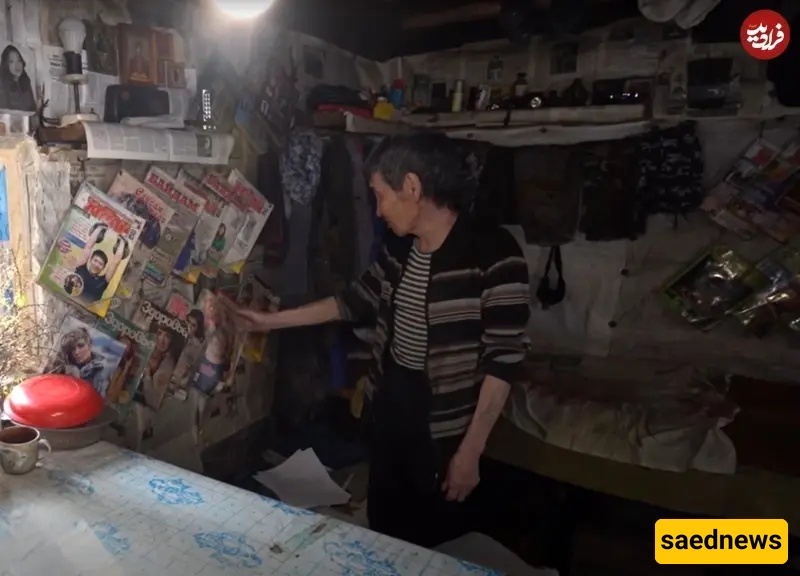
Frozen Lake Water: A Safe Choice
Late in the afternoon, before sunset, Samuel collects water from the frozen lake. He uses ice as his main source for drinking and washing, considering it cleaner and safer than snow. Freezing naturally purifies the water, removing impurities, and this daily ritual is vital for his health.
Pine Needle and Spruce Leaf Tea
When cold, he brews tea from pine needles or fresh spruce leaves, steeping them for two hours in hot water. The tea helps reduce fevers, soothe coughs, and improve his condition for the next day—a survival strategy rooted in his immediate environment.
Dinner Without a Refrigerator
Living in the coldest part of the world has a practical advantage: no refrigerator is needed. The natural environment acts as a freezer, allowing food storage outside. Still, he must hide it carefully, as bears roam nearby. Dinner often includes Yakut bread made from baking soda, water, and flour—a simple, quick recipe that he treats as a special treat rather than a staple, given the high flour consumption.
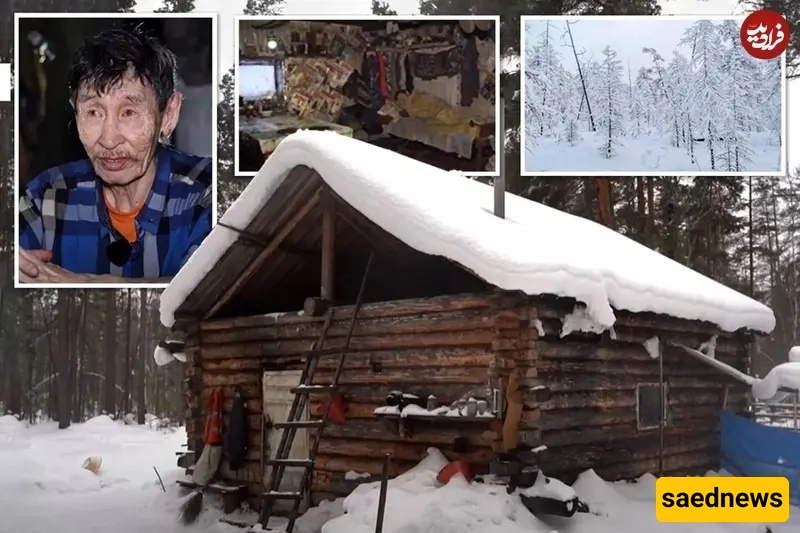
Why Samuel Chose This Life
Samuel says he loves the forest and has no desire to leave. He accepts the risks of solitary life and notes that during warmer months, when berries grow, he often sees bears—yet claims they do not bother him, as if they have enough food themselves.
He also mentions that part of his choice stems from losing family members at a young age. Yet his daily routine shows what truly sustains him: the radio, firewood, water, food, and a discipline that leaves no room for mistakes.