SAEDNEWS: Borage herbal tea is one of the most beneficial herbal infusions in traditional medicine. It is highly effective for soothing coughs, supporting lung health, improving digestion, and strengthening the immune system. Read on to learn how to prepare a simple borage tea.
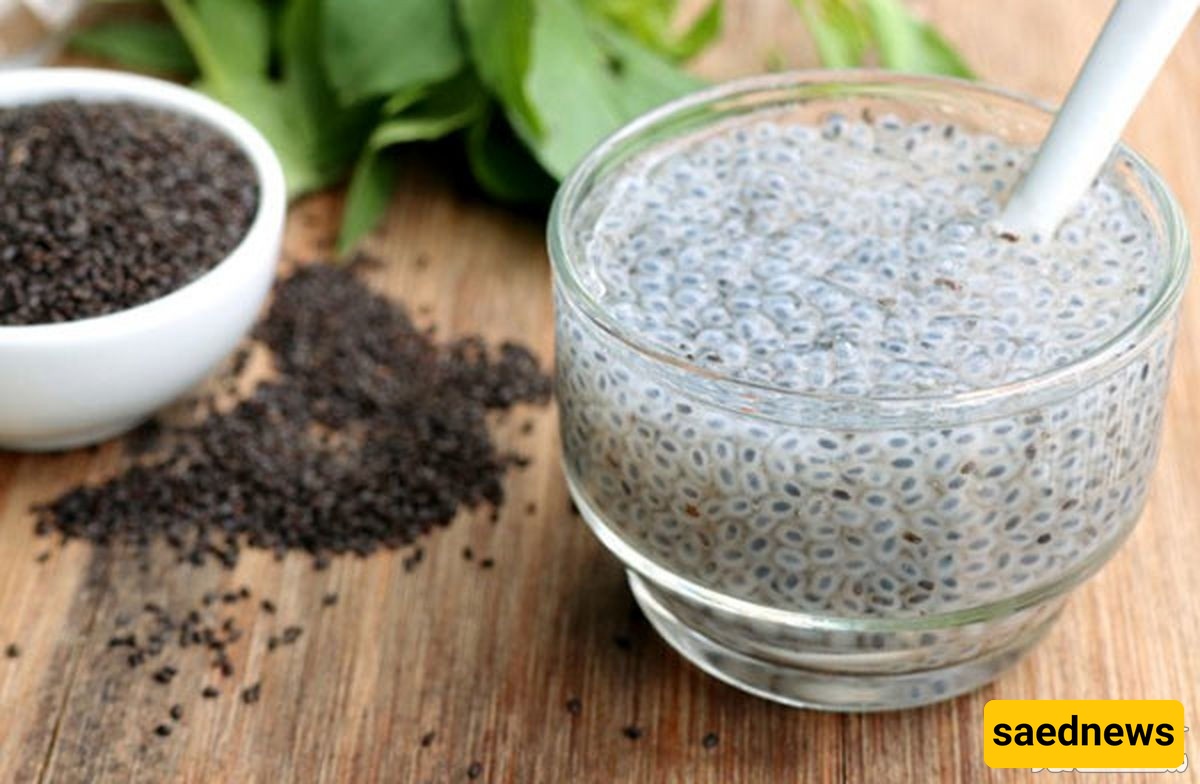
According to the SaedNews culinary service, Plantago (Barhang) is a beneficial herb in traditional medicine with both dietary and medicinal uses. Its valuable leaves can be used as a herbal infusion or as a poultice. Plantago tea is especially effective for coughs, making it useful for conditions such as COVID-19, colds, asthma, and respiratory allergies. Here, we explore several ways to prepare Plantago tea for different purposes.
Plantago has been available to humans since ancient times and was widely used in agriculture. Certain species of Plantago grew more abundantly as humans settled in different regions, particularly in European colonies.
Native Americans and New Zealand’s Māori called Plantago “Englishman’s Foot” because its spread originated from areas connected to English settlements. Plantago seeds were often found in malt waste (previously used as fertilizer) and in wool exported from England, and they became common in poultry feed. A mixture of ground Plantago seeds and oil has traditionally been applied topically to reduce inflammation. Its decoction combined with honey is used for sore throats. Refined Plantago seeds and mucilage are also widely used in commercial laxatives and bulk products.
Plantago has a cold and dry nature, which can be balanced with warming ingredients like rosewater and saffron. This makes it particularly effective for dry coughs associated with COVID-19. To prepare this nourishing tea:
In a tea glass, pour three-quarters water and one-quarter rosewater.
Add one teaspoon of Balangu seeds and one teaspoon of Plantago seeds, then mix.
Let the tea sit for about 30 minutes to allow the seeds to release their mucilage.
Add the tip of a teaspoon of ground saffron and stir again.
Before drinking, you may add a little natural honey. Adults can drink this herbal tea 2–3 times a day.
Plantago is cold and dry, while Khakshir (Descurainia sophia) is warm and moist. Combining them creates a balanced herbal drink, perfect for hot summer days.
To prepare:
Place 5 grams each of Khakshir and Plantago (about one teaspoon each) in a cup of 90°C water.
Cover and let steep for 15 minutes.
Sweeten with honey if desired.
Boil one teaspoon of Plantago seeds in a cup of mint distillate for 5 minutes.
After cooling to lukewarm, add one teaspoon of honey.
Adding rosewater and extra honey is optional.
To benefit from Plantago and mint, drink one cup daily before bed for forty days, without straining.
Plantago contains:
Iridoid glycosides, including aucubin (rhinanthin)
Mucilage (~5–6%), with at least four polysaccharides
Tannins, coumarins including aesculetin
Flavonoids including apigenin
Salicylic acid (~1%)
Minerals such as zinc and potassium
Plantago leaves help reduce upper respiratory tract swelling due to their tannin and mucilage content. All forms—soaked extracts, syrups, fresh leaf juice, and pastilles—are consumed.
Note: Cold aqueous extracts, liquid extracts, and leaf juice exhibit antibacterial effects, while decoctions and infusions lose this activity due to heat breaking down D-glucosidase. Seeds are mainly used for treating constipation and as anti-inflammatory agents for the digestive system.
Relieves constipation
Expectorant and mild laxative
Reduces nasal discharge
Anti-inflammatory for the stomach
Antimicrobial
Soothes urinary tract irritation
Strengthens mucous membranes
Diuretic
Heals infected wounds
Purifies blood
Reduces cough in children
Treats diarrhea
Reduces eye inflammation
Relieves muscle cramps
Pregnant and breastfeeding women should avoid Plantago.
May trigger allergies in some individuals.
Use with caution in patients with bowel obstruction or digestive disorders.
Those with blood disorders or prone to clotting should avoid internal use.
High doses can cause low blood pressure and diarrhea.