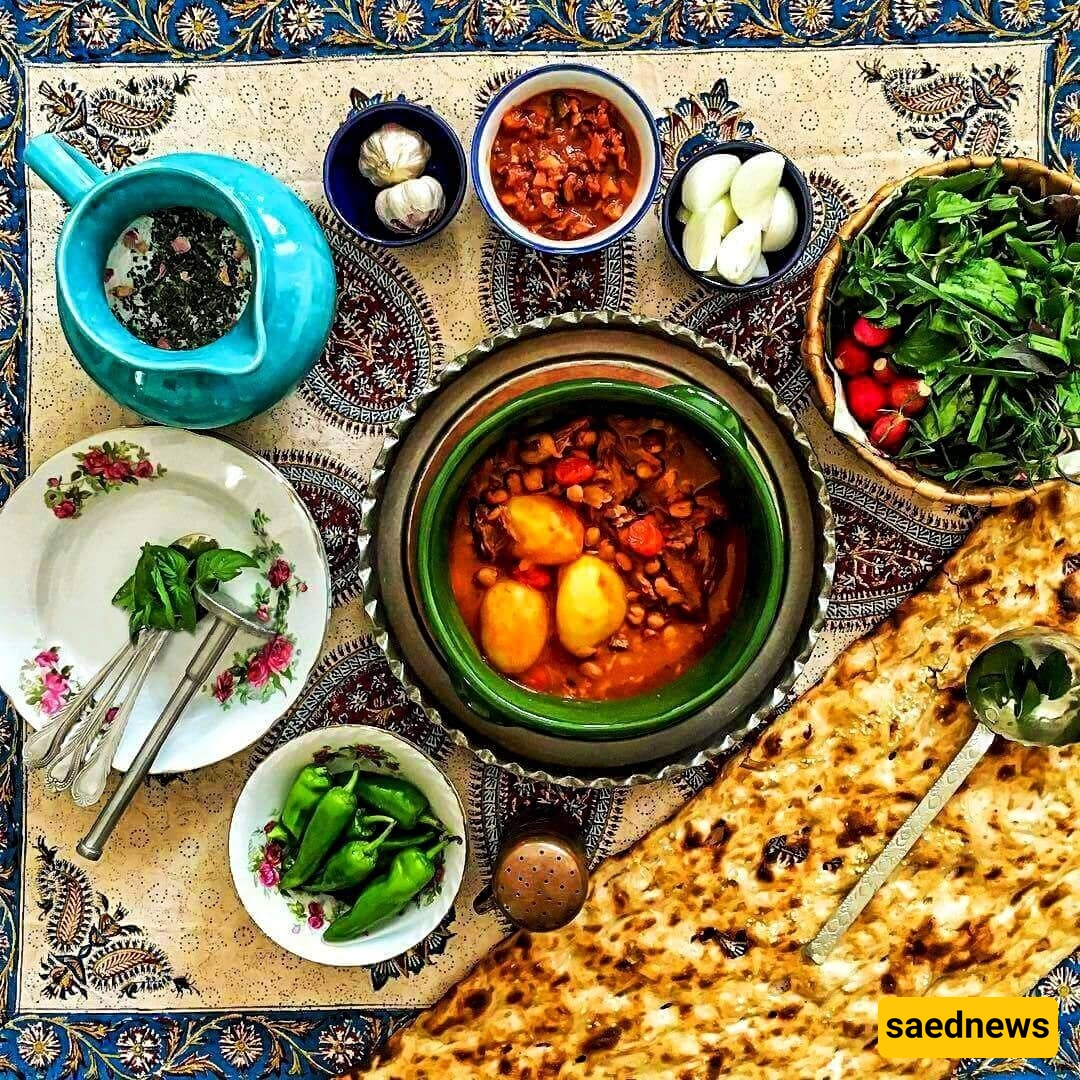
SAEDNEWS: The original two-onion Ābgoosht, a classic coffeehouse dish, can traditionally only be found at noon in select cafés and teahouses. Today, however, we’ll guide you through the preparation of this ancient and authentic Iranian meal, revealing all its secrets so you can recreate it at home and enjoy it to the fullest.
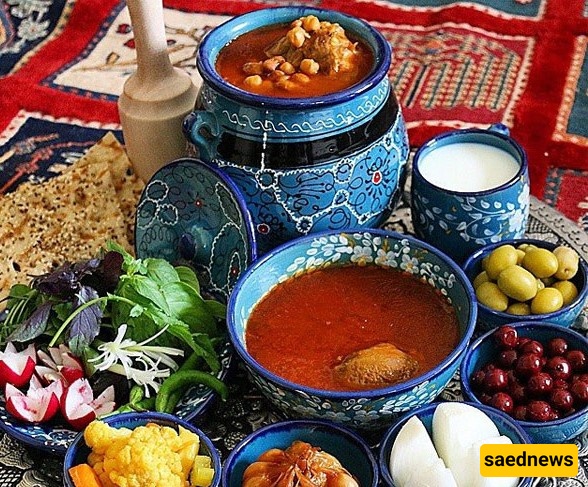
According to the Saed News Cooking Service, Dopiazeh Abgoosht is one of Iran’s traditional and beloved dishes, prepared in various ways with a delightfully rich flavor. Among the different types, Dopiazeh with meat is one of the tastiest and can be easily made with a few simple ingredients, making it an excellent choice for both lunch and dinner.
Abgoosht has been a staple of Iranian cuisine for countless reasons. Interestingly, it originated as a portable meal for nomadic tribes. In the past, when tribes reached their destination, they would have time to prepare abgoosht, while during travel, they typically ate grilled meat. Meat was grilled because nomadic journeys followed strict schedules, and reaching their destination on time was crucial; otherwise, travelers faced countless natural dangers along the way. Therefore, abgoosht was usually prepared the night before for the next day’s meal. Traditionally served at lunch, this is why in teahouses or specialty abgoosht restaurants, it is generally eaten at midday. Today, we’ll guide you through making this authentic Iranian dish at home, so you can enjoy it whenever you like.
700 g lamb with bone
Tail fat (optional, to taste)
80 g white beans
40 g chickpeas
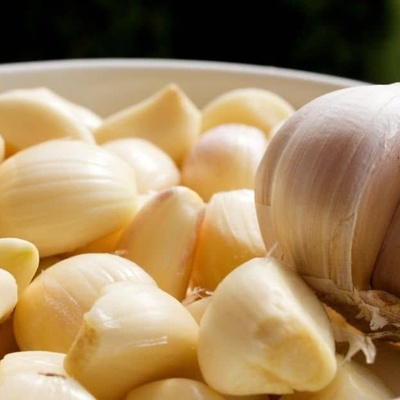
4 garlic cloves
2 medium onions
1 tbsp dried Persian lime flakes or 2 pierced dried limes
3 large tomatoes
3 medium potatoes
1 tsp turmeric
1 tsp black pepper
2 tsp salt
1 tbsp dried savory
Soak the beans and chickpeas: Soak them in water the day before, changing the water every three hours to prevent odor. If you’re short on time, boil them for 5 minutes and let them soak in the same water for 1 hour. This isn’t cooking but simulates an 8–10 hour soak. Afterward, cook them completely.
Rinse thoroughly: Drain the soaked beans and chickpeas in a sieve and rinse with cold water, ensuring they’re clean.
Cook the base: Place the beans, chickpeas, garlic, 1 onion, and tomatoes in a stone pot or saucepan. Bring to a boil. Once boiling, add the tail fat and meat, cover, and simmer on low heat for 2–3 hours until tender.
Prepare the Dopiazeh mixture: Once the meat and fat are cooked, remove the tomatoes, onion, and fat, and place them in a bowl. Chop a raw onion, add it to the bowl along with turmeric, salt, black pepper, dried lime, and savory. Mash everything thoroughly and return it to the pot. Adding raw onion at this stage gives the stew its distinctive flavor, which in cities like Hamadan is called Dopiazeh Abgoosht. Continue simmering on low heat to allow the fat to release fully.
Cook the potatoes: Peel and add them to the pot. After 30–45 minutes, the traditional coffeehouse-style abgoosht is ready to serve.
Use only fresh tomatoes—never tomato paste—to preserve the natural flavor.
Choose ripe, juicy tomatoes for a rich color.
Historically, before tomatoes and potatoes were available, the dish consisted only of water, meat, and onions. Later, tomatoes and potatoes were added. To enjoy the authentic taste of ancient abgoosht, avoid using tomato paste.
This dish combines history, tradition, and rich flavors, making it a true classic of Iranian cuisine.