SAEDNEWS: Jam is made from fruit or fruit juice cooked with sugar. In this article, you’ll learn key tips for making jam.
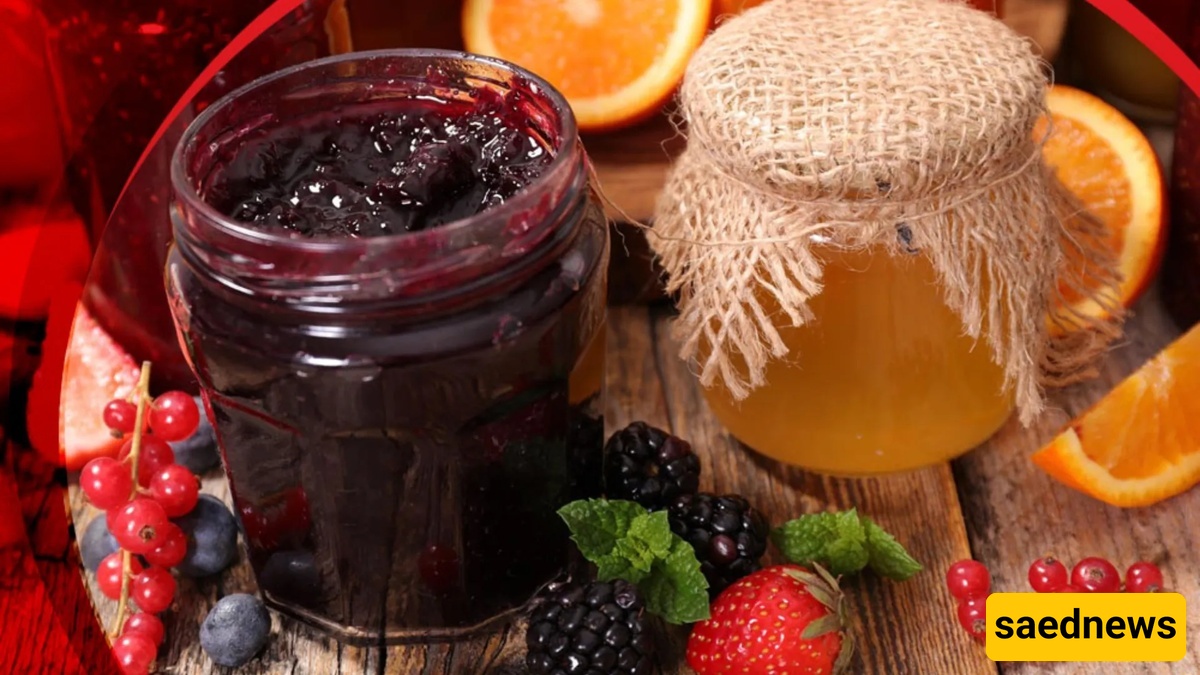
According to the Cooking Service of Saed News, jam is one of the most popular homemade products, created by combining fruit and sugar. If you want to make jam that is flavorful and resistant to crystallization or mold, it’s important to understand the key principles and techniques of jam-making. This comprehensive guide covers the types of jam, preparation and storage methods, and how to address common problems.
Before you start, it’s helpful to know that jams generally fall into three main categories:
1. Chunky Jam
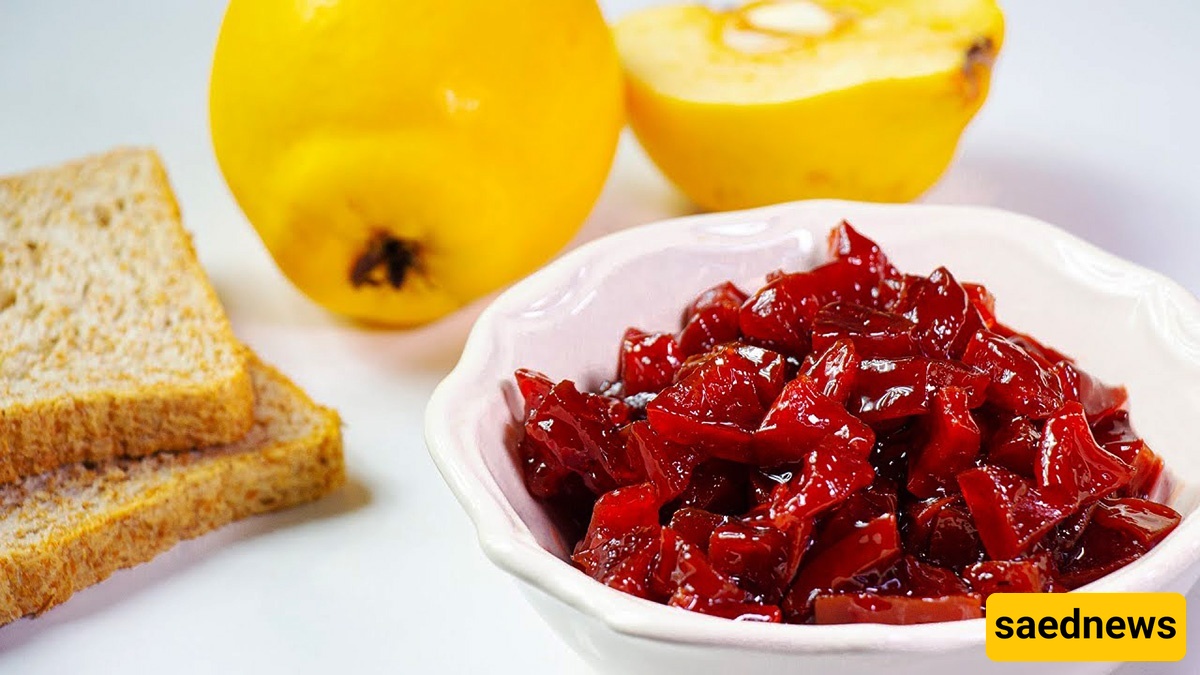
In this type, the fruit is either whole or roughly chopped and suspended in syrup, with a texture that is still recognizable. Examples include quince jam, carrot jam, and orange peel jam.
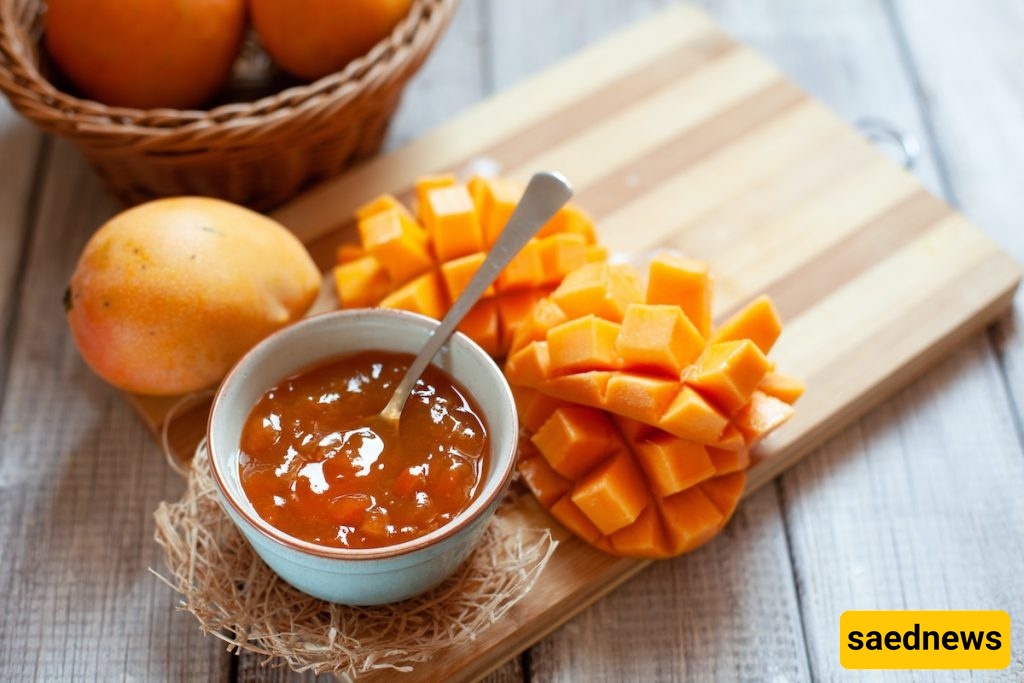
2. Jelly Jam
Jelly jams have a gel-like appearance but are made without gelatin. Fruits such as quince, strawberries, and raspberries are naturally high in pectin, which helps the jam set.
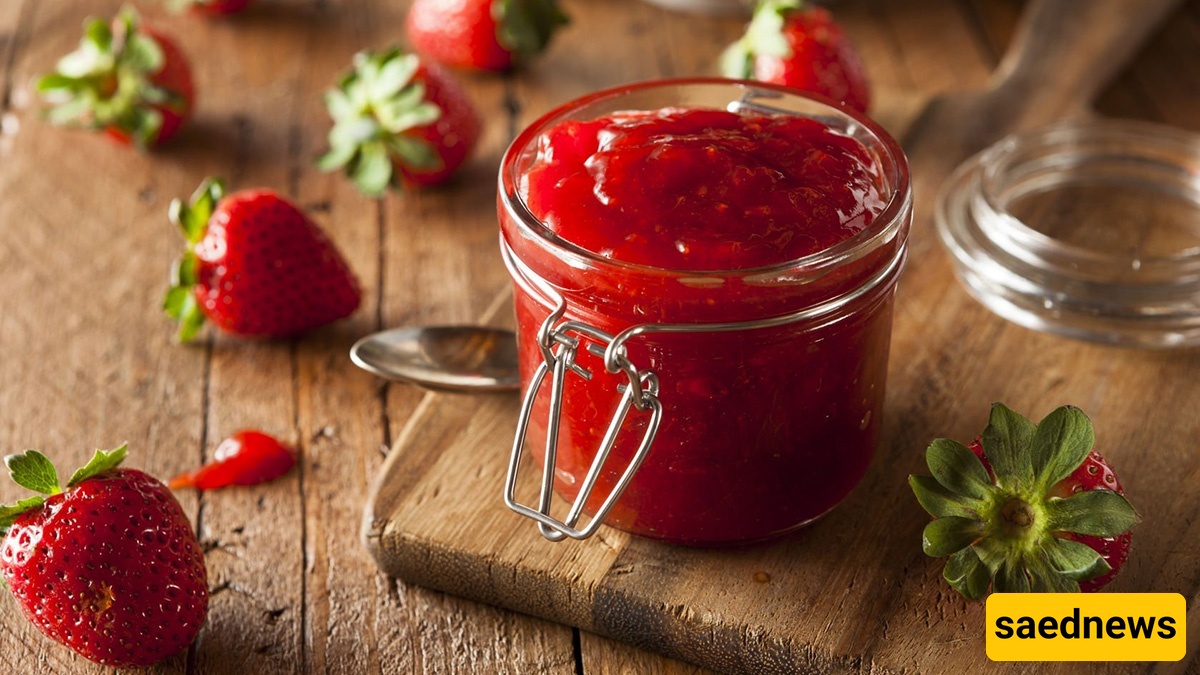
3. Marmalade
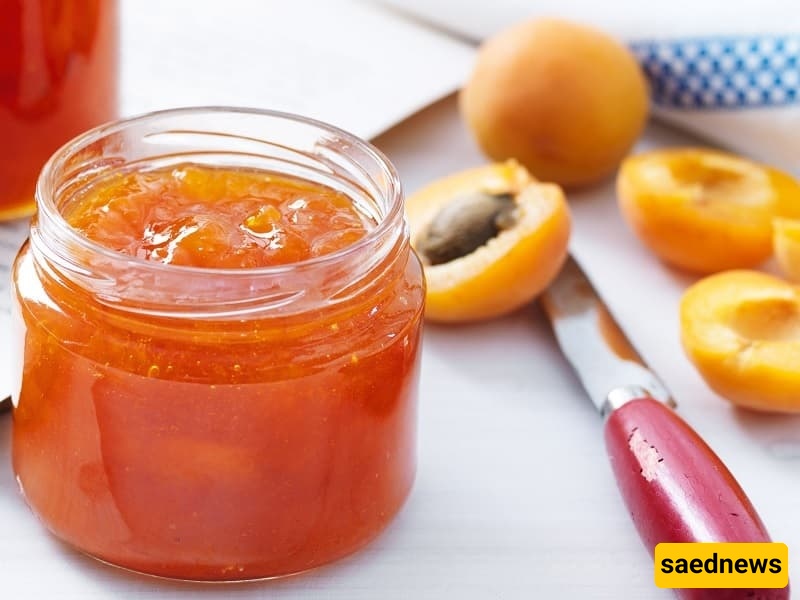
Marmalade is made from pureed fruit and has a uniform texture, with the syrup and fruit fully integrated. Common examples are strawberry, apricot, and apple marmalade.
Choosing the Right Fruit
Select fresh fruit that is free from blemishes. Newly harvested fruit contains more pectin, which helps the jam set properly.
Correct Sugar-to-Fruit Ratio
Generally, 600 grams of sugar are used for every 400 grams of fruit. The ratio may vary depending on whether the fruit is sweet or tart.
Type of Sugar
Fine white sugar is the best choice. It should dissolve in water without darkening the syrup.
Combine water and sugar without heat and let it sit for 10–15 minutes.
Once the sugar is partially dissolved, apply heat.
Stir only during the first few minutes; after that, avoid stirring to prevent crystallization.
Do not cook more than 1–2 kilograms of fruit in a single pot.
Use a wide, shallow pan made of Teflon, enamel, or copper for best results.
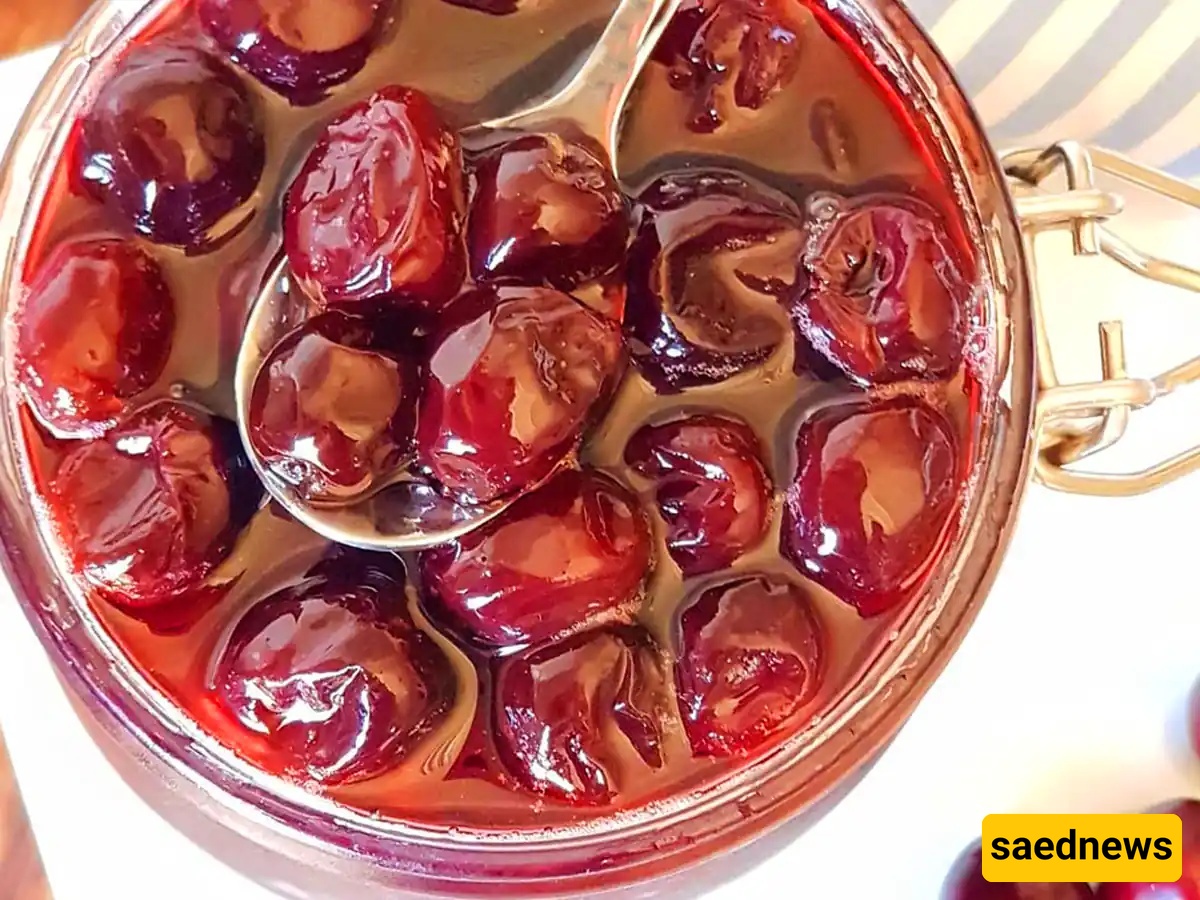
For Juicy Fruits (e.g., strawberries, sour cherries):
After cooking, wait at least 12 hours before checking syrup consistency.
Avoid leaving fruit in the syrup for too long.
Store in a cool place and do not keep for more than six months.
For Firmer Fruits (e.g., apples, carrots, citrus peels):
Cook the fruit first, then add it to the syrup.
Brush the sides of the pan with water to prevent crystallization.
Pour jam directly into the final container; avoid transferring it multiple times.
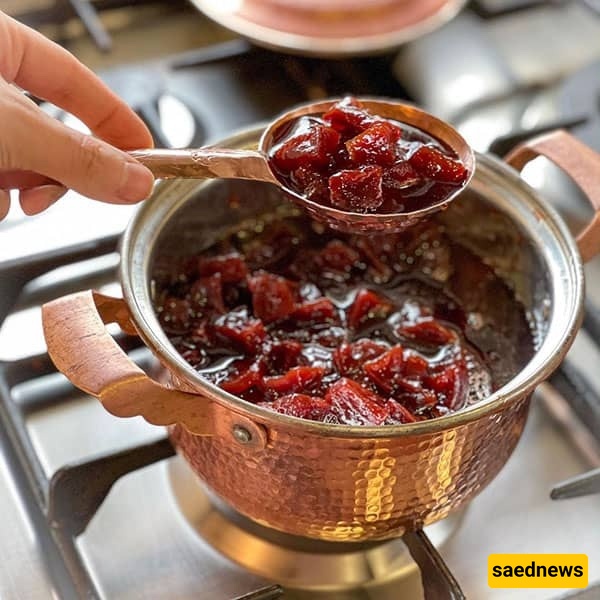
A properly set syrup is thick and moves slowly on a spoon. Quick tests include:
Drop a few drops on a paper towel or flour; if it doesn’t absorb, it’s ready.
Press the cooled syrup; if it wrinkles, the consistency is correct.
Pectin, a natural substance in fresh fruit, gives jam its gel-like texture. Acidic fruit or adding lemon juice prevents crystallization and keeps the syrup from becoming too thick.
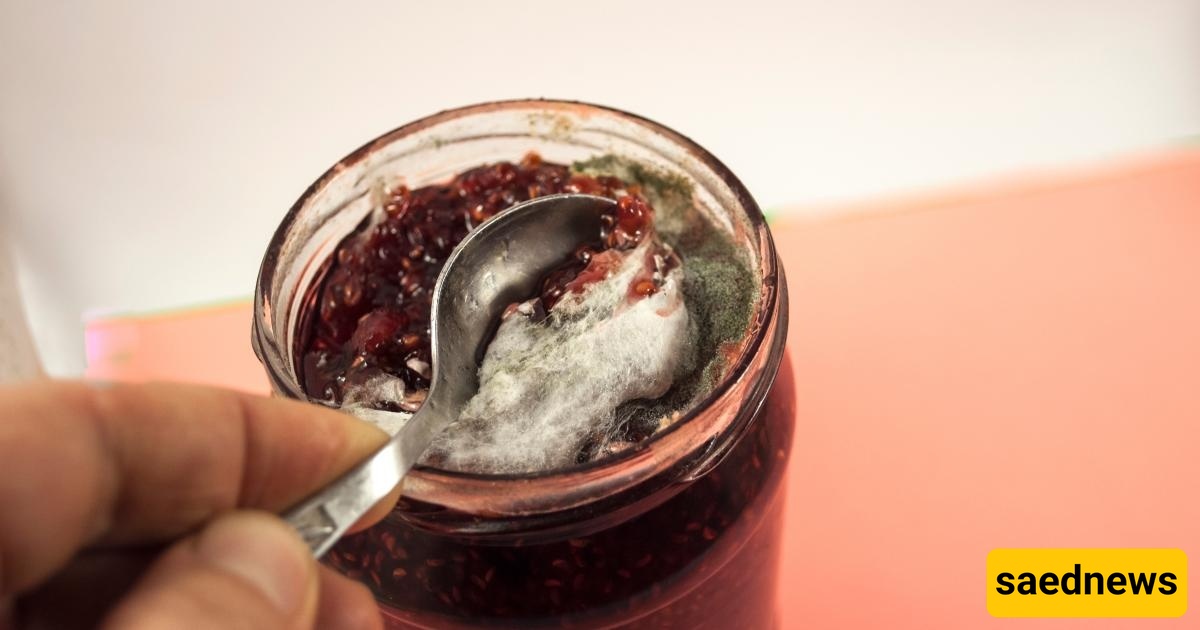
Mold:
Causes: thin syrup, poor absorption by fruit, long storage in warm conditions.
Fix: Remove the fruit, boil the syrup until it thickens, and return the fruit after cooling.
Sugar Crystals:
Causes: stirring after sugar dissolves, transferring between containers, long storage, or improper temperature.
Fix: Remove the fruit, boil the syrup with a little water and lemon juice. If crystals spread to the fruit, melt the jam over steam using a bain-marie.
By following these principles, you can make homemade jams that are both delicious and shelf-stable, without mold or crystallization. Each fruit requires specific techniques, and with experience and adherence to scientific methods, homemade jams can rival commercial products—without preservatives.