Saed News: This 5,000-year-old clay pot, which has recently undergone detailed scientific analysis, proves that Stone Age people also burned their food.
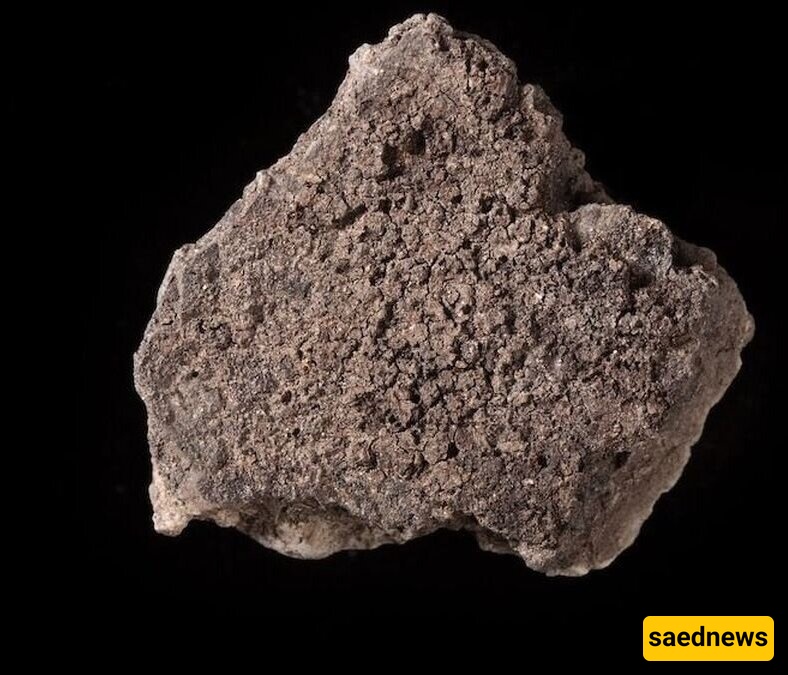
According to SAEDNEWS, the remains of a burnt pot discovered in Germany confirm that food burning dates back at least 5,000 years, and just like today, throwing away a pot was easier than washing it.
Archaeologists discovered this cooking disaster after examining a large number of mixed ceramic fragments at the ancient site of Oldenburg LA 7 (a Neolithic settlement considered one of the oldest villages in Germany).
Lucy Kubiak Martens, the lead author of the study and an archaeology specialist, said: “As soon as we looked inside the pot, we immediately understood what had happened.”
Chemical analysis of residues still attached to the ceramic fragments showed traces of food containing remains of various ancient grains, including wheat and barley. Researchers also found remains of wild plants with starchy seeds.
Kubiak Martens said: “A piece of pottery that once belonged to a simple thick-walled pot contained remains of white goosefoot seeds, related to quinoa and rich in protein. We also found emmer wheat, whose germ has a sweet taste. It seems someone mixed grains with protein-rich seeds and cooked them in water. This mixture was likely intentional rather than accidental.”
While there is evidence that 32,000 years ago people in Italy ground wild barley to possibly make flour, this broken pot may be the world’s first recorded—and unsuccessful—attempt to cook porridge. It is impossible to know whether the owner broke the pot instead of cleaning it, or whether it naturally broke after being left for a long time after burning.
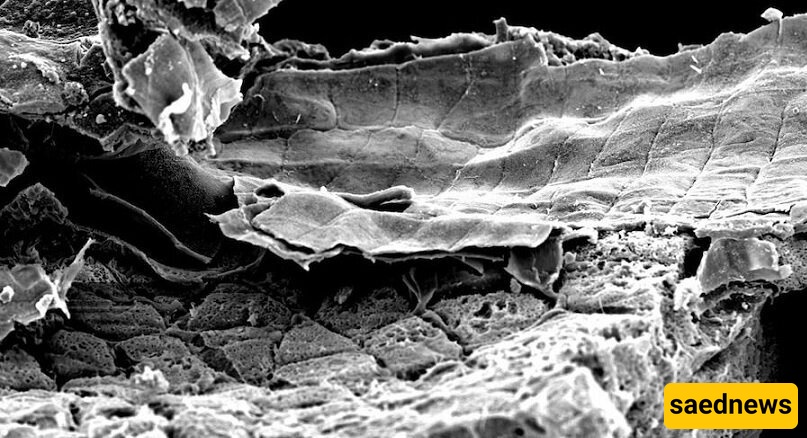
Another separate pottery fragment contained traces of animal fat (most likely milk) that had seeped into the clay. However, it does not appear that any grains were mixed into this liquid, so milk was likely not part of the porridge-making process.
Kubiak Martens said: “Sprouted grains show when they were harvested, which was likely in late summer. At that time, they could not store grains for later use like we do today. They had to use what they harvested immediately.”
Previous soil analyses had already found evidence of ancient grain-based cooking from this period, but this is the first discovered evidence of burnt food inside a ceramic vessel.
“This cooking incident not only represents the final stage of someone’s daily meal preparation but also the last use of this pot. This is not just a burnt pot—it is evidence that helps us understand the daily meals and cooking methods of people thousands of years ago.”