SAEDNEWS: An autoimmune disease occurs when the immune system mistakenly attacks the body’s healthy cells, treating them as foreign and causing damage.
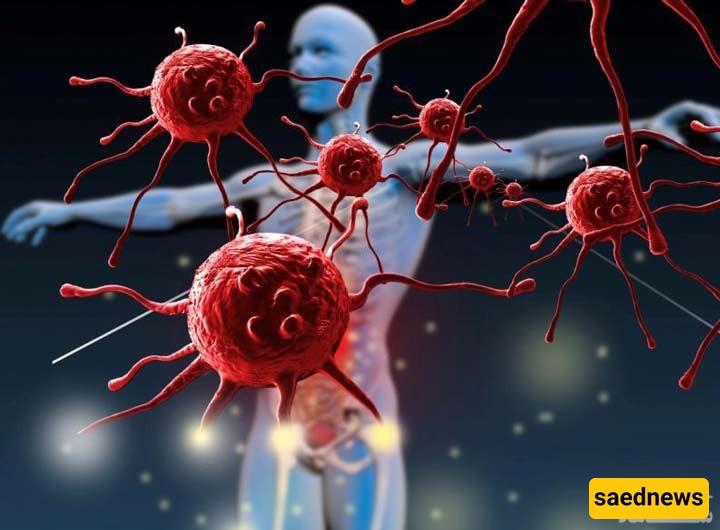
According to Saednews, An autoimmune disease is a disorder in which the body’s immune system mistakenly attacks its own healthy tissues. Normally, the immune system protects the body against harmful microorganisms such as bacteria and viruses. When it detects foreign invaders, it sends defensive cells to fight them.
Under normal conditions, the immune system can distinguish between the body’s own cells and foreign cells. In autoimmune diseases, however, it misidentifies parts of the body (such as joints or skin) as foreign threats. As a result, it produces proteins called autoantibodies that attack healthy cells.

Possible contributing factors include:
Bacterial or viral infections
Medications
Chemical triggers
Environmental factors
However, doctors still do not know the exact cause of autoimmune disorders. Some people are more genetically predisposed than others. These diseases are more common in women than men, especially during reproductive years (ages 14 to 44).
Certain autoimmune diseases are more common in specific populations. For example, African Americans and Hispanic individuals are more likely to develop lupus compared to white populations.
Some autoimmune diseases, such as multiple sclerosis and lupus, may have a hereditary component. However, not all family members necessarily develop the same condition.
Researchers also suspect environmental factors such as infections and exposure to chemicals or solvents. A “Western diet” is another possible factor, although not fully confirmed. Diets high in fat, sugar, and processed foods may contribute to inflammation, potentially disrupting immune function.
Another theory is the “hygiene hypothesis,” which suggests that modern children are exposed to fewer microbes due to vaccines and sanitation. This reduced exposure may lead the immune system to overreact to harmless substances.

Rheumatoid arthritis: inflammation of joints and surrounding tissues
Systemic lupus erythematosus: affects skin, joints, kidneys, brain, and other organs
Celiac disease: immune reaction to gluten causing damage to the small intestine
Pernicious anemia: reduced red blood cells due to poor vitamin B12 absorption
Vitiligo: loss of skin pigment causing white patches
Scleroderma: connective tissue disease affecting skin, blood vessels, muscles, and internal organs
Psoriasis: skin disease causing redness, scaling, and irritation
Inflammatory bowel diseases: chronic inflammation of the digestive tract
Hashimoto’s disease: inflammation of the thyroid gland
Addison’s disease: adrenal hormone deficiency
Graves’ disease: overactive thyroid gland
Reactive arthritis: joint inflammation often involving eyes, urinary tract, and skin
Sjögren’s syndrome: destruction of glands producing tears and saliva, causing dry eyes and mouth
Type 1 diabetes: destruction of insulin-producing cells in the pancreas

Common symptoms include:
Fatigue
Muscle pain
Inflammation and redness
Mild fever
Difficulty concentrating
Numbness or tingling in hands and feet
Hair loss
Skin rashes

Diagnosing autoimmune diseases usually requires more than one test. Doctors evaluate symptoms along with laboratory results.
One of the first tests often used is the antinuclear antibody (ANA) test. A positive result suggests an autoimmune condition, but further testing is needed to identify the specific disease.
Autoantibody tests: identify specific antibodies in the body
Antinuclear antibody (ANA) test: detects antibodies targeting cell nuclei
Complete blood count (CBC): measures red and white blood cells
C-reactive protein (CRP): indicates inflammation in the body
Erythrocyte sedimentation rate (ESR): indirectly measures inflammation

Autoimmune diseases are chronic and currently have no definitive cure. Treatment focuses on controlling symptoms and reducing disease activity, especially during flare-ups.
Lifestyle recommendations include:
Eating a balanced and healthy diet
Regular physical activity
Adequate rest
Vitamin supplements
Stress reduction
Limited sun exposure when necessary
Avoiding known triggers
There are more than 80 types of autoimmune diseases. Their symptoms often overlap, making diagnosis difficult. These conditions are more common in women and may sometimes run in families.
Various tests help doctors identify autoimmune disorders. Treatments aim to suppress overactive immune responses and reduce inflammation. If any symptoms appear, it is important to consult a doctor as early as possible.