SAEDNEWS: Axios: After nuclear talks stall, Trump considers military options against Iran, including operations in the Strait of Hormuz and strikes on new targets, while Tehran insists its proposals are reasonable.
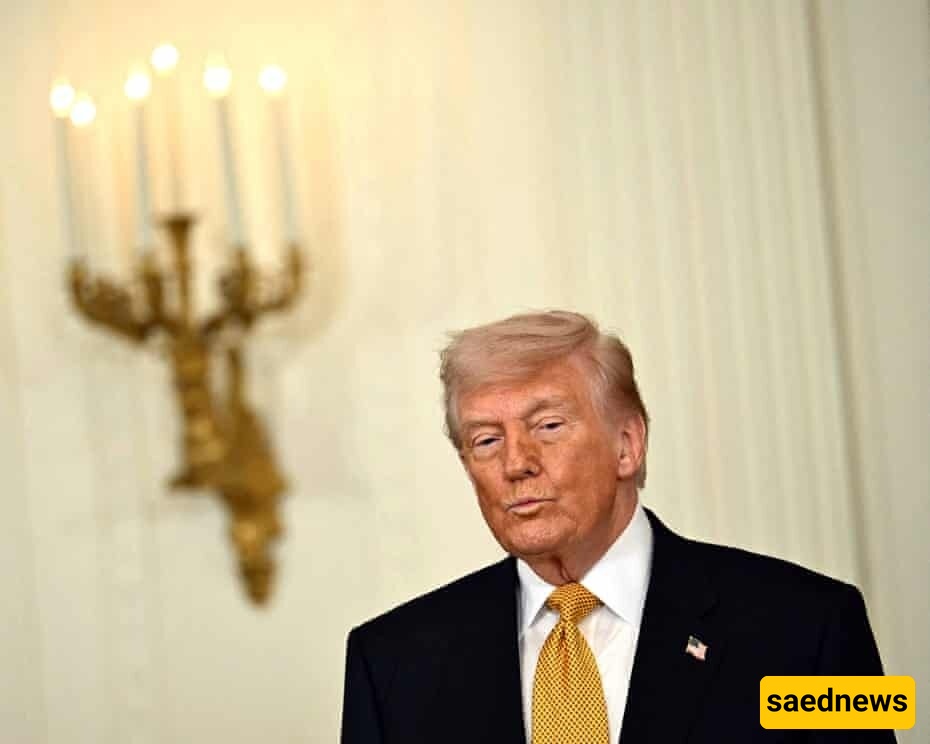
According to the political desk of the Saed News website, Axios has claimed in a report that the U.S. President is set to consider military options against Iran in a security meeting.
The media outlet, which stated that after a deadlock in negotiations with Iran, three U.S. officials said Trump will meet with his national security team on Monday to discuss the path forward in the Iran conflict, including the possibility of resuming military action.
Axios, citing U.S. officials, claimed that Trump still seeks a deal to end the conflict, but Iran’s rejection of many U.S. demands and Tehran’s refusal to make significant concessions regarding its nuclear program have increased the likelihood of military action.
According to U.S. officials, Vice President J.D. Vance, White House special envoy Steve Witkoff, Secretary of State Marco Rubio, Defense Secretary Pete Hegseth, Joint Chiefs Chairman General Dan Caine, CIA Director John Ratcliffe, and other senior officials are expected to attend the meeting.
Two U.S. officials claimed that Trump is inclined toward some form of military action against Iran in order to increase pressure on Tehran and force it to make concessions on its nuclear program.
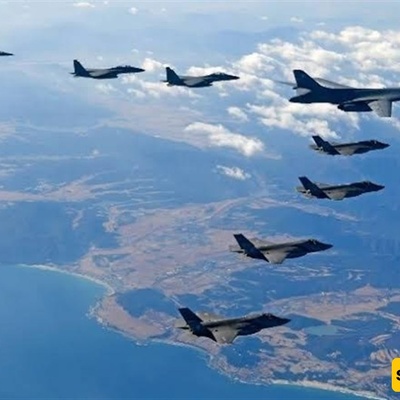
Reporter Barak Ravid further claimed in his report that one of the possible U.S. options against Iran is the resumption of the “Freedom Project” in the Strait of Hormuz, which was suspended last week, and another option involves bombing 25% of targets identified by the U.S. military but not yet attacked.
The report also claims that the Israeli regime wants Trump to order a special forces operation to secure and control Iran’s stockpile of enriched uranium. Israeli officials say Trump is hesitant to issue such an order due to the extremely high risks involved.
Referring to the U.S. President’s upcoming trip to China, Axios added that one of Trump’s considerations in determining the next steps in the war is his visit to China this week.
Trump is scheduled to travel to Beijing on Wednesday and return on Friday. Two U.S. officials said they do not expect Trump to authorize military action against Iran before returning from China.
Axios further claimed that U.S. officials expect Trump to discuss the Iran conflict with Chinese President Xi Jinping.
The media outlet also alleged that China has urged Iran to reach an agreement with the United States to end the conflict and limit its nuclear program, but has so far had no success.
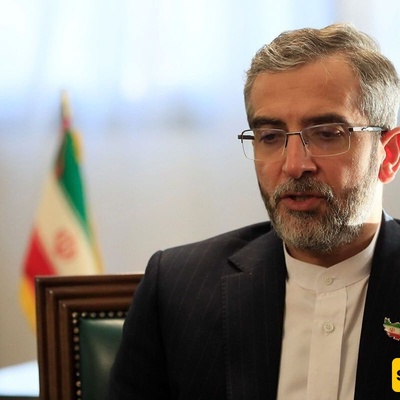
According to ISNA (as cited in the report), Foreign Ministry spokesperson Esmaeil Baghaei said on Monday, May 12, regarding Iran’s proposed negotiation framework: “Everything we proposed in this text consisted of reasonable, responsible demands and generous proposals, not only for Iran’s national interests but also for the benefit, stability, and security of the entire region and the world.”
The Foreign Ministry spokesperson, referring to Trump’s comments about dissatisfaction with Iran’s proposal, said: “Others’ satisfaction is not important to us. Diplomatic processes have their own rules. In diplomacy, the parties involved must decide based on their national interests. The Islamic Republic of Iran has shown seriousness in pursuing its national interests and legitimate rights, and at the same time participates in diplomatic processes with goodwill and a reasonable approach. The other side must prove itself in this regard and demonstrate seriousness.”
He added that Iran’s latest negotiation proposal was presented to the U.S. through ongoing message exchanges between Iran and the United States. This exchange process has been ongoing since the Islamabad meeting. The framework of the revised proposal is still based on Iran’s 10-point plan, which was accepted by the U.S. side as a framework for ceasefire negotiations.