Saed News: Gitanas Nausėda, the President of Lithuania, said that the European country will only deploy military and civilian specialists to an international coalition aimed at “restoring freedom of navigation” in the Strait of Hormuz after a peace agreement is signed between the United States and Iran.
According to SAEDNEWS, citing Shafaqna, he told reporters:
“I do not think our military should participate in this mission amid ongoing conflicts.”
“The idea is that after Iran and the United States reach a [peace] agreement, free navigation will be guaranteed. In fact, this mission should be carried out in a peaceful environment.”
In mid-May, Lithuania’s State Defence Council, chaired by the president, approved the deployment of 40 military and civilian personnel from the Ministry of Defence to an international mission to ensure free passage in the Strait of Hormuz. According to Raimundas Vaikšnoras, Lithuania’s Chief of Defence, the country will send staff officers and mine-clearing specialists.
The plan will now be submitted to the country’s parliament.
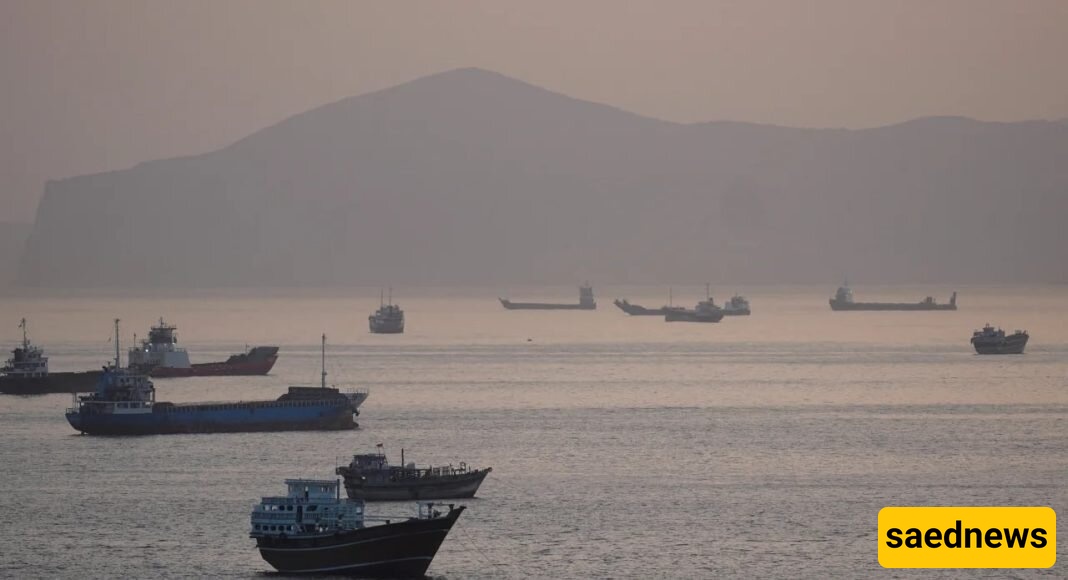
The US-Israeli war against Iran in late February and Tehran’s attacks on the occupied territories and US bases in the region have nearly halted shipping through the strait, creating a crisis that the International Energy Agency called the biggest disruption to global energy supply in history. About 20% of the world’s oil and LNG passes through this strategic waterway.
Global oil prices have risen more than 50% since the start of the war, causing fuel prices to surge and raising concerns about a global economic recession. Fuel prices have increased worldwide, with around 100 countries reporting higher gasoline prices since the conflict began in late February.
Efforts to calm markets have so far been unsuccessful. Market observers say that if the Strait of Hormuz remains closed, prices could rise significantly, even reaching $150 or $200.
Iran and the United States reportedly agreed to a two-week ceasefire and the resumption of talks after 40 days of war, with mediation by Pakistan, based on Iran’s 10-point proposal. A round of negotiations ended without any concrete results, and a second round remains uncertain.
After the failure of talks, US Central Command announced a naval blockade of all inbound and outbound traffic to Iranian ports under orders from the US president.
The IRGC Navy warned that “any wrong move will drag the enemy into deadly whirlpools in the Strait.”
Fox News reported, citing a US intelligence official, that the Strait of Hormuz is fully under IRGC control and is currently effectively closed.