SAEDNEWS: U.S. Energy Secretary Claims Strait of Hormuz Will Reopen by Summer, Without Addressing U.S.–Israeli Actions Against Iran
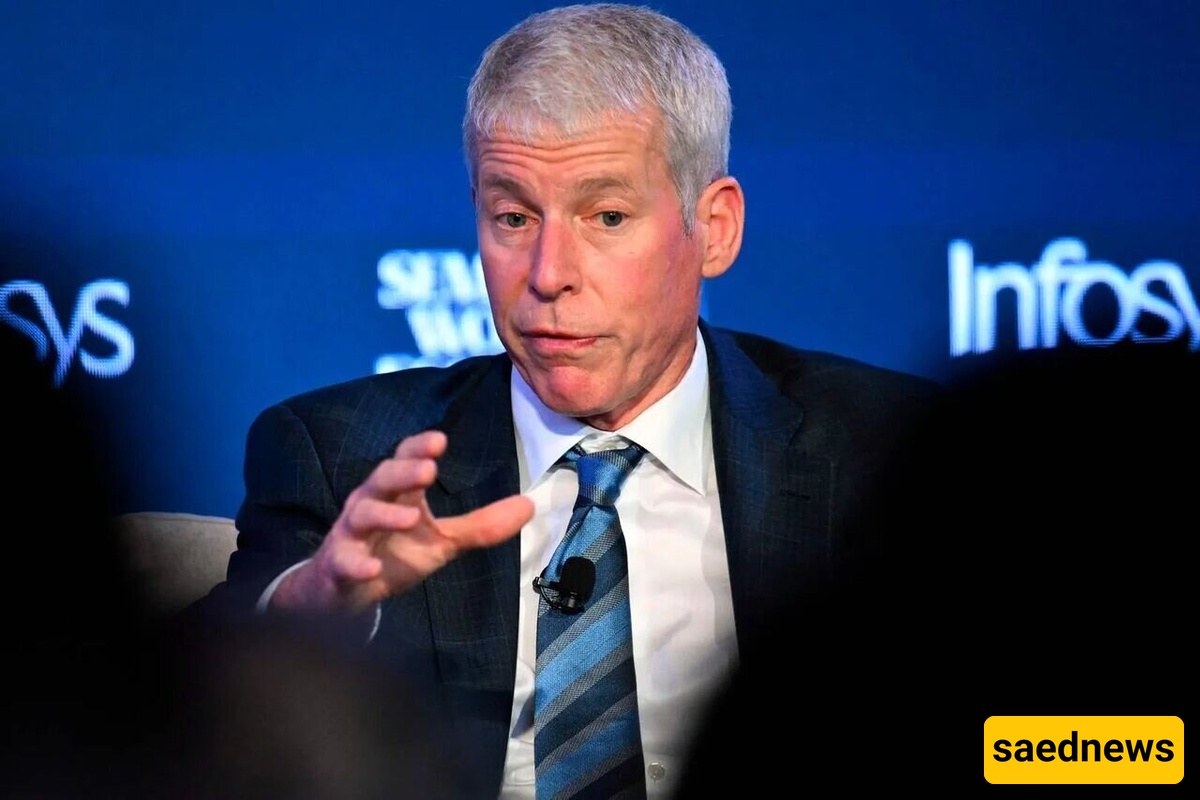
According to the policy news service of Saed News Agency, U.S. Energy Secretary Chris Wright said in an interview with CNBC that the United States “continues to increase its natural gas exports” and, despite losing 10 billion cubic feet per day due to a “temporary disruption” caused by the closure of the Strait of Hormuz, is adding 2.5 billion cubic feet per day to its export capacity.
Wright added that transit through the Strait of Hormuz “will resume as soon as possible, and certainly no later than this summer.”
He also claimed in another statement that, in the most optimistic scenario, a deal could be reached “within the next few days.”
In a contradictory remark, he said: “We have taken the initial steps in this regard, but it is better to reach an agreement and avoid the use of military force.”
Wright had previously said that while the United States is in a “negotiation period,” it avoids predicting oil and gasoline prices.
The war of aggression by the United States and the Israeli regime against Iran has caused a global energy shock, increasing oil prices and fuel costs for consumers worldwide. The conflict disrupted oil exports through the Strait of Hormuz, a vital corridor for about one-fifth of global oil shipments.
In March, this U.S. official expressed optimism that gasoline prices could fall below $3 by summer. Three days before that statement, according to AAA data, the national average gasoline price was nearly $3.60. He later stated in April that prices might not fall below $3 until 2027, which U.S. President Donald Trump called “completely wrong.” AAA data also showed the national average gasoline price reached $4.53 on Friday.
According to IRNA, the “Ramadan war” and joint U.S.–Israeli attacks against Iran began on February 28, 2026, and after 40 days of conflict, U.S. President Donald Trump announced a withdrawal in a statement on Truth Social on April 7, 2026.
Eventually, early Wednesday Tehran time, the parties agreed to a two-week ceasefire mediated by Pakistan to begin negotiations aimed at ending the war. After more than 20 hours of talks between Iran and the United States in Islamabad, Pakistan, no framework agreement was reached due to U.S. demands.