SAEDNEWS: The Times of Israel reported that the latest round of diplomatic talks between the United States and the Islamic Republic of Iran concluded with a gain for Tehran.
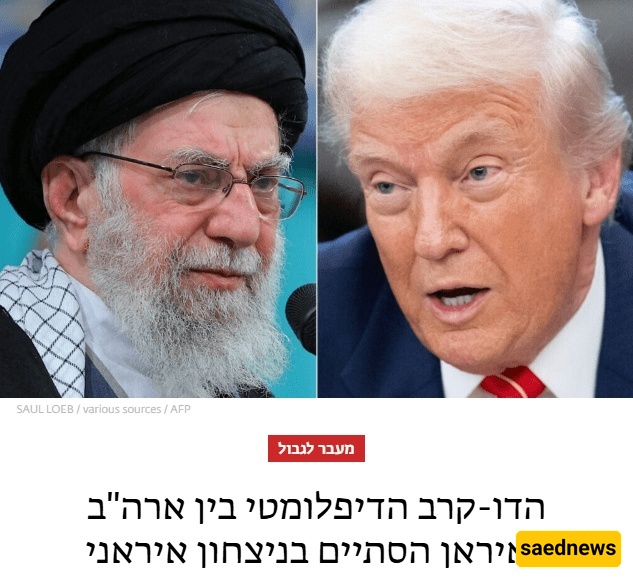
According to the political desk of Saed News, Ksenia Sotlova, former member of the Israeli Knesset and analyst for The Times of Israel, wrote about yesterday’s Iran–U.S. negotiations:
"The diplomatic duel between the United States and Iran ended in the first round with a victory for Iran. Tehran succeeded in limiting the indirect negotiations, mediated by Oman, strictly to nuclear issues and prevented the inclusion of other sensitive matters, such as regional proxy activities and the ballistic missile program. The talks were held in Oman, as Iran requested, following the framework preferred by Tehran."
Sotlova continued: "Before the negotiations began, some Israeli security commentators warned of the possibility of an imminent military strike. This created widespread concern among Israeli settlers; many spent nights in shelters, and reports emerged of some Israelis visiting hospitals due to nervous breakdowns. However, it seems that the Donald Trump administration has, for the time being, decided to wait and give the diplomatic path another chance."
The former Knesset member recalls that since Trump promised 'help is on the way' to protesters online, the U.S. military presence in the Persian Gulf has significantly increased, yet American forces are not prepared for a large-scale military operation.
She adds: "Is the world’s most beautiful fleet—the phrase Trump repeatedly used to describe the U.S. Navy—really sufficient for a comprehensive strike capable of toppling Iran?" Referring to the 1991 Gulf War operation Desert Storm, Sotlova notes that nearly one million soldiers from 35 countries were mobilized to liberate Kuwait, whereas no comparable coalition exists or is likely to form against Iran today.
Sotlova sarcastically remarks that achieving such an objective would require far more than even the “beautiful” aircraft carrier strike group.
In conclusion, she considers two scenarios: "Trump might limit strikes to symbols of power, a few military bases, or some nuclear facilities, but such actions would likely not bring Tehran closer to the ultimate goal of regime change and could even weaken U.S. deterrence against Iran and other regional actors."