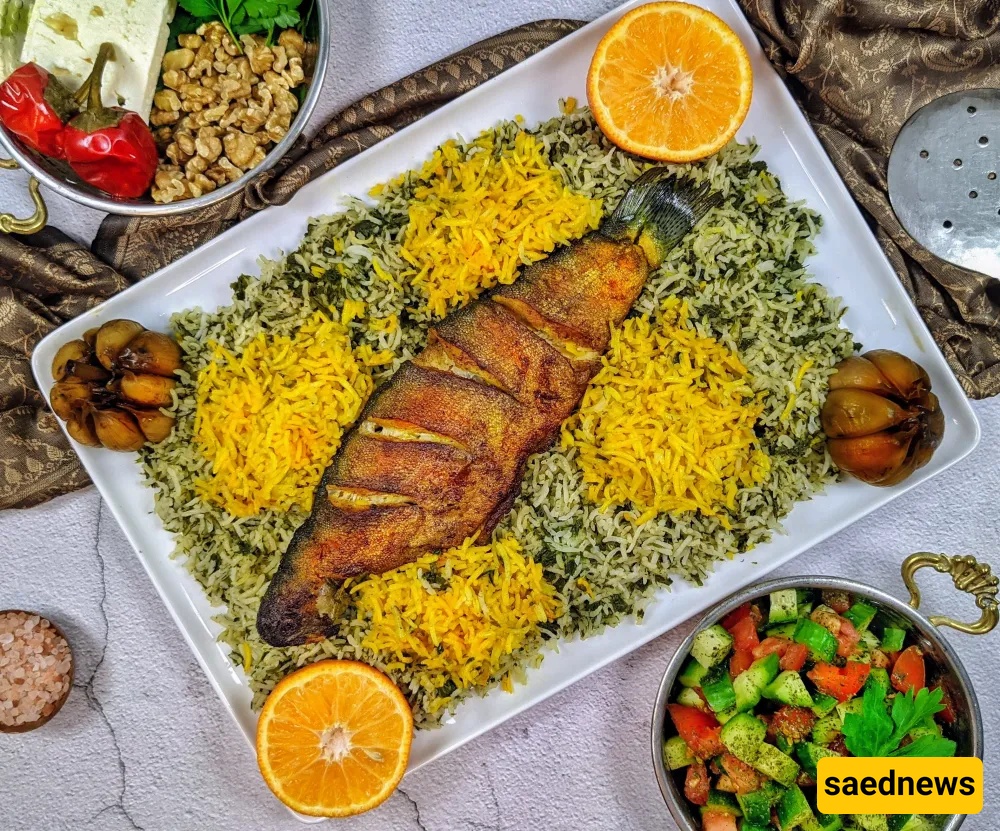
SAEDNEWS: One of the ancient traditions of the New Year’s Eve is cooking Sabzi Polo with fish, a ritual that brings all family members together. It’s a moment to gather around the table and enjoy a delicious and distinctive version of this classic dish, sharing both food and togetherness as the New Year begins.
According to SAEDNEWS, Before the start of the New Year, in the final days of the old year, Iranians busily prepare to welcome Nowruz. House cleaning, growing wheatgrass (sabzeh), preparing the Haft-Seen table, buying new clothes, and other rituals are all part of these age-old traditions.
One of the most common customs on Nowruz Eve is eating sabzi polo (herbed rice) with fish. This tradition is not accidental; it has deep roots in ancient beliefs and cultural symbolism. If you’ve ever wondered why many Iranian families choose sabzi polo or sometimes kuku sabzi (herb frittata) with fish on the first night of the New Year, the explanation lies in history, mythology, and symbolism.
Many people believe that the tradition of eating sabzi polo with fish during Nowruz originates from the story of Prophet Solomon and his ring. According to legend, Solomon possessed a ring that gave him power over humans, jinn, and demons. One day, a demon disguised himself as Solomon, stole the ring, and took his place on the throne. To ensure Solomon could not reclaim it, the demon threw the ring into the sea.
Solomon tried to warn the people, but no one believed him. He then went to the seashore and began fishing. After some time, he caught a fish, cut it open, and found his ring inside. With the ring returned, the truth was revealed, and the demon was eventually removed from power.
Based on this story, people believe that eating fish symbolizes the hope of discovering truth, wisdom, and divine guidance—values closely associated with Nowruz and the rebirth of nature in spring.
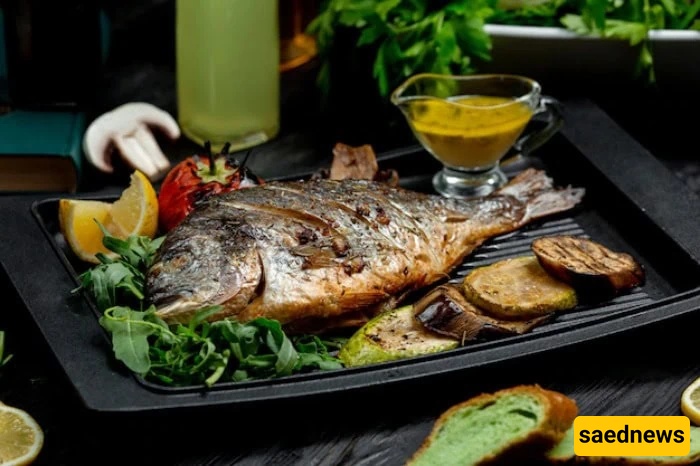
Beyond mythology, sabzi polo with fish also carries symbolic meanings:
Green herbs (sabzi) represent freshness, vitality, renewal, and blessings for the year ahead. Iranians believed that eating green food on Nowruz Eve would bring joy and prosperity throughout the year.
Fish symbolizes life, abundance, wealth, and health. Eating fish at the start of the year was believed to ensure a year filled with sustenance and well-being.
Rice was considered a valuable crop and a symbol of fertility, growth, and abundance. Consuming rice on Nowruz Eve was thought to bring prosperity to fields and livelihoods.
The combination of rice (abundance), herbs (growth and renewal), and fish (life) made sabzi polo with fish an ideal New Year’s meal—one that remains popular among Iranian families around the world.
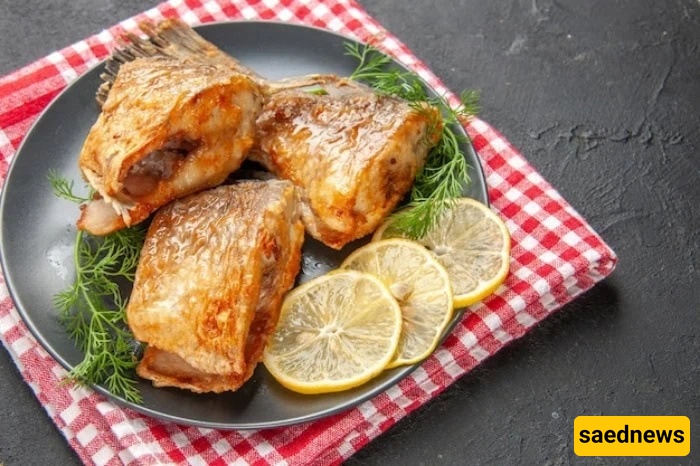
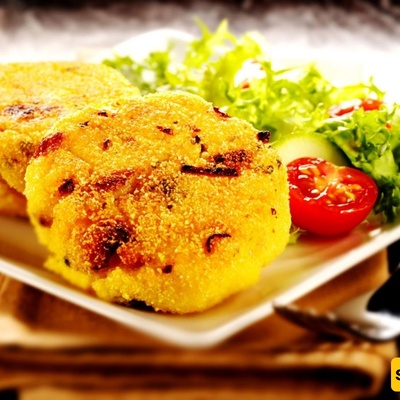
In some regions, instead of sabzi polo, people eat plain rice with kuku sabzi and fish. Historically, in cities where fish was scarce or expensive, people replaced fish with kuku sabzi. It was believed that kuku—especially when made with wild herbs—had properties similar to fish, particularly in boosting mental clarity and vitality.
Kuku sabzi also symbolized alertness and awareness, which was considered important during the busy days of Nowruz, when people moved furniture, cleaned houses, and reorganized their homes.
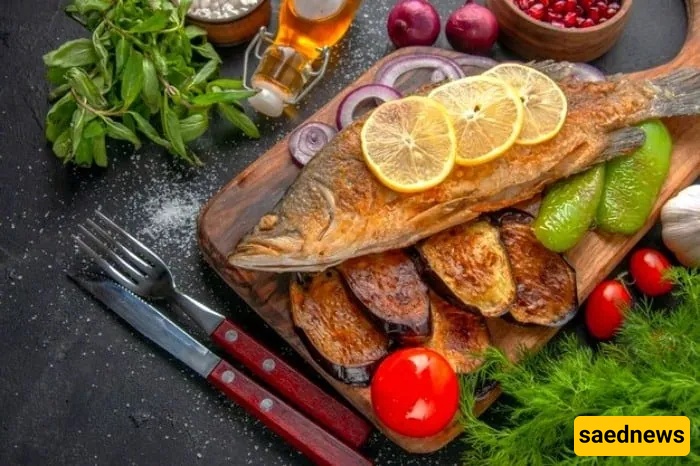
Sabzi polo with fish is not only symbolic but also highly nutritious:
It forms a complete meal, covering three major food groups: grains (rice), vegetables (herbs), and protein (fish).
Fish is rich in protein, omega-3 fatty acids, vitamins, iodine, and minerals.
Rice provides carbohydrates, protein, fiber, and essential minerals.
Herbs contain vitamins, minerals, antioxidants, and plant-based nutrients.
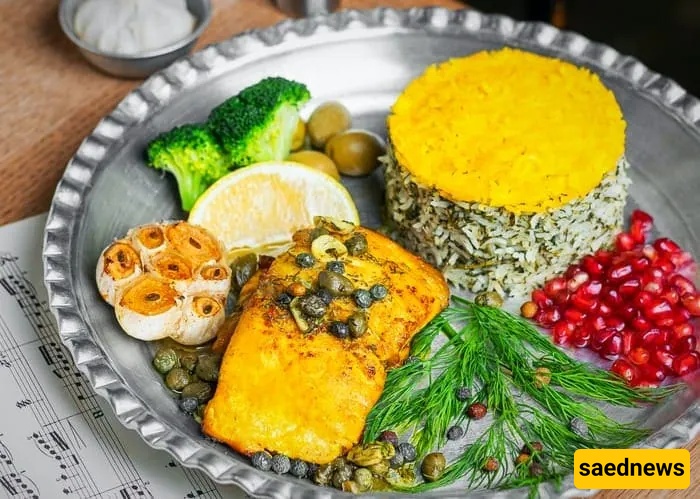
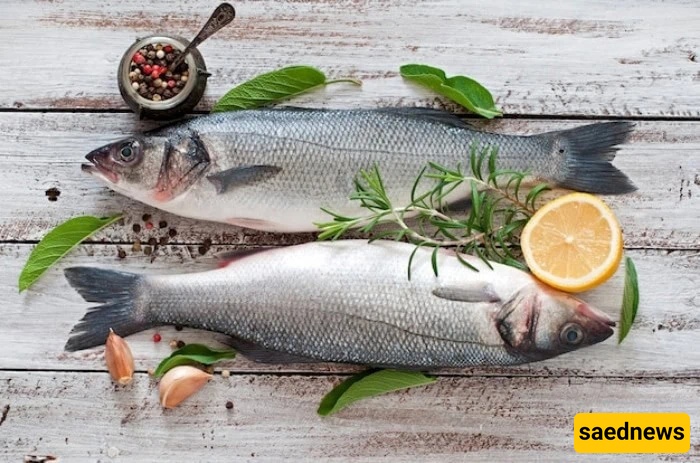
Choose fish rich in omega-3 fatty acids, such as salmon, trout, sardines, or whitefish.
Fresh fish should have clear, shiny eyes, firm flesh that springs back when pressed, red gills, and no unpleasant odor.
Use fresh herbs such as parsley, dill, coriander, chives, and fenugreek. Adding garlic enhances flavor and warmth.
Avoid over-frying herbs, as this reduces their nutritional value.
Brown rice contains more fiber and bran than white rice and can be a healthier option, especially for people with blood sugar concerns.
According to traditional Iranian medicine, fish has a cold temperament. Eating it with cold foods may cause digestive discomfort. To balance this, fish is traditionally paired with warming herbs and spices such as dill, garlic, coriander, cumin, ginger, cinnamon, black pepper, or golpar. Eating a few dates after the meal is also believed to help balance the body.
Drinking water during the meal is discouraged, as it is thought to weaken digestion.
Sabzi polo with fish is more than just a meal—it is a blend of myth, symbolism, nutrition, and centuries-old wisdom, marking a hopeful and prosperous beginning to the New Year. 🌿🐟