SAEDNEWS: China Unveils the World's Largest Ice City Across an Area the Size of 300 Football Fields
![Unveiling the World's Largest Ice City Spanning an Area Equivalent to 300 Football Fields [Photos]](https://en.saednews.com/storage/files/post/29f774bb-07c5-4075-8f31-ef945dd665f9-3NpSMpkl3OAPuPJQ/image.jpg)
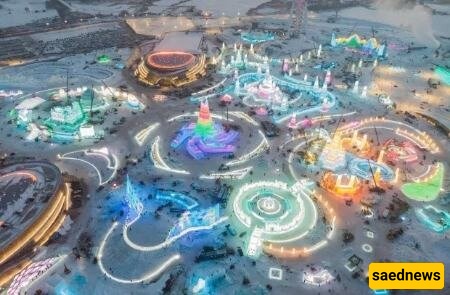
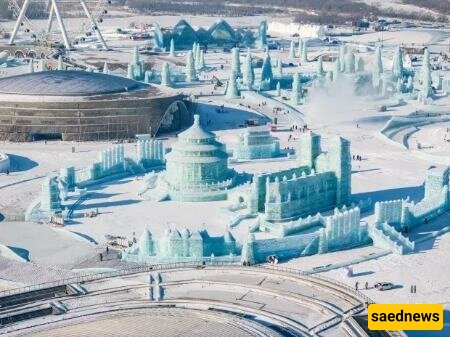
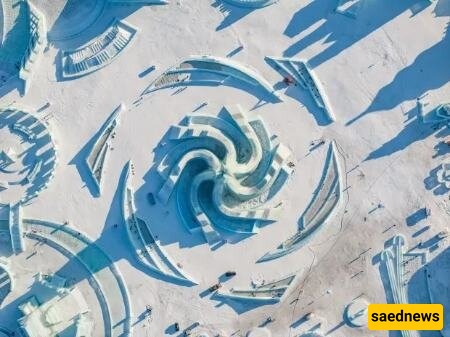
According to SaedNews’ social affairs service, citing Ruzieto, visitors from around the world are flocking to Harbin, China, to witness the world’s largest ice city, filled with colossal icy skyscrapers. This is the Harbin International Ice and Snow Festival, famously known as the “Ice Disneyland.” A haven of joy for families, the city is brimming with intricate and breathtaking ice sculptures.
Although the festival draws 18 million visitors annually to its numerous ice sculptures across Harbin, its two main attractions are Ice and Snow World and Sun Island.
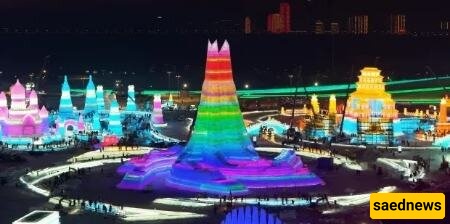
Ice and Snow World stays open late into the night, featuring life-sized, illuminated ice skyscrapers. In 2014, an ice sculptor recreated New York’s Empire State Building, and in 2018, a 33-meter ice tower shaped like a flamenco dancer’s dress was installed.
Across the river, Sun Island is open during the day, showcasing a collection of massive snow sculptures. In 2007, the area exhibited the world’s tallest snow sculpture, a Guinness World Record holder: a 250-meter-long, 9-meter-high snow creature built using over 1,200 cubic meters of snow.
Harbin is also home to ice lantern displays and offers winter sports such as alpine skiing, ice swimming, and ice cycling. Visitors can wander through icy slopes, slide down ice chutes, and enjoy snowball fights to their heart’s content.
This year, a towering snow Ferris wheel was added, giving visitors a bird’s-eye view of this stunning winter wonderland.
The festival has become one of the world’s premier winter celebrations, generating an estimated £3.2 billion annually. Every inch of this icy paradise is meticulously carved from the frozen Songhua River. Chainsaws cut the ice into blocks weighing several hundred kilograms, while ice sculptors use smaller saws, chisels, and ice picks to craft their masterpieces. Many work around the clock to prepare their sculptures in time for the festival.
A wide range of techniques are employed, such as adding ionized water to create glass-like transparency or embedding colorful lights inside sculptures to enchant visitors at night.
The festival began half a century ago in 1963 as part of Harbin’s traditional Ice Lantern Exhibition but quickly grew into the spectacular event it is today. On average, the festival covers more than 609,600 square meters and uses over 270,000 cubic meters of snow and ice.
The festival opened on December 17 with a grand ceremony. While it does not have a fixed end date, the ice usually melts by March.