SAEDNEWS: Traditional Iranian Cuisine: Loved in Iran and Around the World — Even John Cena Is a Fan
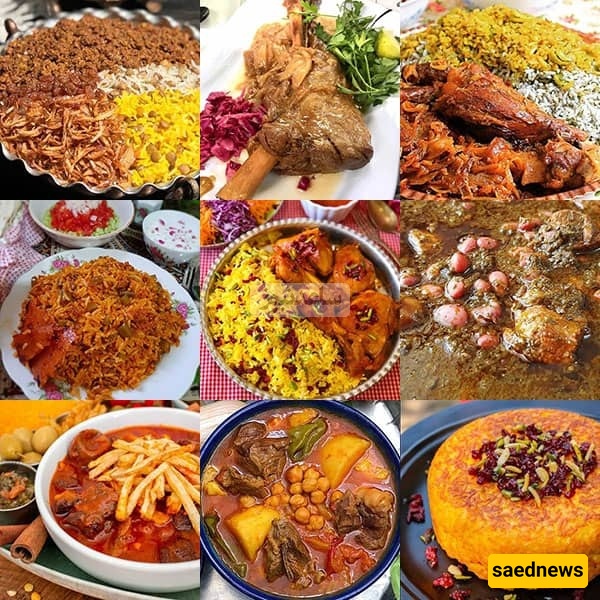
According to the SaedNews Cooking Desk, a key question arises: which foods are truly the most popular and people-friendly in Iran? Many traditional Iranian dishes were created at a time when rice was a rare commodity. With the later spread and availability of rice in the market, combining these traditional foods with rice gave them a new identity and made them even more popular among the public.
That said, there are also dishes that can be enjoyed both with rice and with bread. Below, we take a look at four of the most beloved traditional Iranian foods.
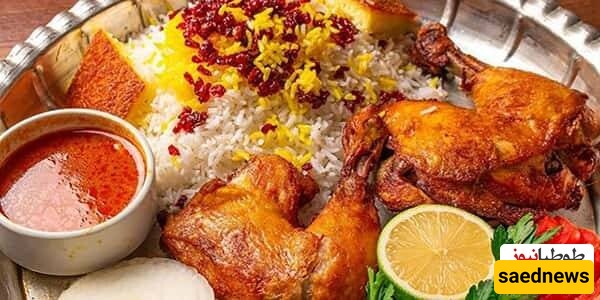
Zereshk Polo ba Morgh is one of the most popular ceremonial Iranian dishes. It is commonly served at important occasions such as weddings, memorial services, family gatherings, and formal events. Thanks to its relatively quick and easy preparation, along with its delicious flavor, this dish has become a favorite among Iranians.
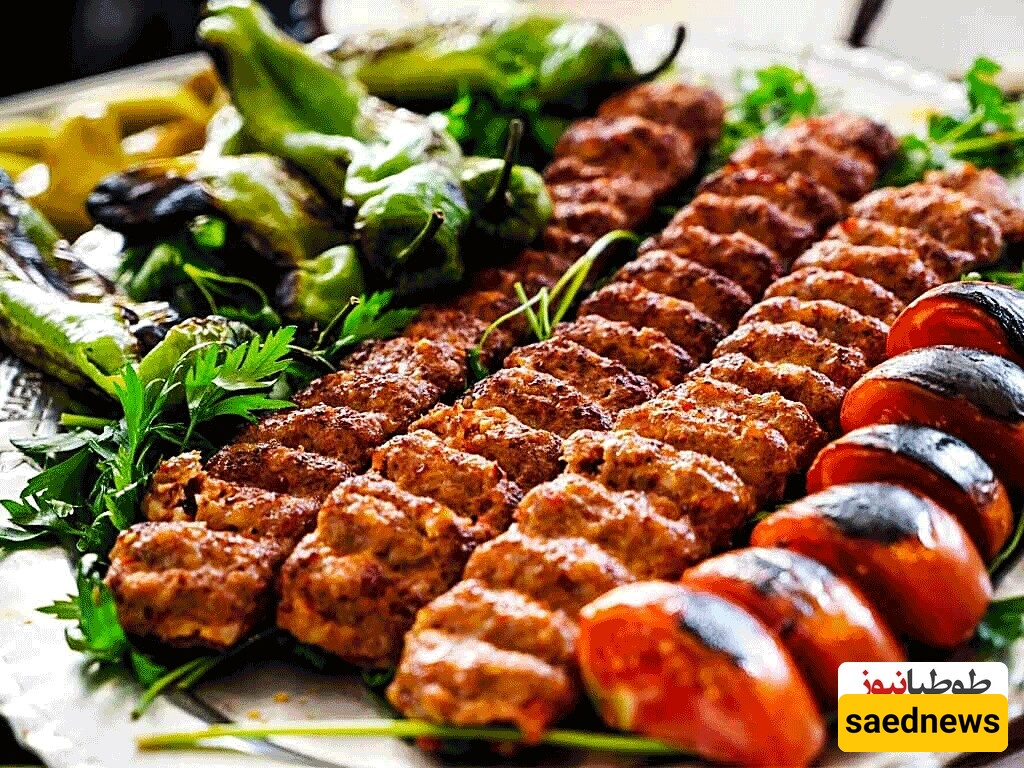
Although kebab is considered one of the more expensive Iranian dishes, this has not diminished its popularity. It is hard to find someone who does not enjoy kebab. Despite its high status and widespread appeal, it ranks third—meaning there are dishes even more popular than this classic favorite.
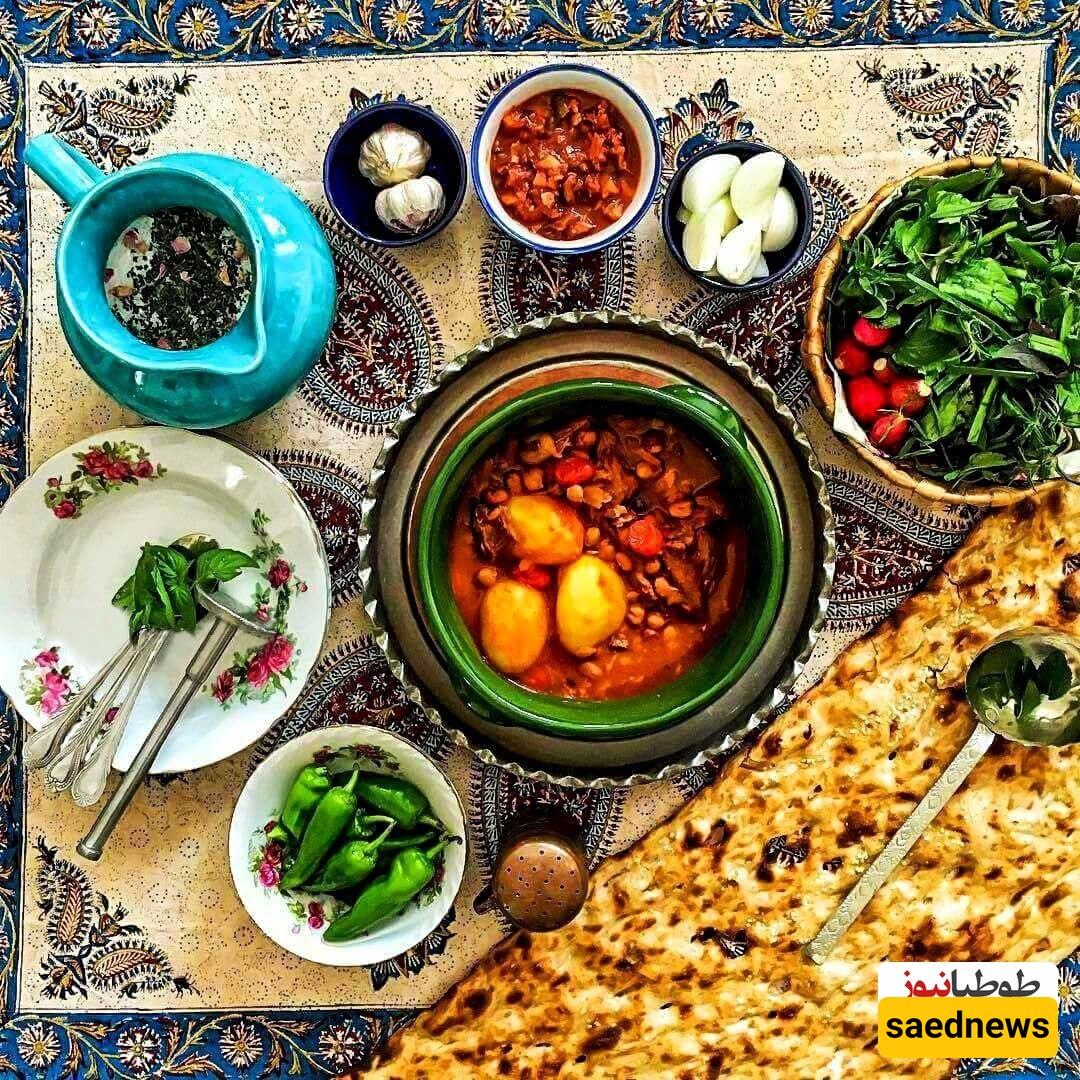
When the name abgoosht is mentioned, images of soaked bread (tilit) and mashed meat and chickpeas instantly come to mind. This delicious and traditional dish has long been loved by the people. No matter how much fast food and foreign cuisines are promoted, abgoosht remains unforgettable. The secret to its rich flavor lies in slow, heartfelt cooking.
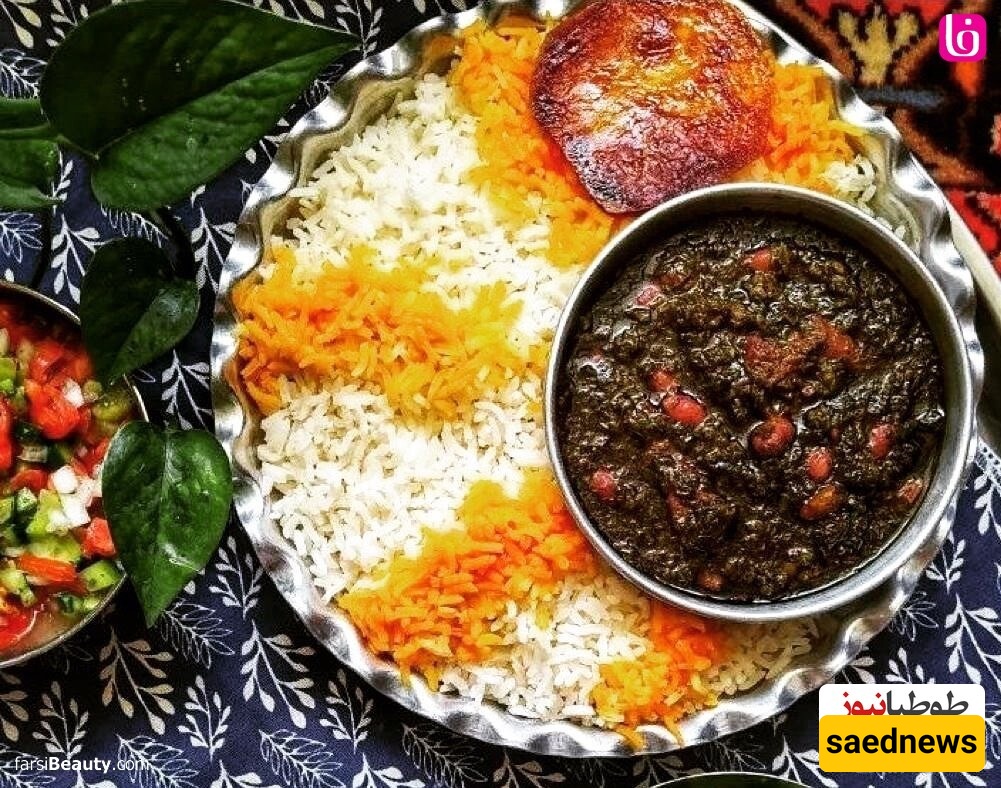
We now arrive at one of the most popular and flavorful Iranian dishes of all time: Ghormeh Sabzi. This traditional herb stew has been beloved since the Safavid era and remains so today. It is even famous internationally—and perhaps most surprisingly, it has inspired creative variations, including a Ghormeh Sabzi pizza!
A true symbol of Iranian cuisine, these dishes reflect history, culture, and the enduring tastes of the people.