SAEDNEWS: Shiraz Medical University Researchers Engineer AI-Guided Tissue That Can Repair Moderate Heart Damage Without Surgery
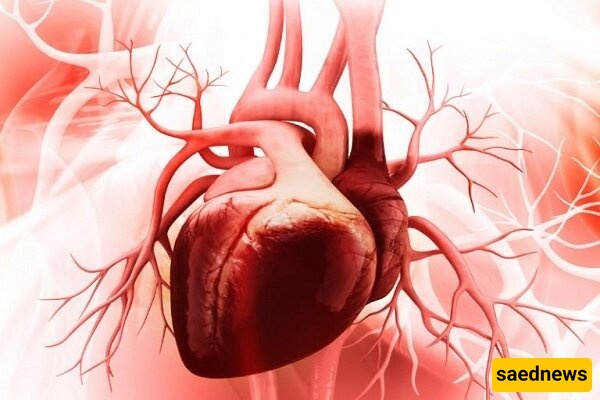
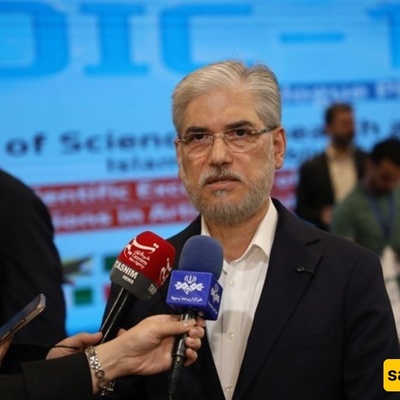
According to the Science and Technology Service of Saed News, citing the Ministry of Health, Mobin Haqdel, a faculty member of the Tissue Engineering Department at Shiraz University of Medical Sciences, stated that a research team from MIT and Massachusetts General Hospital announced in November 2025 that they had successfully developed a new version of AI-engineered heart tissue capable of repairing small to moderate damage without the need for surgery.
Haqdel explained that the tissue combines smart hydrogels, induced pluripotent stem cells (iPSCs), and AI algorithms. Artificial intelligence analyzes the mechanical stress patterns of the tissue and designs the hydrogel’s microstructure so that cells are guided to the injury site and proliferate in a targeted manner.
“Initial tests on an Organ-on-Chip model have shown that this tissue can repair over 70 percent of damage within 48 hours, without disrupting the tissue’s contractile function,” Haqdel said. He added that the tissue does not trigger a severe inflammatory response and has shown stable performance in small animal models.
The Shiraz University of Medical Sciences faculty member emphasized that this technology could be used in the future to treat heart failure, cardiomyopathy, and damage resulting from heart attacks—particularly in cases where surgery or organ transplantation carries high risks.
Haqdel added that the research team’s next steps include long-term safety assessments and producing three-dimensional, large-scale tissue constructs for clinical trials. This achievement marks a milestone in the design of engineered tissues and the integration of AI into regenerative medicine.